
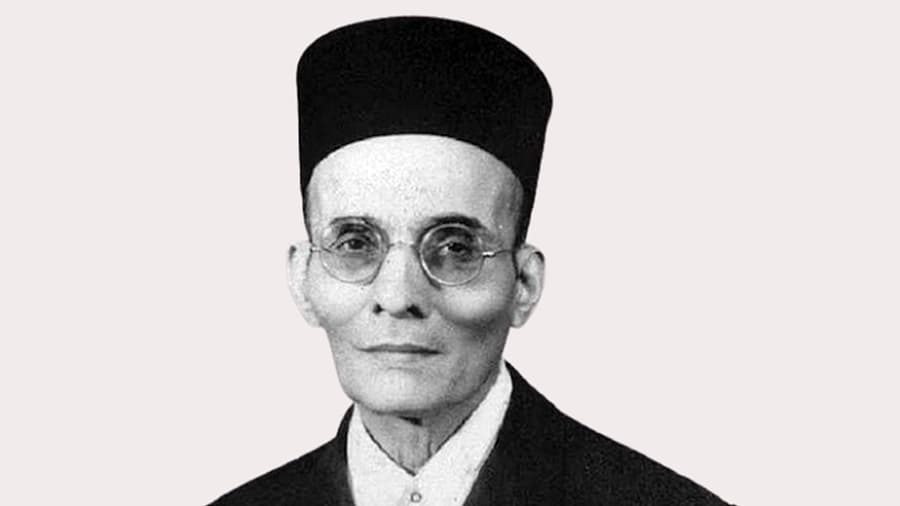
Satyaki Savarkar v. Rahul Gandhi: Defamation Cross-Examination In Pune Court
Summary
- Satyaki Savarkar has filed a criminal defamation case against Rahul Gandhi in a Pune court.
- The case alleges Gandhi falsely depicted Vinayak Savarkar as a Muslim hater and mob lyncher in a 2023 London speech.
- Gandhi reportedly claimed Savarkar wrote about assaulting a Muslim man and finding it pleasurable.
- Satyaki Savarkar, currently under cross-examination, denies these claims, stating his great-uncle sought Muslim progress.
- The trial focuses on Gandhi's alleged comments regarding Vinayak Savarkar's historical writings and views on Muslims.
Allegations of Historical Misrepresentation
Lawyers and compliance officers are closely monitoring these proceedings, as the judgment could set precedents for how public statements about historical figures are legally evaluated.
The Pune court is currently hearing a high-profile criminal defamation case, Satyaki Savarkar v. Rahul Gandhi, centered on statements made by the prominent opposition leader. Satyaki Savarkar, the grandnephew of Hindutva ideologue Vinayak Damodar Savarkar, has initiated legal proceedings against Rahul Gandhi, alleging that Gandhi falsely portrayed his great-uncle. According to Satyaki Savarkar's complaint, Gandhi depicted Vinayak Savarkar as an "extreme hater of Muslims" and a "mob lyncher" during a speech delivered in London in 2023.
The core of the defamation claim stems from Gandhi's alleged assertion that Vinayak Savarkar had documented an incident in his writings where he and several companions assaulted a Muslim man, finding the act "pleasurable." Satyaki Savarkar vehemently disputes this characterization, stating that his great-uncle never harbored animosity towards Muslims. On the contrary, Satyaki maintains that Vinayak Savarkar's writings actively explored avenues for the advancement and welfare of the Muslim community. This legal challenge underscores a significant dispute over the historical interpretation of a key figure in Indian political thought.
Courtroom Proceedings and Cross-Examination
The ongoing trial in the Pune court has seen Satyaki Savarkar take the stand as a key witness for the prosecution. During his testimony, he has been subjected to cross-examination by Rahul Gandhi's legal counsel, advocate Milind D Pawar. A crucial moment in the proceedings involved Pawar pressing Satyaki Savarkar to precisely recount the allegedly defamatory remarks made by Gandhi.
In response to the cross-examination, Satyaki Savarkar reiterated Gandhi's statement, detailing the accusation that Savarkar had written a book describing himself and associates beating a Muslim man and deriving enjoyment from the act. Satyaki firmly rejected this narrative, asserting that such a portrayal was entirely inaccurate. He emphasized that Vinayak Savarkar's historical record and writings do not support the image of him as someone who hated Muslims or participated in mob violence, but rather as someone who sought their progress. The cross-examination defamation case highlights the evidentiary challenges in litigating claims based on historical interpretation.
Implications for Political Discourse and Historical Narratives
The Satyaki Savarkar v. Rahul Gandhi case carries substantial weight beyond the immediate parties involved, offering a live example of the complexities inherent in criminal defamation India proceedings. The outcome could significantly influence the boundaries of political commentary, particularly when it delves into the historical actions and beliefs of prominent figures. This trial brings into sharp focus the tension between freedom of speech and the protection of reputation, especially concerning deceased historical personalities whose legacies are often subject to varied interpretations.
Lawyers and compliance officers are closely monitoring these proceedings, as the judgment could set precedents for how public statements about historical figures are legally evaluated. The case provides insights into the evidentiary challenges and legal strategies employed when litigating defamation claims stemming from public discourse on historical events and individuals. The dispute over Vinayak Savarkar Muslim views and the alleged Rahul Gandhi Savarkar comments in the Pune court defamation trial underscores the ongoing relevance of historical narratives in contemporary Indian politics and legal battles.
Practical Implications
Lawyers and compliance officers should monitor the proceedings of this high-profile criminal defamation case, as its outcome could influence the legal boundaries of political commentary and historical interpretation in India. This case provides a live example of the complexities involved in litigating defamation claims stemming from public statements about historical figures, offering insights into evidentiary challenges and legal strategy.
Source
How does this affect you?
Get an AI analysis of this article grounded in your jurisdictions, practice areas, and any policy documents you've uploaded to Wansom.
Finish Reading the Full Story and the Expert Analysis.
Wansom is AI and can make mistakes.