
Bengaluru Court: Kiran N v Siddaramaiah Defamation Dismissal Upheld
Summary
- A Bengaluru court upheld the dismissal of a defamation complaint against former Karnataka Chief Minister Siddaramaiah.
- The complaint, filed by RSS volunteer Kiran N, concerned Siddaramaiah's remarks about the RSS and Bajrang Dal made in the Karnataka Legislative Assembly on March 17, 2025.
- Siddaramaiah had stated that "most of those committing crimes are from RSS and Bajrang Dal" during a debate on law and order.
- Kiran N alleged that the remarks hurt his sentiments and were unrelated to legislative functions, invoking Section 299 of the Bharatiya Nyaya Sanhita (BNS), 2023.
- The initial dismissal by the XLII Additional Chief Metropolitan Magistrate on September 17, 2025, was affirmed by Additional City Civil and Sessions Judge Shivaprasad KB on August 29.
What Happened
The upholding of the defamation complaint dismissal in the case of Kiran N v Siddaramaiah carries significant implications for political discourse and legal precedents in India.
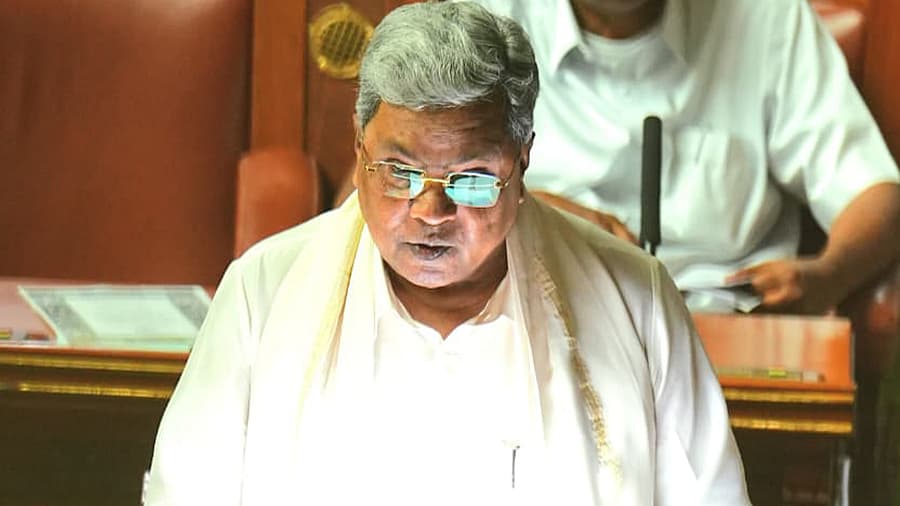
A Bengaluru court recently affirmed the dismissal of a criminal revision petition, thereby upholding the rejection of a defamation complaint lodged against Congress leader and former Karnataka Chief Minister Siddaramaiah. The complaint stemmed from remarks Siddaramaiah made concerning the Rashtriya Swayamsevak Sangh (RSS) and Bajrang Dal within the Karnataka Legislative Assembly. This significant decision, rendered by Additional City Civil and Sessions Judge Shivaprasad KB on August 29, concludes a phase of legal challenge initiated by an individual named Kiran N.
Kiran N, an advocate practicing in Bengaluru who identifies as a volunteer for the RSS, had filed a private complaint alleging defamation. His grievance centered on statements made by Siddaramaiah during a legislative debate on law and order on March 17, 2025. During this session, Siddaramaiah reportedly asserted that "most of those committing crimes are from RSS and Bajrang Dal," a comment that became the focal point of the legal dispute.
The initial complaint by Kiran N was previously dismissed by the XLII Additional Chief Metropolitan Magistrate in Bengaluru on September 17, 2025. Dissatisfied with this outcome, Kiran N subsequently filed a criminal revision petition, seeking to challenge the correctness of the Magistrate's order. The recent ruling by Judge Shivaprasad KB effectively endorsed the earlier dismissal, reinforcing the initial judicial finding in the case of Kiran N v Siddaramaiah.
The Legal Challenge and Allegations
The core of Kiran N's legal challenge rested on two primary contentions. Firstly, he argued that Siddaramaiah's remarks had personally offended his sentiments as a dedicated member of the RSS. Secondly, Kiran N asserted that the controversial statement bore no legitimate connection to the official legislative functions or duties of the State government, implying it was an extraneous and unwarranted comment.
In his private complaint, Kiran N had specifically alleged the commission of offenses under Section 299 of the Bharatiya Nyaya Sanhita (BNS), 2023. This particular section addresses deliberate and malicious acts intended to outrage religious feelings, highlighting the gravity with which the complainant viewed Siddaramaiah's public statements. The advocate approached a Special Court with these allegations, seeking legal recourse against the former Chief Minister.
Despite these arguments and the invocation of Section 299 BNS, the XLII Additional Chief Metropolitan Magistrate in Bengaluru had initially found insufficient grounds to proceed, leading to the dismissal of the private complaint. The subsequent criminal revision petition, which aimed to overturn this initial decision, was also ultimately rejected, solidifying the earlier judicial stance against the defamation complaint.
Why It Matters
The upholding of the defamation complaint dismissal in the case of Kiran N v Siddaramaiah carries significant implications for political discourse and legal precedents in India. This ruling from a Bengaluru court underscores a potential judicial inclination towards a high threshold for defamation complaints, particularly when they pertain to statements made by public figures within the confines of a legislative assembly. The decision could be interpreted as reinforcing the scope of protection afforded to speech made during official legislative proceedings.
This outcome provides a crucial reference point for understanding the boundaries of free speech for elected representatives and the challenges faced by individuals seeking to pursue defamation claims against them for remarks made in such contexts. The dismissal of the complaint, which targeted Siddaramaiah's Bajrang Dal remarks and comments on the RSS, suggests that courts may consider the specific environment and context of such statements when evaluating their defamatory nature.
Ultimately, this development contributes to the evolving jurisprudence surrounding defamation complaint dismissal in India, especially concerning statements made by politicians. It highlights the complexities involved in balancing individual sentiments against the broader principles of legislative immunity and freedom of expression within democratic institutions.
Practical Implications
This ruling provides a precedent for the dismissal of defamation complaints against public figures for remarks made within the Legislative Assembly, indicating potential protections or high thresholds for such claims. Lawyers should consider this when advising on the viability of defamation suits against politicians for statements made in official legislative capacities.
Source
How does this affect you?
Get an AI analysis of this article grounded in your jurisdictions, practice areas, and any policy documents you've uploaded to Wansom.
Finish Reading the Full Story and the Expert Analysis.
Wansom is AI and can make mistakes.