
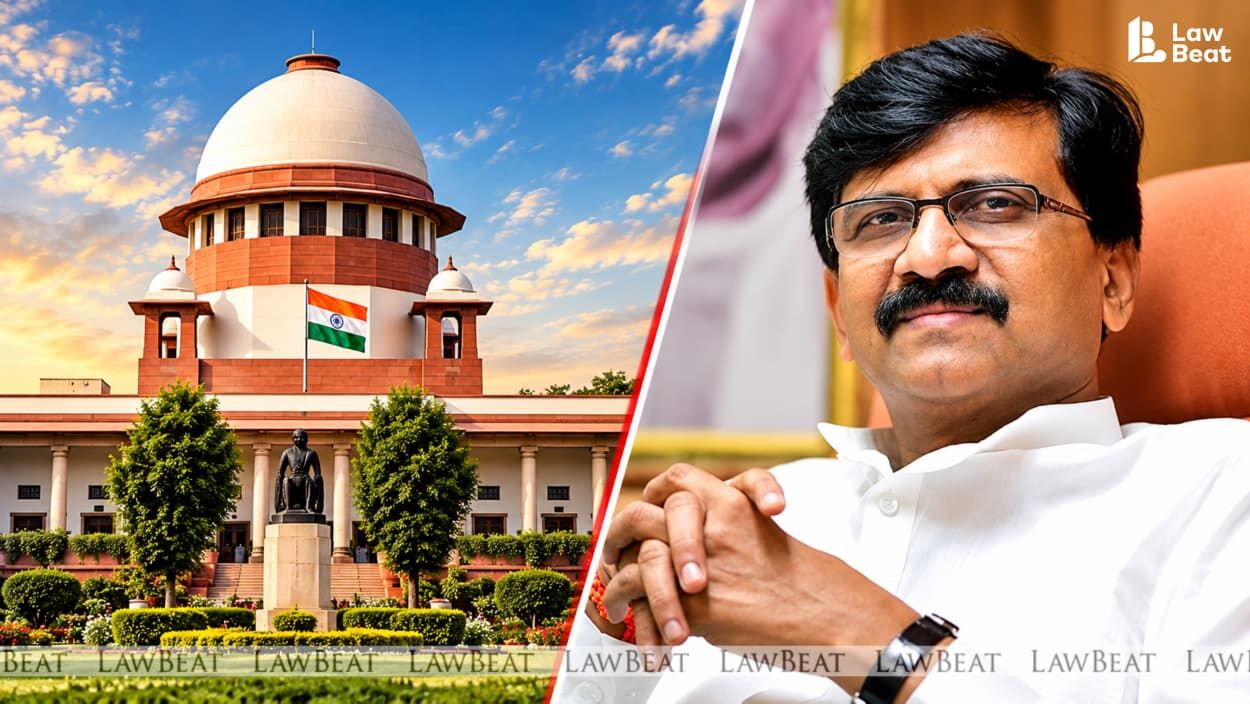
Sanjay Raut Apology: Supreme Court Contempt Proceedings May Close
Summary
- Shiv Sena (UBT) MP Sanjay Raut has issued an unconditional apology to the Supreme Court for his remarks against the judiciary and Chief Justice of India Surya Kant.
- Raut's apology, submitted via affidavit, seeks the closure of criminal contempt proceedings initiated by the Supreme Court Bar Association (SCBA).
- The SCBA's petition alleged Raut made false statements suggesting judges attended political events and refused to meet Opposition leaders.
- The controversy arose after CJI Surya Kant declined to meet an Opposition delegation regarding electoral roll issues.
- The Supreme Court had previously ordered Raut to appear personally on November 17 in connection with the contempt case.
Apology Tendered in Contempt Case
This case highlights the stringent standards applied to public discourse regarding the Indian judiciary, particularly when emanating from public figures.
Sanjay Raut, a Rajya Sabha Member of Parliament representing the Shiv Sena (UBT), has submitted an unconditional and unqualified apology to the Supreme Court of India. This formal apology, presented through an affidavit, addresses remarks he made concerning the Indian judiciary and Chief Justice of India Surya Kant. Raut's primary objective in tendering this apology is to secure the closure of the criminal contempt proceedings initiated against him.
In his affidavit, Raut affirmed that his apology was offered "with utmost sincerity and genuine remorse," explicitly stating it was "without any reservation, justification or qualification." He articulated his profound respect for the Supreme Court and the broader judicial institution, recognizing the judiciary's crucial constitutional role in upholding the rule of law, safeguarding constitutional values, and protecting citizens' rights. Raut also acknowledged the vital importance of preserving the Court's dignity, independence, and authority, expressing regret that his previous statements led to the current legal action.
Genesis of the Contempt Proceedings
The contempt proceedings against MP Sanjay Raut originated from a petition filed by the Supreme Court Bar Association (SCBA). The SCBA alleged that Raut had made several disparaging public statements, including claims that judges attended political events organized by the Bharatiya Janata Party (BJP) and dinners hosted by chief ministers, while simultaneously refusing to meet with leaders of the Opposition. Furthermore, the SCBA pointed to Raut's references to photographs that purportedly depicted judges engaging in badminton with political figures in London.
These statements, according to the SCBA, were factually incorrect and deliberately aimed at undermining the Supreme Court's authority and public standing. The controversy itself was sparked after Chief Justice of India Surya Kant declined a request for a meeting with an Opposition delegation, which included prominent leaders like Rahul Gandhi and Mallikarjun Kharge. The delegation had sought to discuss issues related to the Special Intensive Revision (SIR) of electoral rolls, and the Chief Justice's refusal subsequently preceded Raut's critical remarks.
Judicial Directives and Raut's Plea
Prior to Raut's apology, the Supreme Court had issued a directive on October 28, mandating his personal appearance before the bench at 2 pm on November 17. This order was in response to the criminal contempt petition lodged by the SCBA regarding his comments against the Chief Justice of India and the judiciary. Notably, in a related development, journalist Nikhil Wagle was granted permission to appear virtually after he removed his social media post and conveyed his remorse for its content.
With his comprehensive apology now on record, Raut is appealing to the Court to accept his unconditional and unqualified expression of regret. He has requested that the show cause notice, which was issued to him on October 16, be discharged and that all proposed criminal contempt proceedings against him be brought to a definitive close. Raut has also committed to exercising greater care, circumspection, and restraint in his future public statements concerning the judiciary, recognizing the significant responsibility that accompanies such pronouncements.
Upholding Judicial Dignity
Sanjay Raut's affidavit underscores his recognition of the paramount importance of maintaining public confidence in the judicial institution. He explicitly stated that he had no intention of showing disrespect to the Court or undermining its dignity, independence, or authority. His reflection on the remarks attributed to him led him to acknowledge that public statements concerning the judiciary demand "the utmost responsibility, circumspection and restraint."
This case highlights the stringent standards applied to public discourse regarding the Indian judiciary, particularly when emanating from public figures. The requirement for an unconditional apology and a commitment to future circumspection demonstrates the judiciary's resolve to protect its integrity and the public's trust. The proceedings serve as a reminder that while freedom of speech is a fundamental right, it is balanced by the necessity to preserve the sanctity and authority of judicial institutions in India.
Practical Implications
This case highlights the strict standards for public statements concerning the Indian judiciary, particularly for public figures. Lawyers should advise clients on the severe consequences of perceived disrespect towards the judiciary and the importance of circumspection, noting that a timely, unconditional apology can be a critical mitigating factor in contempt proceedings.
Source
How does this affect you?
Get an AI analysis of this article grounded in your jurisdictions, practice areas, and any policy documents you've uploaded to Wansom.
Finish Reading the Full Story and the Expert Analysis.
Wansom is AI and can make mistakes.