
Samuel Mbemba: Barreau Kinshasa-Gombe to Admit Universités Privées
Summary
- Samuel Mbemba, the Minister of Human Rights, urged the Kinshasa-Gombe Bar to accept law graduates from private universities.
- This proposal applies specifically to private institutions that are officially accredited or recognized in the Democratic Republic of Congo.
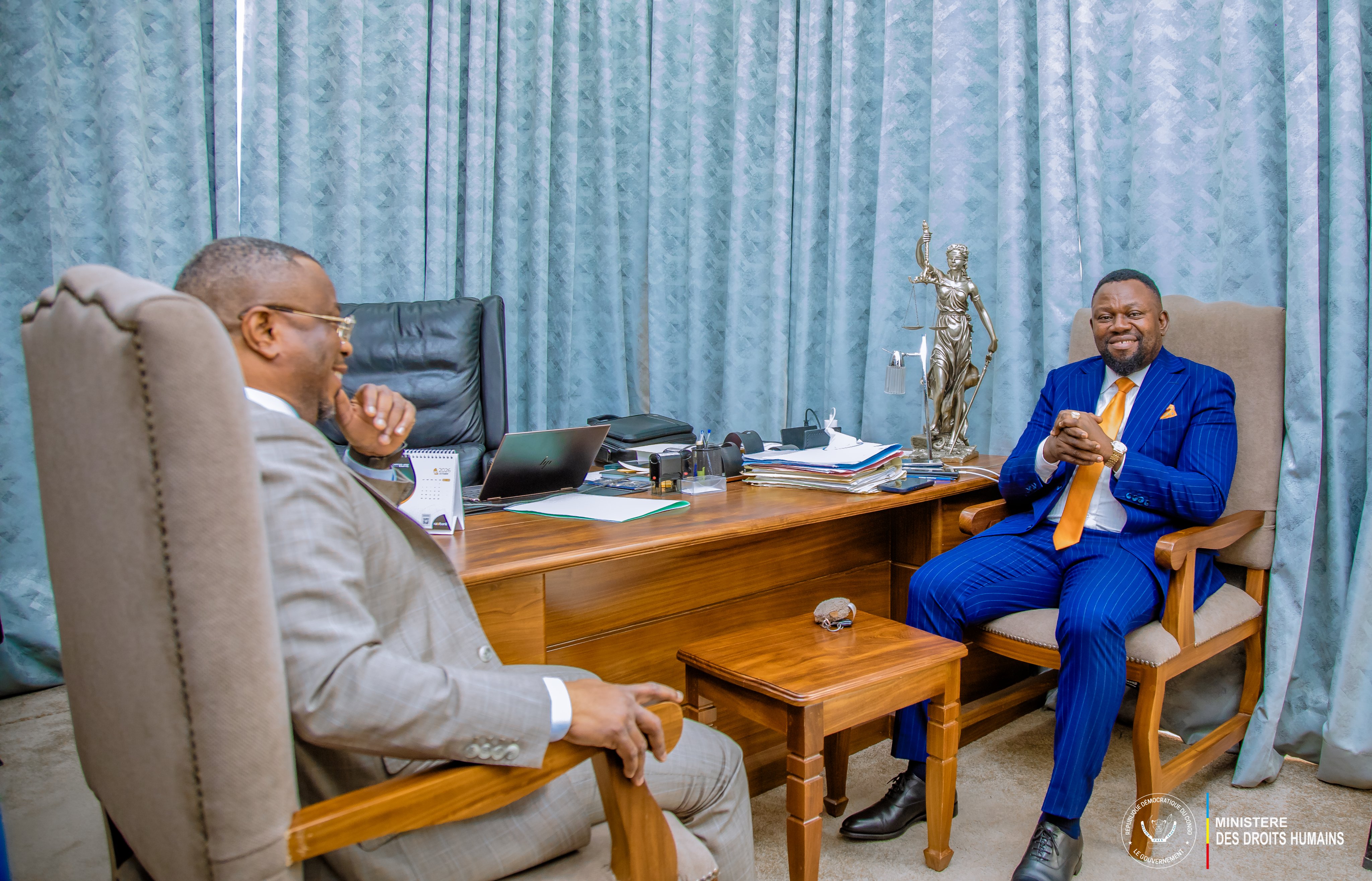
- The Minister presented his position during discussions with Bar officials in Kinshasa on Wednesday, October 7.
- This advocacy aims to broaden access to the legal profession for graduates of recognized private universities.
- The outcome could significantly impact aspiring lawyers from private institutions seeking admission to the Kinshasa-Gombe Bar.
Minister Advocates for Broader Bar Admission
This intervention by Samuel Mbemba, a prominent figure in the RDC's human rights landscape, highlights a potential disparity in the current system governing the admission of avocats.
Samuel Mbemba, the Democratic Republic of Congo's Minister of Human Rights, has publicly called for the Kinshasa-Gombe Bar to revise its admission policies. His advocacy specifically targets the inclusion of law graduates who have obtained their degrees from private universities operating within the country. This move seeks to ensure that academic qualifications from these institutions are recognized for entry into the legal profession, provided they meet specific criteria.
The Minister presented this position during a meeting held on Wednesday, October 7, in Kinshasa. He engaged directly with officials representing the Kinshasa-Gombe Bar, articulating his perspective on the necessity of opening up access. A key condition stipulated by Mbemba is that these private universities must be officially accredited or recognized by the relevant authorities in the Democratic Republic of Congo, ensuring a standard of educational quality.
This intervention by Samuel Mbemba, a prominent figure in the RDC's human rights landscape, highlights a potential disparity in the current system governing the admission of avocats. His plea underscores a commitment to equitable opportunities for all qualified individuals seeking to join the legal profession, irrespective of whether their legal education was obtained from a public or a recognized private institution.
Legal Context and Access to the Profession
The Barreau de Kinshasa-Gombe, like other bar associations globally, plays a crucial role in regulating who can practice law within its jurisdiction. This includes setting the conditions d'accès for aspiring lawyers, which traditionally might have favored graduates from public universities or imposed specific hurdles for those from private institutions. The Minister's current advocacy suggests that such barriers may exist, prompting his call for reform.
Ensuring fair admission avocats universités privées Kinshasa is vital for the overall health and diversity of the legal sector in the RDC. The recognition of degrees from accredited private universities is not merely an administrative detail; it speaks to the broader principle of access profession avocat RDC. If qualified graduates from these institutions are currently facing undue restrictions, it limits the pool of legal talent and potentially impacts the availability of legal services.
For any private university to have its graduates considered, official accreditation or recognition by the state is paramount. This ensures that the educational programs meet national standards and that graduates possess the necessary foundational knowledge and skills to practice law effectively. The Minister's emphasis on this condition reflects a balance between expanding access and maintaining professional standards within the Barreau.
Implications for Aspiring Lawyers
The push by the Ministre Droits humains RDC Barreau could have significant implications for a large number of aspiring lawyers in the country. Many students pursue legal studies at private universities, and their ability to enter the profession directly hinges on the Kinshasa-Gombe Bar's admission policies. A positive response to Mbemba's plea would open new pathways for these graduates, offering them a clearer route to becoming practicing avocats.
This development is particularly relevant for students currently enrolled in or considering private law programs in Kinshasa and across the RDC. It signals a potential shift in how the Barreau de Kinshasa-Gombe views qualifications from these institutions, moving towards a more inclusive framework. The outcome of these discussions could redefine career prospects for numerous individuals and influence future enrollment trends in legal education.
Ultimately, this advocacy by Samuel Mbemba aims to foster a more inclusive legal landscape in the Democratic Republic of Congo. By addressing potential disparities in the Barreau's admission criteria, the initiative seeks to uphold principles of fairness and equal opportunity, ensuring that all appropriately qualified law graduates have the chance to contribute to the nation's legal system.
Practical Implications
Aspiring lawyers in the DRC, especially those from private universities, should closely monitor developments regarding the Kinshasa-Gombe Bar's admission policies, as this advocacy by the Minister of Human Rights could lead to significant changes in eligibility criteria for joining the legal profession.
Source
How does this affect you?
Get an AI analysis of this article grounded in your jurisdictions, practice areas, and any policy documents you've uploaded to Wansom.
Finish Reading the Full Story and the Expert Analysis.
Get the latest legal & regulatory intelligence in DR Congo
Wansom is AI and can make mistakes.