
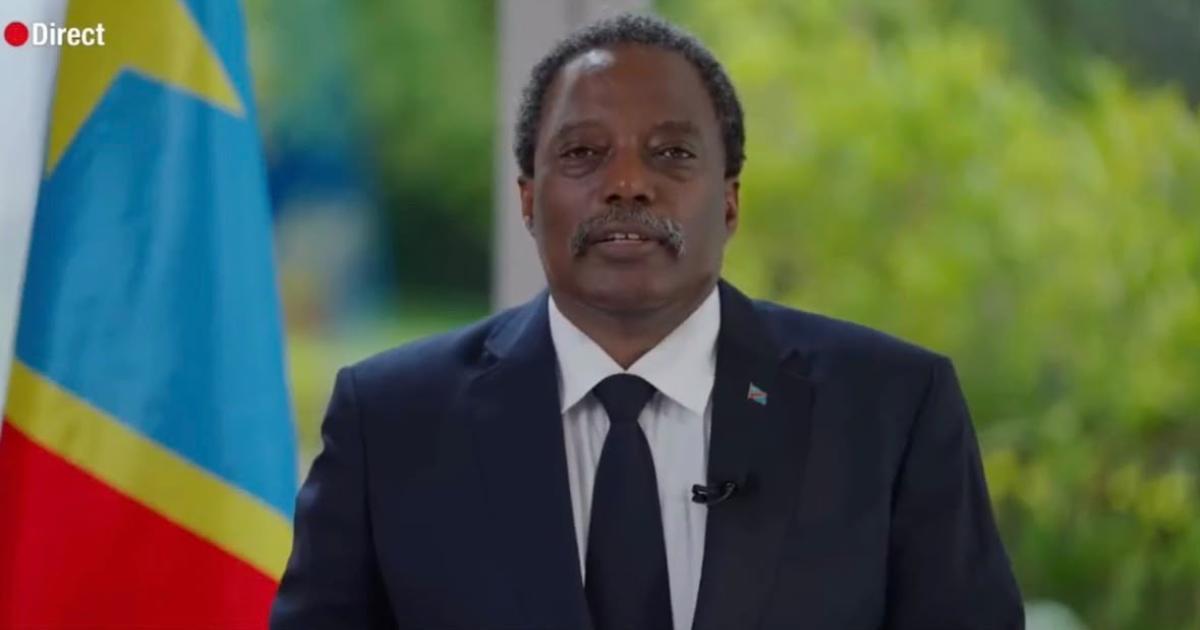
DRC: Kabila Criticizes Tshisekedi's Constitutional Change Stance
Summary
- Former President Joseph Kabila ended a multi-month silence on October 9, 2026, with a public appearance.
- During this appearance, Kabila criticized current President Félix Tshisekedi.
- Kabila's criticism focused on Tshisekedi's 'stubbornness' regarding his desire to change the Democratic Republic of Congo's constitution.
- This public disagreement highlights significant political tensions over fundamental legal reforms in the DRC.
Political Developments in Kinshasa
For legal professionals and compliance officers operating within the DRC, this development underscores the critical need to closely monitor the evolving political discourse, as any constitutional amendments could significantly reshape the legal and regulatory environment, impacting business operations and investment confidence in the long term.
Former President Joseph Kabila recently broke a significant period of public silence, re-entering the political discourse of the Democratic Republic of Congo on Friday, October 9, 2026. This public appearance marked his first notable engagement after several months away from the media spotlight. His return was not a quiet one; instead, it was characterized by a direct and pointed critique aimed at the current head of state, President Félix Tshisekedi. Kabila's remarks specifically targeted what he described as President Tshisekedi's 'stubbornness' regarding proposed modifications to the nation's foundational legal document.
The intervention by the former leader signals a notable shift in the political landscape, bringing a high-profile voice into a critical national discussion. His decision to speak out after an extended period of quiet observation underscores the perceived gravity of the constitutional matter at hand. Such a public denouncement from a predecessor carries considerable weight within the political fabric of the DRC, potentially influencing public opinion and political alignments as the debate over constitutional reform continues to unfold.
The Constitutional Reform Debate
At the heart of the recent political friction in the Democratic Republic of Congo lies the ongoing debate surrounding potential amendments to the national constitution. President Félix Tshisekedi's expressed desire to initiate changes to this fundamental legal framework has drawn sharp criticism from his predecessor, Joseph Kabila. Kabila's characterization of Tshisekedi's stance as 'stubbornness' highlights the intensity of the disagreement over the future direction of the country's governance structures. A nation's constitution serves as the supreme law, outlining the powers of government, defining the rights of citizens, and establishing the framework for political processes.
Any proposed alteration to such a pivotal document inherently triggers widespread scrutiny and can ignite significant political contention. The specific nature of the changes President Tshisekedi reportedly seeks has not been detailed in this context, but the mere intent to modify the constitution is enough to provoke a strong reaction, particularly from influential political figures like former President Kabila. This public disagreement underscores the profound implications that constitutional reform discussions hold for the stability and future trajectory of the République Démocratique du Congo.
Implications for Governance and Stability
The public rebuke from former President Joseph Kabila concerning President Félix Tshisekedi's pursuit of constitutional changes introduces a new layer of complexity into the political dynamics of the Democratic Republic of Congo. When a former head of state, who himself oversaw significant periods of governance, publicly challenges the incumbent on a matter as fundamental as the national constitution, it can signal deep-seated disagreements over the nation's future. This kind of high-level political friction can have far-reaching consequences for political stability and the perception of legal certainty within the country.
The term 'stubbornness' used by Kabila suggests a resolute determination on Tshisekedi's part to push forward with his constitutional agenda, despite potential opposition. Such a public declaration from a figure like Kabila, who retains considerable influence, could galvanize opposition forces or at least intensify the public debate surrounding the proposed reforms. For legal professionals and compliance officers operating within the DRC, this development underscores the critical need to closely monitor the evolving political discourse, as any constitutional amendments could significantly reshape the legal and regulatory environment, impacting business operations and investment confidence in the long term.
Practical Implications
Lawyers and compliance officers in the DRC should closely monitor the ongoing political debate regarding constitutional amendments, as any changes could significantly alter the legal and regulatory landscape, impacting business operations, investment certainty, and governance structures.
Source
How does this affect you?
Get an AI analysis of this article grounded in your jurisdictions, practice areas, and any policy documents you've uploaded to Wansom.
Finish Reading the Full Story and the Expert Analysis.
Get the latest legal & regulatory intelligence in DR Congo
Wansom is AI and can make mistakes.