
Sakaja Nairobi: Illegal Structures Removal Intensifies for El Niño
Summary
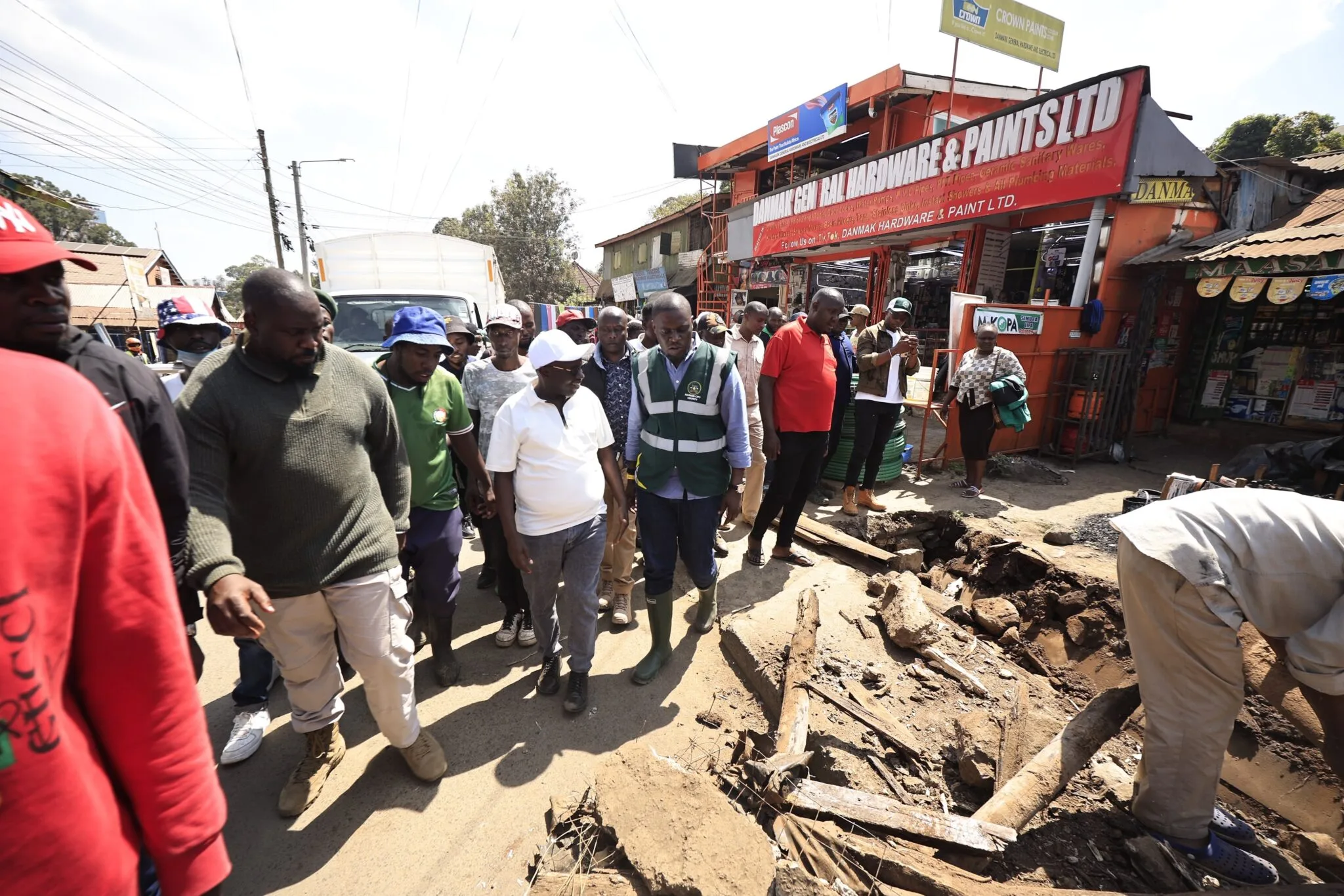
- Nairobi Governor Sakaja Johnson has overseen the removal of illegal structures along Naivasha Road in Kawangware as part of intensified flood-mitigation efforts.
- These demolitions target structures obstructing waterways and encroaching on drainage corridors, with similar operations ongoing in Mlango Soko and other city areas.
- The county is also actively clearing, desilting, deepening, and widening drainage channels in locations such as Imara Daima and Embakasi.
- Additional machinery has been deployed to identified flood hotspots to accelerate interventions ahead of the expected El Niño rains.
- The Governor emphasized the urgency of these works, which are critical for protecting lives and property across Nairobi.
Intensified Enforcement Targets Illegal Structures
The intensified county enforcement against illegal structures poses a direct risk of demolition and potential property disputes for non-compliant owners.
Nairobi County has significantly escalated its flood-mitigation efforts, with Governor Sakaja Johnson personally overseeing the removal of unauthorized constructions. On September 26, these operations specifically targeted illegal structures along Naivasha Road in Kawangware, which were found to be obstructing crucial waterways. This action is part of a broader, intensified campaign by the county government to prepare for the anticipated El Niño rains, aiming to prevent widespread flooding.
The county's commitment extends beyond this specific location, with similar operations actively underway in Mlango Soko and various other areas throughout the city. Governor Johnson has explicitly stated that the removal of structures encroaching upon drainage corridors will continue without abatement. The primary objective of these ongoing demolitions is to restore the natural flow of waterways and significantly enhance the efficiency of stormwater drainage systems across Nairobi.
This proactive approach, focusing on Sakaja Nairobi illegal structures removal, is a direct response to the environmental challenges posed by urban development in flood-prone areas. The county government is signaling a firm stance against non-compliant constructions that impede essential public infrastructure designed for water management, emphasizing the long-term goal of urban resilience against extreme weather events.
Legal Imperatives and Property Risks
The intensified Nairobi County waterway encroachment enforcement highlights critical legal considerations for property owners. Structures built on or near drainage corridors are in violation of established regulations, making them subject to demolition by county authorities. The county's actions are rooted in the imperative to maintain public safety and ensure the functionality of vital infrastructure, particularly in the face of impending heavy rainfall.
Lawyers and compliance officers should therefore advise clients with properties in Nairobi, particularly those adjacent to waterways or drainage corridors, to meticulously review their land titles and building permits for full compliance. The ongoing Kawangware illegal structures demolition serves as a stark reminder of the county's resolve. Non-compliance with land use and building codes, especially concerning public utility easements, can lead to severe consequences.
The intensified county enforcement against illegal structures poses a direct risk of demolition and potential property disputes for non-compliant owners. This situation underscores the importance of understanding Kenya property rights enforcement within the context of public infrastructure protection. Property owners are urged to proactively address any potential encroachments to avoid involuntary removal and associated legal challenges.
Broader Flood Mitigation Strategy
Beyond the removal of illegal structures, Nairobi County is implementing a comprehensive strategy for El Niño Nairobi flood mitigation property protection. Governor Johnson also conducted inspections of ongoing flood-mitigation works in several key areas, including Imara Daima, Kwa Njenga, and the Governor’s Road area spanning Embakasi South and East. These inspections underscore a multi-faceted approach to preparing the city for heavy rains.
Teams deployed across these locations are actively engaged in clearing, desilting, deepening, and widening existing drainage channels and waterways. These efforts are crucial for increasing the capacity of the city's stormwater management system, thereby reducing the risk of flooding in residential and commercial areas. The Nairobi drainage corridor enforcement is not solely about demolition but also about enhancing the physical infrastructure.
To further accelerate these critical interventions, additional machinery has been strategically deployed to identified flood hotspots throughout the city. This deployment signifies the county's commitment to an urgent and robust response, aiming to mitigate the impact of the expected El Niño rains and protect urban environments from water damage.
Protecting Lives and Property
Governor Sakaja emphasized the critical nature of the ongoing El Niño interventions, stating that these works are already well underway across the city. The efforts encompass a range of activities, from deepening and widening drainage channels to desilting waterways and deploying essential machinery to vulnerable areas. The urgency driving these operations is paramount.
The overarching goal of these extensive flood mitigation measures is to safeguard both human lives and valuable property. The county government recognizes the significant threat posed by severe flooding, which can lead to displacement, damage to infrastructure, and potential loss of life. Therefore, the proactive steps being taken are deemed essential for community safety and economic stability.
These comprehensive works are deemed critical for safeguarding both human lives and valuable property across the city. The continuous and urgent execution of these projects reflects a strategic commitment to enhancing Nairobi's resilience against natural disasters, ensuring that residents and their assets are better protected from the adverse effects of heavy rainfall.
Practical Implications
Lawyers and compliance officers should advise clients with properties in Nairobi, particularly those adjacent to waterways or drainage corridors, to review their land titles and building permits for compliance. The intensified county enforcement against illegal structures poses a direct risk of demolition and potential property disputes.
Source
How does this affect you?
Get an AI analysis of this article grounded in your jurisdictions, practice areas, and any policy documents you've uploaded to Wansom.
Finish Reading the Full Story and the Expert Analysis.
Get the latest legal & regulatory intelligence in Kenya
Wansom is AI and can make mistakes.