
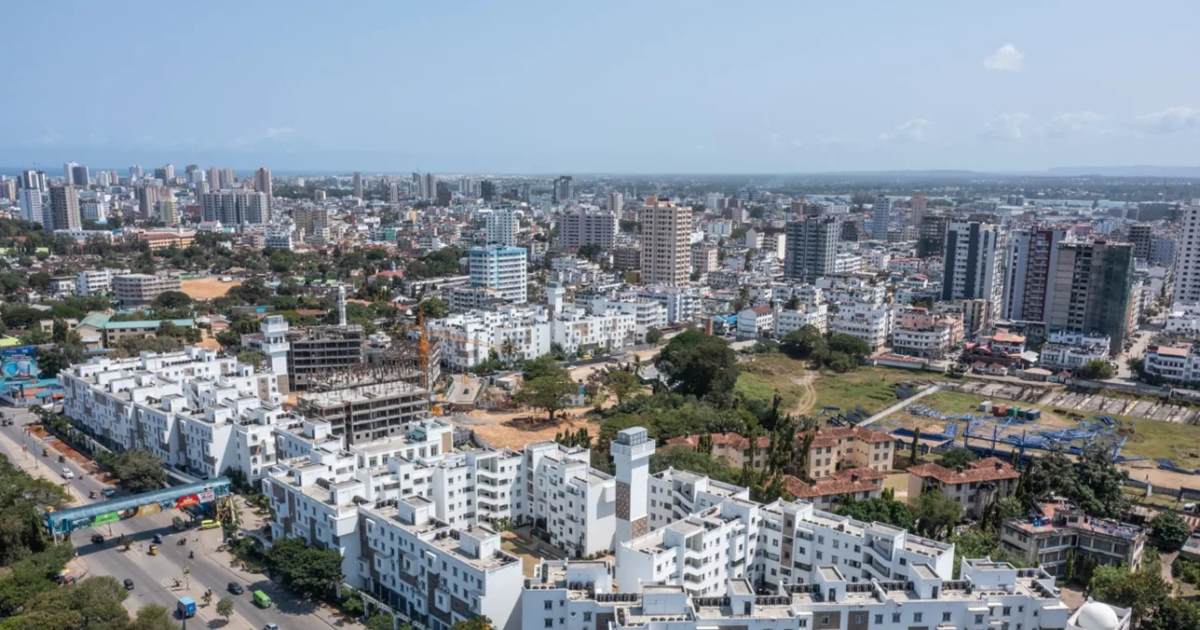
Mombasa County Halts Buxton Point Project Over Contract Breach
Summary
- Mombasa County has suspended construction at the Buxton Point housing project due to the developer's failure to meet agreed obligations.
- The multi-billion-shilling project is a public-private partnership aimed at redeveloping the former Buxton Estate with 1,850 affordable units.
- Key issues include the resettlement of 522 displaced tenants, who received Sh240,000 each but some cannot afford new units.
- The county is also seeking its entitled 10 percent share of housing units and commercial spaces, with concerns raised in September 2026 correspondence.
- The suspension is expected to further delay the project's completion and prolong uncertainty for former residents.
What Led to the Suspension
This Mombasa County halts Buxton Point project decision underscores the critical importance of adherence to contractual terms in large-scale public-private partnerships.
Mombasa County has announced an immediate halt to all construction activities at the Buxton Point housing project, citing the developer's failure to fulfill contractual obligations agreed upon with the county government and commitments made to the estate's former residents. Mohamed Hussein, the County Executive Committee Member (CECM) for Lands, Urban Planning and Housing, confirmed that the suspension would remain in effect until all outstanding issues are resolved and a new agreement is reached between the county and the national government. This decisive action places the multi-billion-shilling redevelopment at the center of a renewed dispute.
Hussein emphasized the necessity of a prior agreement between the county and national government for construction to proceed, stating that these obligations have not been met. He declared that no further construction would occur and indicated his intention to issue a formal letter to enforce the halt until an accord is reached. This Mombasa County halts Buxton Point project decision underscores the critical importance of adherence to contractual terms in large-scale public-private partnerships.
The Buxton Point Initiative
The Buxton Point housing project was conceived as a significant redevelopment effort for the former Buxton Estate. This initiative was a collaborative undertaking between the Mombasa County Government, then under the leadership of Governor Hassan Joho, and a consortium of private investors spearheaded by businessman Suleiman Shahbal, operating through GulfCap Africa Investment Partners. The primary objective of the project was to replace the aging estate with modern, affordable apartments complemented by a range of supporting facilities.
Government housing project information details plans for 1,850 residential units, encompassing bedsitters, one-bedroom, two-bedroom, and three-bedroom apartments. Beyond the residential offerings, the development was slated to include a kindergarten, a commercial center, a swimming pool, a gym, and various recreational spaces, aiming to create a comprehensive community environment. However, the ambitious scope of this public-private partnership has been overshadowed by persistent concerns regarding its execution.
Unresolved Obligations and Resident Concerns
The redevelopment has been plagued by issues surrounding the resettlement of previous tenants and the fulfillment of commitments outlined in the joint venture agreement. A total of 522 tenants were displaced from the old estate on March 5, 2021, to facilitate the project's commencement. Each displaced tenant received Sh240,000 to assist with relocation expenses and was offered the opportunity to purchase units within the new development. Despite these provisions, some former residents have voiced concerns about their inability to afford the new homes, while others have questioned the timeline for their eventual return to the estate.
Further complicating the situation are the Mombasa County development obligations, specifically the county's pursuit of its allocated share of the development. Under the terms cited by the county, it is entitled to 10 percent of both the housing units and commercial spaces. Correspondence sent to the developer in September 2026 reportedly highlighted concerns regarding the allocation and transfer of the county's share, performance security, and other outstanding project obligations. The Senate's Committee on Roads and Housing also engaged with former Buxton residents in 2025, where residents expressed worries about the transparency of the joint venture agreement and delays in implementing recommendations designed to protect their interests.
Broader Implications and Future Uncertainty
Mombasa Governor Abdulswamad Nassir affirmed the county's commitment to ensuring that former residents receive the 184 units allocated to the county by the developer once the houses are handed over. However, the current Buxton Point housing project suspension is likely to introduce further delays in the completion and handover of the development. This prolonged uncertainty affects not only the project timeline but also the former tenants who have been awaiting their return to the neighborhood for several years.
The ongoing Mombasa affordable housing dispute highlights potential Kenya public-private partnership risks, particularly when developer obligations are not meticulously met. The situation underscores the need for robust oversight and clear enforcement mechanisms within such large-scale urban development projects to safeguard the interests of all stakeholders, from local governments to displaced residents.
Practical Implications
Lawyers advising developers or county governments on public-private housing projects should meticulously review joint venture agreements, particularly clauses pertaining to developer obligations, share allocation, and resettlement plans, to mitigate risks of project suspension. Compliance officers involved in real estate development or public sector contracts must ensure robust monitoring mechanisms are in place to verify adherence to contractual terms and local government requirements, thereby preventing costly project delays and potential legal challenges.
Source
How does this affect you?
Get an AI analysis of this article grounded in your jurisdictions, practice areas, and any policy documents you've uploaded to Wansom.
Finish Reading the Full Story and the Expert Analysis.
Get the latest legal & regulatory intelligence in Kenya
Wansom is AI and can make mistakes.