
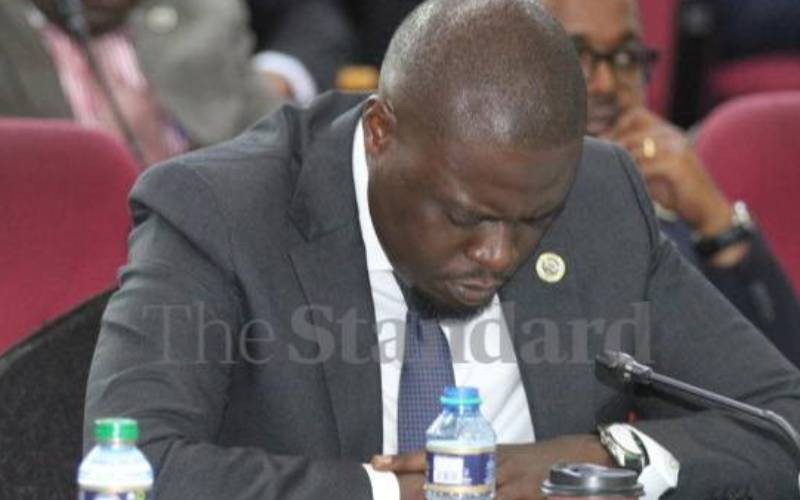
High Court: Sakaja, Kerich Contempt Application for Sh76.7M Debt Certified Urgent
Summary
- The High Court has certified an urgent application seeking to jail Nairobi Governor Johnson Sakaja and three other county officials.
- The application, filed by Kwengu & Company Advocates, alleges a breach of a court-approved payment plan for a Sh106.7 million legal fees debt.
- It aims to reinstate a three-month jail sentence previously imposed on former Finance Executive Charles Kerich and hold Sakaja, Ibrahim Auma Nyangoya, and Asha Abdi accountable.
- The officials are accused of failing to pay Sh76.7 million of the outstanding legal fees.
- Justice Francis Gikonyo certified the application, indicating a serious judicial approach to non-compliance with court orders.
High Court Certifies Urgent Contempt Application
Lawyers advising public entities or those seeking to enforce judgments against them should note the High Court's willingness to certify urgent applications for contempt against senior officials, signaling a stricter stance on compliance with court-approved payment plans and potential personal liability for non-payment of public debts.
A new application seeking to hold senior Nairobi County officials accountable for an alleged breach of a court-approved payment plan has been certified as urgent by the High Court. The application specifically targets Nairobi Governor Johnson Sakaja, former Finance Executive Charles Kerich, and two other current county officials: Ibrahim Auma Nyangoya, who serves as the current Finance County Executive Committee Member, and Asha Abdi, the Chief Officer for Finance. This development signals a potentially intensified legal battle over a substantial debt.
The core of the legal action, initiated by Kwengu & Company Advocates, centers on an alleged failure to disburse Sh76.7 million, which is part of a larger Sh106.7 million legal fees dispute. Justice Francis Gikonyo, presiding over the matter, granted the urgency certification, paving the way for expedited proceedings. The move underscores the judiciary's readiness to address alleged non-compliance with its directives, particularly when public funds and court-ordered settlements are involved.
Background to the Debt Dispute
The legal fees dispute, amounting to Sh106.7 million, has been a protracted issue, culminating in a court-approved payment plan that the county is now accused of violating. The current application by Kwengu & Company Advocates is not merely seeking to compel payment but also to impose punitive measures on the officials involved. Notably, the application aims to reinstate a three-month jail sentence that had previously been imposed on Charles Kerich, highlighting the severity of past non-compliance.
Furthermore, the application seeks to extend accountability beyond Kerich, directly targeting Governor Sakaja, Ibrahim Auma Nyangoya, and Asha Abdi for the alleged failure to remit the Sh76.7 million portion of the debt. This indicates a broader effort to ensure that all responsible parties within the county administration are held personally liable for the breach of the court's orders regarding the payment schedule.
Implications for Public Officials and Debt Enforcement
The High Court's decision to certify the contempt application as urgent carries significant implications for public officials and the enforcement of judgments against public entities. It demonstrates a judicial willingness to expedite cases where court orders, particularly those involving financial obligations and payment plans, are allegedly disregarded. This stance could lead to increased personal liability for senior county officials who are perceived to be obstructing or failing to implement court-mandated settlements.
Lawyers advising public entities or those seeking to enforce judgments against them should note the High Court's willingness to certify urgent applications for contempt against senior officials, signaling a stricter stance on compliance with court-approved payment plans and potential personal liability for non-payment of public debts. Justice Gikonyo's certification underscores the judiciary's commitment to upholding the integrity of its orders and ensuring that public bodies adhere to their financial obligations as determined by the courts.
Practical Implications
Lawyers advising public entities or those seeking to enforce judgments against them should note the High Court's willingness to certify urgent applications for contempt against senior officials, signaling a stricter stance on compliance with court-approved payment plans and potential personal liability for non-payment of public debts.
Source
How does this affect you?
Get an AI analysis of this article grounded in your jurisdictions, practice areas, and any policy documents you've uploaded to Wansom.
Finish Reading the Full Story and the Expert Analysis.
Wansom is AI and can make mistakes.