
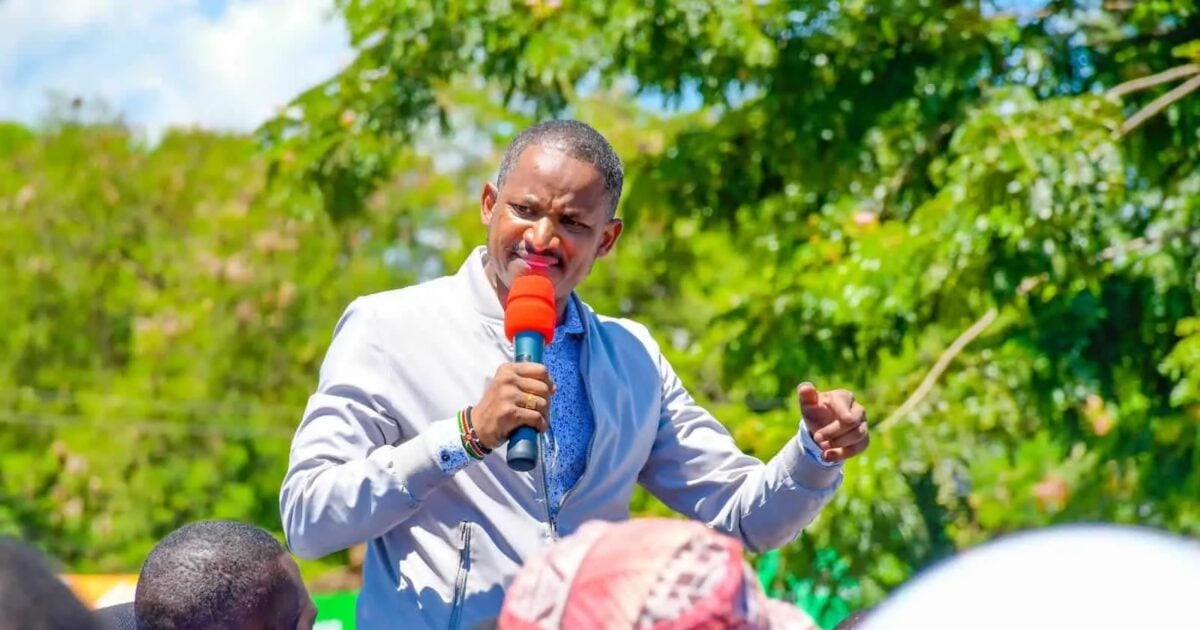
Kenya: Babu Owino Challenges Sakaja on Collapsed Building Lawsuit
Summary
- Embakasi East MP Babu Owino refused to apologize to Nairobi Governor Johnson Sakaja for linking City Hall to a collapsed Eastleigh building.
- Owino challenged Sakaja to sue him, insisting on accountability for the tragedy that occurred on October 23.
- The dispute centers on whether the multi-storey building had necessary county approvals, with Owino claiming approval via a document and Sakaja disputing its interpretation.
- Sakaja stated the county approved a change of user in October 2024 but not the architectural plans for the high-rise structure.
- The incident has intensified scrutiny on Nairobi's construction regulation enforcement and accountability, with Sakaja also questioning the release of arrested suspects.
What Happened
The contentious exchange between the prominent political figures has cast a renewed and intense spotlight on Nairobi's broader development approval procedures, building inspection protocols, and the enforcement of construction regulations.
The tragic collapse of a multi-storey structure on 9th Street in Nairobi's Eastleigh area on Friday, October 23, has ignited a fierce public and legal confrontation between Embakasi East Member of Parliament Babu Owino and Nairobi Governor Johnson Sakaja. This devastating incident, which prompted a multi-agency rescue operation, led to immediate calls for accountability regarding the building's structural integrity and regulatory compliance. Emergency teams worked tirelessly to search for individuals trapped beneath the rubble, with four people successfully rescued alive by Sunday, while the Kenya Red Cross reported 47 individuals missing, though these figures were still undergoing verification.
In the wake of the disaster, MP Owino publicly accused City Hall of culpability, directly linking Governor Sakaja to the building's approval process. These allegations quickly escalated into a high-stakes legal challenge when, on Sunday, Sakaja's legal representatives issued Owino a six-hour ultimatum to retract his social media posts. The governor's lawyers warned of impending legal action, asserting that Owino's claims were misleading and damaging to Sakaja's reputation. However, Owino, in a defiant statement issued on Monday, October 26, unequivocally refused to apologize, challenging Governor Sakaja to pursue legal recourse.
The Approval Controversy
At the heart of the escalating dispute lies a contentious disagreement over the official status of the collapsed building's county approvals. MP Owino had disseminated a document online, which he claimed demonstrated that Nairobi City County had granted approval for the proposed development on February 13, 2024. Based on this, Owino accused Governor Sakaja of misrepresenting facts by asserting the building lacked proper authorization, and further alleged that a substantial bribe of Sh120 million had been paid to secure the development approval, a claim that remains unverified by independent sources.
Governor Sakaja, however, strongly contested Owino's interpretation of the document, clarifying that the county had indeed approved a change of user for the property from residential to mixed residential and commercial in October 2024. Crucially, Sakaja maintained that this change of user approval was distinct from, and did not constitute, approval for the architectural plans of the proposed high-rise building itself. He further stated that county authorities had initiated enforcement actions against the development, raising critical questions about how construction was permitted to continue despite these interventions. This "Sakaja building approval dispute" highlights significant concerns regarding "City Hall building approvals accountability".
Regulatory Scrutiny and Enforcement Challenges
The contentious exchange between the prominent political figures has cast a renewed and intense spotlight on Nairobi's broader development approval procedures, building inspection protocols, and the enforcement of construction regulations. The incident has spurred urgent calls for comprehensive investigations into the building's approval history and the efficacy of enforcement measures taken prior to its collapse. This situation underscores the critical need for robust "Kenya construction regulation enforcement" to prevent future tragedies.
Further complicating the regulatory landscape, Governor Sakaja himself voiced concerns on Monday regarding the judicial process surrounding individuals arrested for alleged violations of county planning regulations. He specifically questioned the release of some suspects on Sh50,000 cash bail without their formal presentation in court, urging the police to provide a clear explanation for these circumstances. The ongoing "Babu Owino defamation threat" and the wider implications of this incident emphasize the heightened legal and reputational risks for all parties involved in Nairobi's construction sector, from developers and contractors to county officials.
Practical Implications
This escalating dispute underscores the heightened legal and reputational risks for developers, contractors, and county officials involved in construction projects in Nairobi, particularly concerning building approvals, regulatory compliance, and liability in the event of structural failures. Lawyers should advise clients on rigorous due diligence for permits and robust defense strategies against potential litigation or public accusations.
Source
How does this affect you?
Get an AI analysis of this article grounded in your jurisdictions, practice areas, and any policy documents you've uploaded to Wansom.
Finish Reading the Full Story and the Expert Analysis.
Wansom is AI and can make mistakes.