
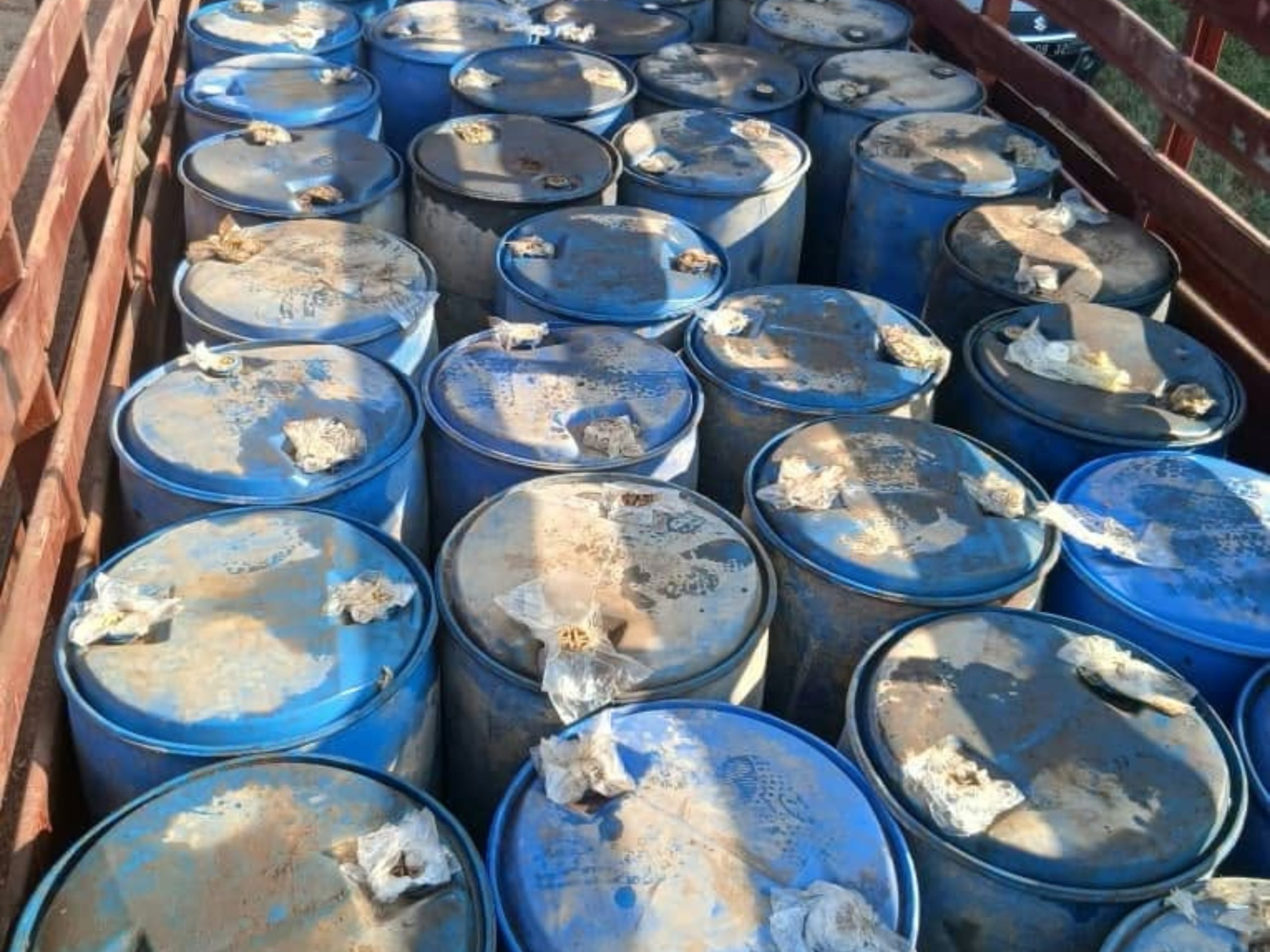
Cameroun: Saisie Gasoil Frauduleux Meiganga, 10,000 Liters Intercepted
Summary
- Cameroonian authorities seized 10,000 liters of subsidized diesel in Meiganga on October 28-29, 2026, preventing its fraudulent export.
- The operation, led by the Brigade nationale de lutte contre la fraude des produits pétroliers, targeted fuel accumulated from local sources for cross-border diversion.
- This incident is part of an ongoing series of enforcement actions against fuel fraud, including previous seizures in Boumnyebel and Sangmélima.
- The diverted diesel, intended for the national market, was subsidized by the Cameroonian state, making its illegal export a significant financial loss.
- The Ministry of Water and Energy is intensifying efforts to protect national fuel supply and public resources from such illicit activities.
What Happened in Meiganga
The government's sustained campaign, spearheaded by the MINEE and its specialized brigade, aims to protect the integrity of the national fuel supply chain and safeguard public finances.
On October 28 and 29, 2026, Cameroonian authorities successfully intercepted a significant quantity of illicit fuel in Meiganga, located in the Adamaoua region. This operation, carried out by the Brigade nationale de lutte contre la fraude des produits pétroliers (BNLFPP) with support from law enforcement agencies, resulted in the saisie 10000 litres gasoil. The fuel, specifically 40 barrels each containing 250 liters, was discovered loaded onto a truck, reportedly destined for a neighboring country. This intervention was initiated following intelligence reports and conducted under direct instructions from Gaston Eloundou Essomba, the Minister of Water and Energy.
The seized diesel had benefited from state subsidies, meaning it was intended to supply the national market within Cameroon. Its attempted diversion for export represented a significant act of détournement gasoil subventionné Cameroun. Such fraudulent activities not only deprive Cameroonian consumers of essential subsidized products but also undermine the substantial financial commitments made by the government to stabilize fuel prices and ensure domestic supply. The BNLFPP's swift action prevented this subsidized fuel from reaching an external market, thereby safeguarding public resources.
The Mechanics of Fuel Fraud
The method employed in the Meiganga incident is characteristic of broader fraude produits pétroliers Cameroun schemes. Investigations revealed that the illicit operation involved progressively accumulating fuel stock from various service stations and tanker trucks within the country. Once sufficient quantities were gathered, the perpetrators intended to transport these products out of national territory. This systematic approach highlights a sophisticated network designed to exploit the price differential created by state subsidies.
The Ministry of Water and Energy (MINEE) has been actively combating these illicit practices, recognizing the severe economic and social consequences. The détournement gasoil subventionné Cameroun directly impacts the availability and cost of fuel for legitimate domestic use, placing an undue burden on citizens and businesses. The MINEE lutte fraude carburant efforts are crucial in ensuring that public funds allocated for fuel subsidies genuinely benefit the Cameroonian populace, rather than enriching criminal enterprises engaged in cross-border smuggling.
Intensified Enforcement and Recent Successes
The saisie gasoil frauduleux Meiganga Cameroun is not an isolated event but rather a continuation of intensified efforts by the Brigade nationale lutte fraude pétrolière. This unit has been instrumental in a series of interventions targeting fraudulent fuel circuits across the country. For instance, on July 29, 2026, a tanker truck carrying 36,000 liters of diesel was seized in Boumnyebel. In that case, broken security seals raised suspicions of diverting tax-exempt cargo, originally intended for export, into the domestic market.
Another notable operation occurred between September 12 and 13, resulting in the seizure of 4,200 liters of diesel along the Sangmélima axis. Similar to the Meiganga incident, intelligence played a critical role, enabling authorities to track the vehicle and intercept the illicit cargo. These consistent successes underscore the effectiveness of intelligence gathering and the collaborative efforts between the BNLFPP and law enforcement agencies in disrupting these criminal networks. The ongoing vigilance across various routes demonstrates the authorities' unwavering commitment to curbing fraude produits pétroliers Cameroun.
Broader Implications for Cameroon's Petroleum Sector
The recent saisie gasoil frauduleux Meiganga Cameroun and other related operations carry significant implications for the nation's petroleum sector and its regulatory environment. The government's sustained campaign, spearheaded by the MINEE and its specialized brigade, aims to protect the integrity of the national fuel supply chain and safeguard public finances. The objective is clear: to reduce fraud, ensure adequate supply for the domestic market, and preserve the substantial public resources invested in fuel subsidies.
The decisive role of intelligence and inter-agency cooperation in these operations sends a strong message to those involved in illicit fuel trade. This heightened enforcement environment necessitates that all stakeholders in Cameroon's petroleum sector, particularly those involved in distribution and cross-border logistics, exercise extreme diligence. Compliance with national distribution regulations and robust internal controls are paramount to mitigate the risks associated with fuel fraud and avoid legal repercussions. The state's resolve to combat détournement gasoil subventionné Cameroun is evident and growing.
Practical Implications
Lawyers advising clients in Cameroon's petroleum sector, especially those involved in fuel distribution or cross-border logistics, should note the intensified enforcement against subsidized product diversion. Compliance officers must review internal controls to mitigate risks associated with fuel fraud and ensure strict adherence to national distribution regulations, given the increased vigilance by authorities like the BNLFPP.
Source
How does this affect you?
Get an AI analysis of this article grounded in your jurisdictions, practice areas, and any policy documents you've uploaded to Wansom.
Finish Reading the Full Story and the Expert Analysis.
Wansom is AI and can make mistakes.