
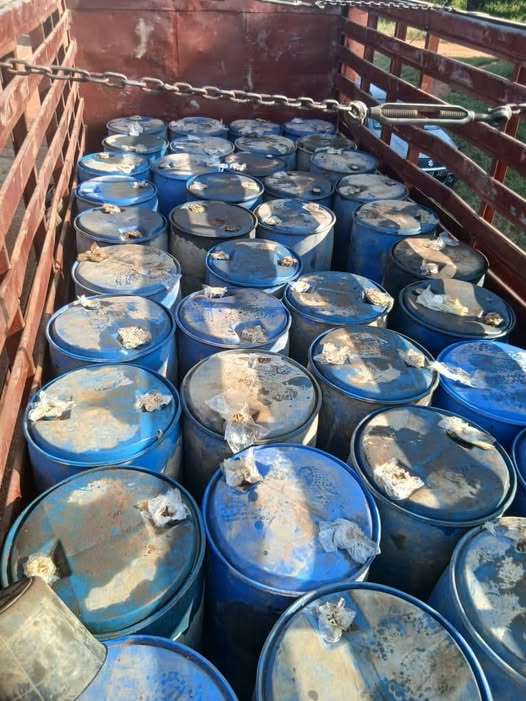
Cameroun: Saisie Gasoil Frauduleux Exceeds 50,200 Liters
Summary
- Between July and October 2026, Cameroonian authorities seized over 50,200 liters of illicit diesel fuel.
- The Brigade nationale lutte fraude produits pétroliers, under the ministère Eau Energie Cameroun, conducted these operations.
- Major seizures included 10,000 liters in Meiganga, 36,000 liters in Boumnyebel, and 4,200 liters in Sangmélima.
- Illicit fuel is often acquired from service stations and trafficked across borders, as seen in the Meiganga operation.
- The government's intensified enforcement highlights the alarming proportions of diesel trafficking in Cameroon.
Recent Enforcement Actions Highlight Fuel Fraud
The intensified Cameroun saisie gasoil frauduleux operations carry significant implications for businesses involved in the petroleum distribution and transport sectors.
Between July and October 2026, Cameroonian authorities successfully confiscated over 50,200 liters of illicit diesel fuel, underscoring a significant push against illegal petroleum activities. This substantial Cameroun saisie gasoil frauduleux was carried out by the Brigade nationale lutte fraude produits pétroliers, an specialized unit operating under the ministère Eau Energie Cameroun. The operations targeted various transportation routes across the nation, indicating a widespread problem of fuel contraband.
The total volume seized reflects a series of distinct interventions, with three major operations contributing significantly to the overall tally. These included the interception of 10,000 liters in Meiganga, a larger haul of 36,000 liters in Boumnyebel, and an additional 4,200 liters recovered in Sangmélima. These incidents collectively illustrate the persistent challenge posed by the illicit trade of petroleum products within the country's borders.
Unpacking the Mechanics of Illicit Fuel Trade
One notable operation, conducted on October 28 and 29, involved the seizure of 10,000 liters of diesel in Meiganga, located in the Adamaoua region. This particular saisie carburant illégal Cameroun involved 40 barrels, each containing 250 liters of fuel, which were reportedly destined for a neighboring country. Acting on intelligence, the brigade, with support from law enforcement, intercepted the truck transporting the contraband during a targeted "blitz" operation, effectively dismantling a segment of the trafficking network.
The typical method employed by these illicit networks involves the gradual accumulation of fuel by purchasing it from legitimate service stations. Once sufficient quantities are amassed, the diesel is then prepared for transport, often across national borders, highlighting the transnational nature of this trafic gasoil Cameroun. The 10,000-liter seizure in Meiganga, while substantial, was noted to be three times smaller than another significant seizure made on October 29, further emphasizing the scale of the problem.
Government's Stance Against Fuel Smuggling
The ongoing efforts by the Brigade nationale lutte fraude produits pétroliers signal a heightened commitment from the ministère Eau Energie Cameroun to combat the escalating issue of fraude carburant Cameroun. Authorities have observed that the trafic gasoil Cameroun has reached alarming proportions, necessitating a robust and coordinated response. The brigade's operations, often conducted with the crucial assistance of general law enforcement agencies, are designed to disrupt these illegal supply chains and deter future attempts at fuel fraud.
These enforcement actions are not isolated incidents but rather part of a broader strategy to safeguard the national economy and ensure fair competition within the petroleum sector. The consistent interception of large quantities of illicit fuel across different localities underscores the pervasive nature of the problem and the continuous vigilance required from government agencies to curb these activities effectively.
Legal and Compliance Considerations for Businesses
The intensified Cameroun saisie gasoil frauduleux operations carry significant implications for businesses involved in the petroleum distribution and transport sectors. The government's proactive stance against fraude carburant Cameroun means that companies must critically evaluate their supply chain integrity and compliance protocols. Failure to conduct thorough due diligence could expose businesses to substantial legal and reputational risks, particularly if their operations are inadvertently linked to illicit fuel networks.
Legal and compliance officers should therefore advise their clients to implement stringent vetting processes for suppliers and transporters, ensuring that all fuel products are sourced and distributed through legitimate channels. The current enforcement climate demands a proactive approach to compliance, moving beyond basic regulatory adherence to encompass comprehensive risk management strategies that address the complexities of the regional fuel market.
Practical Implications
Lawyers and compliance officers should advise clients involved in the petroleum distribution and transport sectors in Cameroon to review their supply chain due diligence and compliance protocols, as the intensification of enforcement against fraudulent fuel trafficking poses significant legal and reputational risks for businesses operating in the region.
Source
How does this affect you?
Get an AI analysis of this article grounded in your jurisdictions, practice areas, and any policy documents you've uploaded to Wansom.
Finish Reading the Full Story and the Expert Analysis.
Wansom is AI and can make mistakes.