
SADCOPAC: Mandates SOE Debt Quarterly Scrutiny Across SADC
Summary
- SADCOPAC has mandated quarterly scrutiny of State-Owned Enterprise (SOE) debt and contingent liabilities across the SADC region.
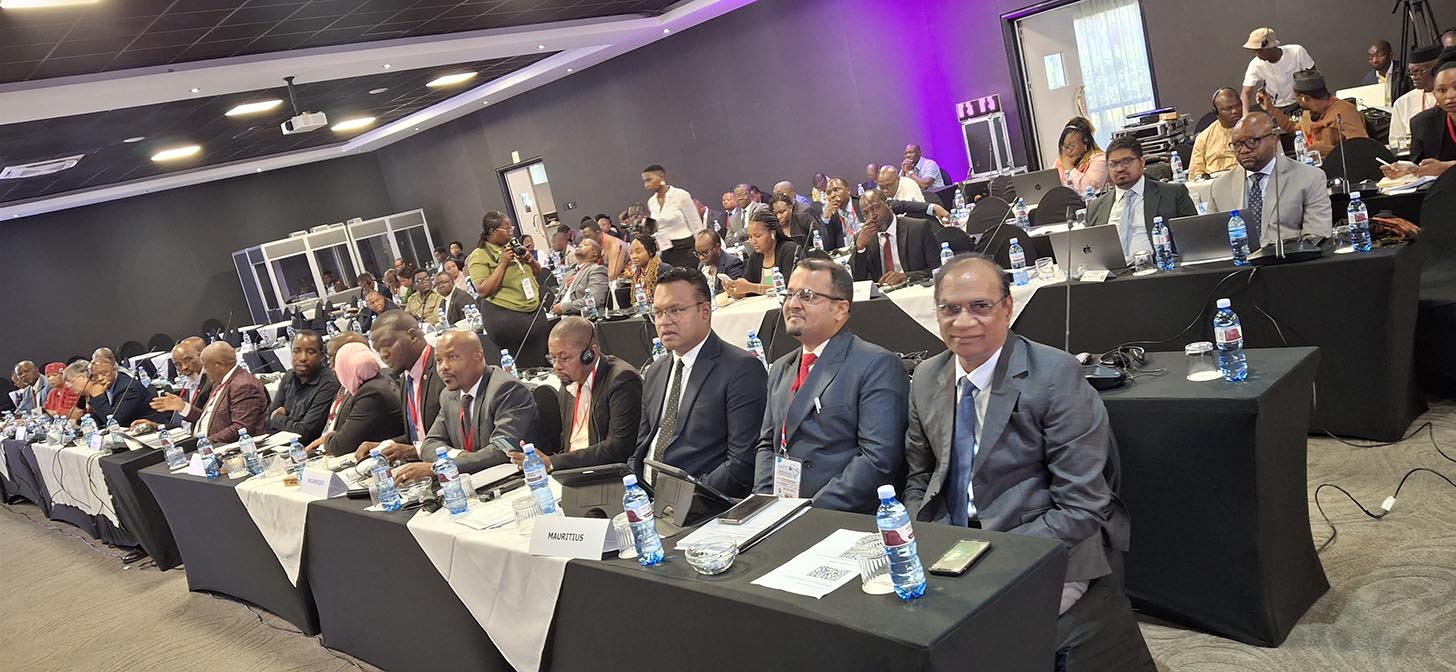
- This resolution emerged from SADCOPAC's 18th Annual Conference and 22nd Annual General Meeting held in Ezulwini.
- Public Accounts Committees (PACs) in SADC member states are now required to establish mechanisms for this frequent financial oversight.
- The directive aims to enhance accountability and proactive management of financial risks associated with SOEs.
- This marks a significant shift towards more rigorous and continuous financial monitoring by parliamentary oversight bodies.
What Happened
The emphasis on a quarterly review cycle underscores a heightened focus on real-time financial monitoring and proactive management of potential liabilities that could impact public finances.
The Southern African Development Community Organisation of Public Accounts Committees (SADCOPAC) has mandated a significant shift in financial oversight for State-Owned Enterprises (SOEs) across the Southern African Development Community (SADC) region. Following its 18th Annual Conference and 22nd Annual General Meeting, held recently in Ezulwini, SADCOPAC issued a resolution requiring Public Accounts Committees (PACs) within member states to implement quarterly mechanisms for the rigorous scrutiny of SOE debt and contingent liabilities. This directive marks a move towards more frequent and structured oversight of these critical financial exposures.
This particular resolution is one among several key outcomes from the recent SADCOPAC gathering. It specifically targets the financial health and accountability of state-owned entities, which often represent substantial portions of national economies and carry significant fiscal risks. The emphasis on a quarterly review cycle underscores a heightened focus on real-time financial monitoring and proactive management of potential liabilities that could impact public finances.
Enhanced Regional Oversight
The decision by SADCOPAC to enforce quarterly scrutiny of SADC SOE contingent liabilities reflects a growing regional commitment to robust public financial management. Public Accounts Committees play a crucial role in parliamentary democracies, serving as independent bodies tasked with examining government expenditure, ensuring accountability, and scrutinising the financial affairs of public entities, including SOEs. Their mandate typically involves reviewing audit reports and questioning officials to safeguard public funds.
The specific focus on "SADC SOE contingent liabilities" highlights an area of particular concern, as these are potential future obligations that may arise depending on the outcome of uncertain events. Such liabilities, if not properly managed and monitored, can pose significant risks to national budgets and economic stability. By requiring PACs to establish dedicated quarterly mechanisms, SADCOPAC aims to strengthen Public Accounts Committees SADC debt oversight, moving beyond annual or ad-hoc reviews to a more continuous and preventative approach. This proactive stance is designed to identify and address financial irregularities or burgeoning debt issues within SOEs before they escalate.
Implications for SOEs and Legal Advisors
The implementation of SADCOPAC resolutions SOE debt oversight will necessitate a significant adjustment for State-Owned Enterprises throughout the SADC region. The shift from potentially less frequent or reactive financial reviews to mandatory quarterly scrutiny means SOEs must prepare for a consistently higher level of transparency and accountability regarding their financial positions. This intensified SADCOPAC SOE debt quarterly scrutiny will likely require SOEs to enhance their internal reporting systems and ensure that their financial disclosures are not only accurate but also readily available for parliamentary examination on a more frequent basis.
For legal professionals advising SOEs, or private entities engaged in transactions with them, this development signals a need for proactive engagement with financial reporting and governance frameworks. Lawyers will need to guide their clients in anticipating and preparing for potential inquiries from PACs, ensuring that all financial documentation, particularly concerning debt and contingent liabilities, is robust and defensible. The increased frequency of oversight implies that any emerging financial risks or contractual obligations with contingent elements will come under the spotlight much sooner, demanding a more agile and responsive approach to compliance and disclosure. This will undoubtedly reshape the landscape of corporate governance and financial transparency for state-owned entities across the SADC bloc.
Practical Implications
Lawyers advising State-Owned Enterprises (SOEs) or private entities transacting with them in the SADC region should anticipate heightened and more frequent scrutiny of SOE debt and contingent liabilities by Public Accounts Committees. This necessitates proactive review of financial disclosures and potential preparation for quarterly reporting or inquiries.
Source
How does this affect you?
Get an AI analysis of this article grounded in your jurisdictions, practice areas, and any policy documents you've uploaded to Wansom.
Finish Reading the Full Story and the Expert Analysis.
Get the latest legal & regulatory intelligence in Eswatini
Wansom is AI and can make mistakes.