
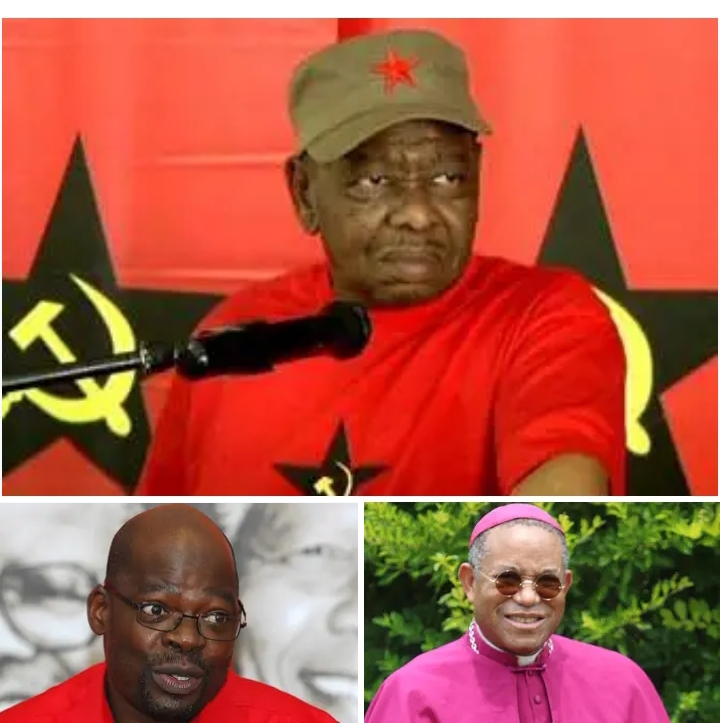
SACP Calls for Bishop Trevor Mwamba Release After Zambia Arrest
Summary
- The South African Communist Party (SACP) has demanded the immediate release of Bishop Trevor Mwamba, leader of Zambia’s United National Independence Party (UNIP).
- Bishop Mwamba was reportedly abducted and subsequently arrested at a police station in Matero, Lusaka, with his detention confirmed two days later after family searches.
- The SACP views his arbitrary arrest as a serious violation of human rights and principles of justice, occurring in the aftermath of widely disputed Presidential elections.
- The party urges Zambian authorities to uphold democratic principles, human rights, international law, and SADC election guidelines.
- Bishop Mwamba is a retired Anglican Bishop, respected theologian, and advocate for peace and justice, adding weight to concerns over his detention.
Detention of UNIP Leader Raises Alarm
The SACP unequivocally views this detention as a serious violation of fundamental human rights and a direct affront to the principles of justice.
The South African Communist Party (SACP) has issued a strong call for the immediate release of Bishop Trevor Mwamba, the prominent leader of Zambia’s United National Independence Party (UNIP). Bishop Mwamba, whose party was historically led by former President Kenneth Kaunda, was reportedly abducted before his subsequent arrest at a police station located in Matero, Lusaka. This incident has drawn significant international attention due to the circumstances surrounding his detention.
The SACP highlighted that the confirmation of Bishop Mwamba's abduction and arrest only came two days after the events transpired. During this critical period, his family and friends undertook a frantic search, operating without any official information regarding his whereabouts. This lack of transparency during the initial phase of his detention has fueled concerns about due process and human rights.
The timing of Bishop Mwamba's abduction is particularly noteworthy, occurring in the immediate aftermath of Zambia's recent Presidential elections, which have been widely characterized as disputed. This political backdrop adds a layer of complexity to the situation, suggesting potential political motivations behind the arrest of a key opposition figure. The SACP's intervention underscores the gravity of the situation and its potential implications for democratic governance in the region.
SACP Condemns Arbitrary Arrest
The SACP's Central Committee expressed profound shock and concern upon learning of Bishop Mwamba's arbitrary arrest. The party unequivocally views this detention as a serious violation of fundamental human rights and a direct affront to the principles of justice. Their statement emphasizes the need for adherence to established legal norms and democratic practices, particularly in a post-election environment.
In addition to demanding his immediate release, the SACP has urged Zambian authorities to uphold a comprehensive set of international and regional standards. Specifically, they called upon the government to respect democratic principles, protect human rights, adhere to international law, and abide by the principles that guide elections within the Southern African Development Community (SADC). This broad appeal reflects concerns that the incident could signal a broader erosion of democratic safeguards in Zambia.
The South African Communist Party's vocal stance on Zambia Bishop Mwamba's arrest highlights the interconnectedness of political stability and human rights across the Southern African region. Their intervention serves as a significant diplomatic and political pressure point, drawing international scrutiny to the actions of the Zambian government concerning the UNIP leader Trevor Mwamba detention.
Broader Implications for Justice and Governance
Bishop Trevor Mwamba is not only a political figure but also a respected individual with a distinguished background. He is a retired Anglican Bishop who previously served in Botswana and is widely recognized as a respected theologian. His commitment to peace and the advancement of justice has been a consistent theme throughout his public life, making his current detention particularly alarming to international observers and human rights advocates.
The SACP's strong SACP calls for Bishop Trevor Mwamba release underscore the potential for this incident to signal broader challenges to the rule of law in Zambia. The context of the widely disputed Presidential elections, coupled with the arbitrary nature of the Matero Lusaka political arrest, raises questions about the political climate and the treatment of opposition figures. The call for adherence to SADC election principles Zambia is a direct appeal to regional governance standards.
This situation carries significant implications for regional stability and the perception of democratic health in Zambia. The SACP's firm position reflects a concern that such actions could undermine democratic institutions and human rights protections, not just within Zambia but potentially setting a concerning precedent for other nations in the Southern African region.
Practical Implications
This incident signals potential human rights violations and political instability in Zambia, which could impact clients operating in the region or those involved in human rights advocacy. Lawyers should monitor the rule of law environment and advise clients on associated political and reputational risks.
Source
Source: Original reporting via {source}
How does this affect you?
Get an AI analysis of this article grounded in your jurisdictions, practice areas, and any policy documents you've uploaded to Wansom.
Finish Reading the Full Story and the Expert Analysis.
Wansom is AI and can make mistakes.