
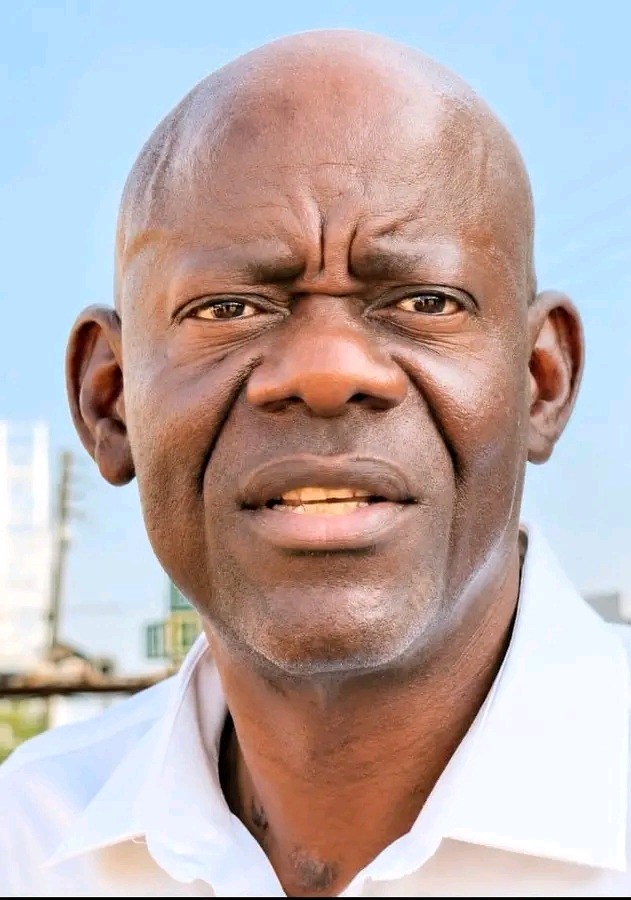
Davies Mwila: Demands Mundubile Zulu Detention Evidence in Zambia
Summary
- BM8-ECL Movement Chairperson Davies Mwila demanded clear evidence for the continued detention of Brian Mundubile, Makebi Zulu, and 18 others in Zambia.
- Mwila expressed concern that the arrests appear politically motivated and called for adherence to due process and respect for detainees' rights.
- He also urged an independent investigation into the death of Honourable Kafwaya, citing the public's right to answers.
- Mwila appealed to President Hakainde Hichilema for statesmanship, advocating for reconciliation over confrontation to prevent national division.
- Despite ongoing debate, Mwila affirmed that Brian Mundubile remains the undisputed leader of the Tonse Alliance, rejecting claims of a leadership vacuum.
Calls for Accountability and Due Process
Mwila stressed that the continued detention of these individuals appears politically motivated, urging authorities to uphold due process and respect the rights of all those in custody.
BM8-ECL Movement National Chairperson Davies Mwila has demanded clear, credible, and verifiable evidence from the Zambian government to justify the ongoing detention of Tonse Alliance president Brian Mundubile, opposition politician Makebi Zulu, and 18 other individuals. Speaking at a media briefing in Lusaka on Thursday, September 5, Mwila expressed profound concern over the prolonged custody of Mundubile and Zulu, asserting that the arrests appear to be politically motivated. He emphasized the critical need for authorities to respect the rights of those in custody and ensure that any allegations against them are subjected to due process.
The BM8-ECL Movement, through Mwila, underscored its deep concern regarding the prevailing political situation in Zambia. Mwila called for the immediate release of Mundubile, Zulu, and the other detainees unless the government can present lawful and credible grounds for their continued incarceration. He reiterated that the movement's stance is that the detentions lack sufficient legal justification and are driven by political considerations, necessitating transparent evidence from the state.
This demand highlights a critical focus on Zambia due process for political detainees, as Mwila's statements reflect a broader concern for human rights within the country's legal framework. The call for verifiable evidence directly challenges the perceived lack of transparency surrounding these high-profile arrests, urging the government to adhere strictly to legal protocols rather than political expediency.
Broader Concerns: Kafwaya's Death and National Unity
Beyond the immediate detentions, Davies Mwila also addressed the circumstances surrounding the death of Honourable Kafwaya, calling for an independent and transparent investigation into the matter. He argued that the details surrounding Kafwaya's passing warrant a thorough inquiry, emphasizing that both the Zambian public and the bereaved family are entitled to comprehensive answers. Mwila stressed that a peaceful and democratic nation cannot be built by disregarding serious questions related to the loss of human life, underscoring the importance of truth and accountability in such cases.
Mwila further warned against the use of political differences as a pretext for persecution, cautioning that such actions risk deepening divisions and fostering resentment among the populace. He asserted that Zambia requires reconciliation and dialogue to move forward, rather than confrontation. Appealing directly to President Hakainde Hichilema and his administration, Mwila urged them to demonstrate statesmanship by prioritizing reconciliation over conflict, thereby fostering national unity.
He articulated this sentiment by stating, "You may force a person into silence, but you cannot force conviction out of their heart. A person who is coerced against his will does not necessarily change his beliefs; often, he becomes even more determined." This powerful statement underscores the potential counterproductive nature of politically motivated arrests and the importance of addressing underlying grievances through genuine engagement.
Leadership Dynamics within the Tonse Alliance
Mwila's comments emerged amidst ongoing debate concerning the leadership of the Tonse Alliance, particularly following the detention of Brian Mundubile and Makebi Zulu. Earlier, Kapembwa Simbao, the Tonse Pamodzi Alliance Lusaka Province Presidential Coordinator, had reportedly suggested to News Diggers that the arrests could create an opportunity for other alliance members to assume greater responsibility. However, Mwila firmly rejected any notion that Mundubile's detention had resulted in a leadership vacuum within the alliance.
He unequivocally stated that Brian Mundubile remains the president and leader of the Tonse Alliance, confirming that no formal changes to its leadership structure have occurred. Furthermore, Mwila distanced the alliance from recent statements attributed to Zumani Zimba, clarifying that Zimba's remarks were made in a personal capacity. He emphasized that these statements did not represent the official position of the Tonse Alliance and were not issued following consultation with or clearance from the alliance's leadership.
Practical Implications
Lawyers in Zambia should closely monitor the legal justification and due process surrounding the detentions of Brian Mundubile and Makebi Zulu, as this case highlights potential human rights and rule of law concerns that could impact future political or high-profile criminal defense cases.
Source
How does this affect you?
Get an AI analysis of this article grounded in your jurisdictions, practice areas, and any policy documents you've uploaded to Wansom.
Finish Reading the Full Story and the Expert Analysis.
Wansom is AI and can make mistakes.