
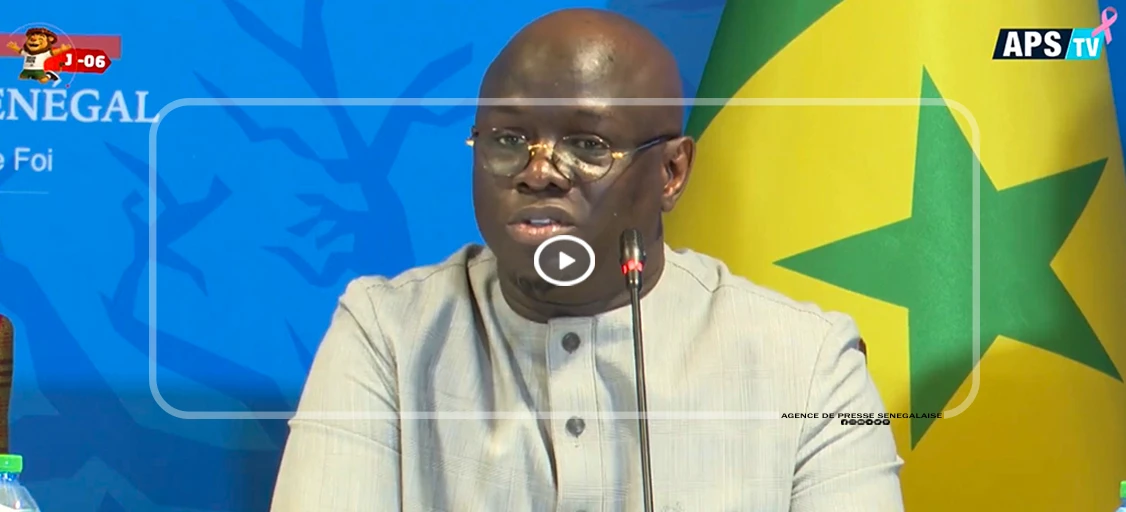
Sénégal: Rejet Projet Loi de Finances, Diba Alerte sur les Conséquences
Summary
- Senegal's Minister of Economy, Finance, and Planning, Cheikh Diba, has warned about severe budgetary constraints facing the state.
- These constraints are driven by declining public revenues, increasing expenditures, and accumulating payment arrears.
- Minister Diba emphasized the significant negative consequences for the nation's economic stability if the proposed Finance Bill is rejected.
- A rejection would lead to fiscal instability, disrupting public spending, impacting government contracts, and altering fiscal policy.
- Legal and compliance professionals in Senegal should closely monitor the legislative process due to potential shifts in the regulatory and economic environment.
Ministerial Warning on Fiscal Challenges
A potential rejection, as highlighted by Minister Cheikh Diba, would not merely be a political event but a significant legal and regulatory challenge.
Cheikh Diba, who serves as Senegal's Minister of Economy, Finance, and Planning, recently highlighted the substantial budgetary pressures currently confronting the state. His remarks underscored a challenging financial climate marked by several critical issues that are placing a strain on the national treasury and overall economic stability.
The Minister specifically pointed to a concerning trend of decreasing public revenues, which directly impacts the government's capacity to fund essential services and development initiatives. Concurrently, he noted a rise in public expenditures, further intensifying the financial burden. Adding to these difficulties is the growing accumulation of payment arrears, indicating a backlog of outstanding financial obligations that the state has yet to settle.
Against this backdrop of fiscal strain, Minister Diba issued a clear warning regarding the potential repercussions should the proposed Finance Bill, known as the *projet de loi de finances*, fail to secure legislative approval. He stressed that a rejection of this crucial legislative instrument would lead to significant negative consequences for the nation's economic framework and financial management, urging careful consideration of its passage.
Senegal's Current Budgetary Landscape
The budgetary constraints articulated by Minister Cheikh Diba provide a stark overview of the economic tightrope Senegal is navigating. The decline in public revenues means fewer resources are available for critical government functions, including infrastructure development, social programs, and public services, potentially leading to reduced public investment and a deceleration of economic growth. This situation directly challenges the government's ability to meet its financial commitments and plan for future prosperity.
Simultaneously, the increase in government expenditures, often driven by factors such as public service demands, subsidies, or unforeseen national needs, places additional pressure on an already shrinking revenue base. This fundamental imbalance between incoming funds and outgoing costs presents a significant challenge for the national treasury. The accumulation of payment arrears further complicates the fiscal picture, as it signifies delayed payments to various stakeholders, including suppliers and contractors, which can have a detrimental ripple effect across the broader economy by affecting liquidity and business confidence.
These interconnected financial pressures underscore the paramount importance of the annual Finance Bill. This legislative document is meticulously crafted to address these very issues by outlining the government's projected revenues and planned expenditures for the upcoming fiscal year, alongside proposed fiscal policies aimed at managing national debt and guiding economic direction. Its timely approval is essential for establishing a clear financial framework and ensuring the uninterrupted continuity of state operations.
Consequences of a Finance Bill Rejection
The warning from Minister Diba concerning the potential rejection of the *projet de loi de finances* carries substantial weight, particularly regarding the stability of the Senegalese budget. Such an outcome could thrust the nation into a period of considerable fiscal uncertainty, severely disrupting planned public spending and potentially necessitating emergency financial measures. The absence of an approved budgetary framework would significantly impede the effective operation of government ministries and agencies, impacting service delivery and the implementation of vital projects.
A rejection would also have profound implications for Senegal's fiscal policy. It could force a re-evaluation of economic priorities, potentially leading to austerity measures, delays in critical investments, or a search for alternative funding sources under less favorable conditions. The
Practical Implications
Lawyers and compliance officers in Senegal should closely monitor the legislative process for the proposed Finance Bill. A potential rejection, as warned by Minister Cheikh Diba, could lead to significant budgetary instability, changes in public spending, or shifts in fiscal policy, directly impacting business operations, government contracts, and compliance with financial regulations.
Source
How does this affect you?
Get an AI analysis of this article grounded in your jurisdictions, practice areas, and any policy documents you've uploaded to Wansom.
Finish Reading the Full Story and the Expert Analysis.
Get the latest legal & regulatory intelligence in Senegal
Wansom is AI and can make mistakes.