
Sénégal: Réforme Code Pétrolier Parlement Débat Suspendu
Summary
- Senegalese deputies were scheduled to review a proposed modification to the Petroleum Code as part of an extraordinary parliamentary session from September 29 to October 2, but its examination has been suspended.
- A key proposal, previously rejected by the government, sought to require parliamentary approval of oil contracts before presidential signature.
- These legislative discussions occur amidst significant political tensions between the ruling Pastef majority and the Executive regarding transparency and control of public funds.
- The debates extend to broader issues of government accountability, including the President's asset declaration and the 2027 Budget.
- The outcome of this parliamentary examination could significantly alter the regulatory landscape for energy companies operating in Senegal, particularly concerning contract approval and transparency requirements.
Parliamentary Scrutiny of Key Legislation
The push for greater transparency in Contrats pétroliers Sénégal and the broader political disagreements surrounding oversight of public funds could reshape the operational environment for energy companies.
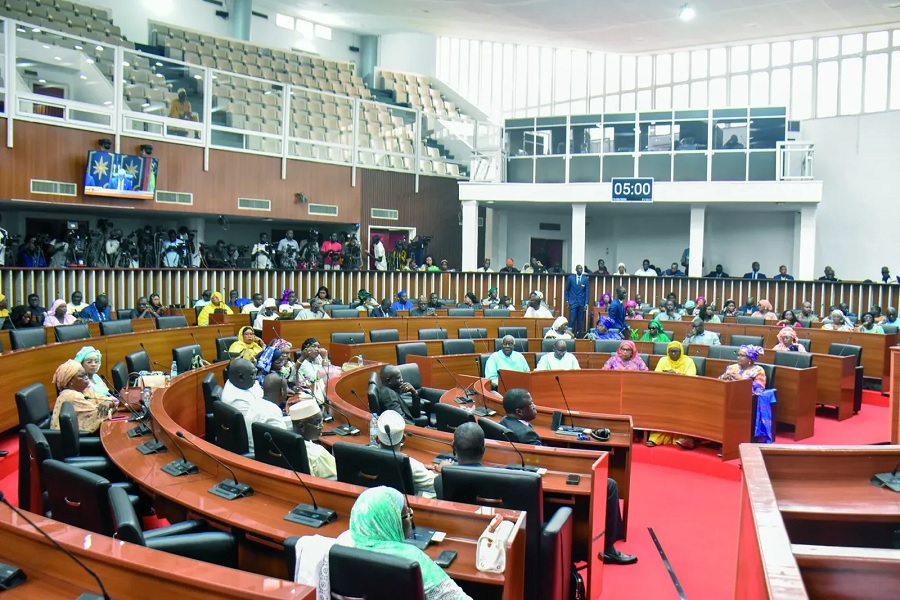
Senegalese deputies commenced the plenary sessions of the National Assembly's third extraordinary session on Tuesday, September 29. These crucial deliberations are scheduled to continue until Friday, October 2, during which lawmakers are tasked with reviewing several significant legislative texts on their agenda. Among the key items slated for examination was a proposed modification to the Petroleum Code, which was set for discussion on Tuesday afternoon, but its examination has since been suspended following a referral to the Constitutional Council by the government.
Beyond the `Sénégal réforme Code pétrolier parlement`, the legislative calendar includes other important matters. On Tuesday morning, deputies were to consider a bill aimed at amending the regulations governing the biometric CEDEAO identity card, a text to be defended by the Ministry of Interior and Public Security. Wednesday, September 30, is dedicated to a proposal concerning mental health within correctional facilities. The extraordinary session underscores a period of intense legislative activity and political debate within the `Assemblée nationale Sénégal`.
Proposed Reforms to Senegal's Petroleum Code and Transparency
A central point of contention and legislative focus is the proposed modification to the `Code pétrolier Sénégal`, though its parliamentary examination has been suspended. This reform is particularly significant given the broader political climate. One of the three legislative proposals put forth by the majority, which was subsequently rejected by the government in commission, specifically called for the presentation of `Contrats pétroliers Sénégal` to the National Assembly for review before their final presidential signature. This initiative highlights a push for increased parliamentary oversight and transparency in the nation's vital energy sector.
The debate surrounding the `Loi pétrolière sénégalaise` is intertwined with a wider discussion on governmental accountability and the management of public resources. The rejected proposal regarding oil contracts reflects a desire from the parliamentary majority to assert greater control over agreements that could have substantial long-term implications for the country. The ongoing examination of the Petroleum Code reform is thus a critical juncture for the future of `Droit pétrolier Sénégal`.
Deepening Political Divisions and Oversight Battles
The parliamentary proceedings unfold against a backdrop of significant disagreements between the Pastef majority in the National Assembly and the Executive. These tensions are particularly pronounced concerning special credits and the oversight of political funds. The government's rejection of most of the three legislative proposals from the majority, including those on oil contracts, mental health in prisons, and the regulation of special funds, underscores this political friction.
Further escalating the dispute, the government referred a bill concerning the legal framework for special credits to the Constitutional Council, seeking to have it declared inadmissible. This controversy is part of a broader national dialogue on transparency, encompassing the President's asset declaration and the 2027 Budget also central to debates on transparency and the use of public funds. Aminata Touré, who is currently the High Representative of the President of the Republic, Bassirou Diomaye Faye, has publicly supported the Constitutional Council's involvement, urging institutions to respect their constitutional mandates while also cautioning Pastef. This power struggle persists even though the new government was formed without official Pastef representation, despite the party holding a majority in the National Assembly, though President Bassirou Diomaye Faye and several ministers are members of Pastef. An organic law proposal on finance laws, aimed at regulating and controlling special presidential expenses, was adopted by the Assembly but subsequently censored by the Executive through a blocked vote. These issues extend beyond mere parliamentary procedure, with the President's asset declaration and the 2027 Budget also central to debates on transparency and the use of public funds. Additionally, the agenda for Friday, October 2, includes the report from the parliamentary information mission on the commercialization of Softcare brand products, scheduled for 10 AM.
Implications for Senegal's Energy Sector
The ongoing parliamentary examination of the `Sénégal réforme Code pétrolier parlement` carries significant implications for the nation's energy landscape. The push for greater transparency in `Contrats pétroliers Sénégal` and the broader political disagreements surrounding oversight of public funds could reshape the operational environment for energy companies. Potential changes to the approval processes for oil and gas agreements, coupled with enhanced transparency requirements, necessitate close monitoring by legal and compliance teams.
The outcome of these legislative and political battles will directly influence the regulatory framework governing oil and gas exploration and production in Senegal. Lawyers advising energy companies should pay particular attention to how these reforms might impact future compliance obligations and the overall stability of the `Droit pétrolier Sénégal`. The current parliamentary session, marked by intense debate and political maneuvering, is a critical period for understanding the evolving legal and regulatory landscape of Senegal's energy sector.
Practical Implications
Lawyers advising energy companies in Senegal should closely monitor the ongoing parliamentary examination of the Petroleum Code reform, as potential changes to contract approval processes and transparency requirements could significantly impact future oil and gas operations and compliance obligations.
Source
Source: Original reporting via Seneplus
How does this affect you?
Get an AI analysis of this article grounded in your jurisdictions, practice areas, and any policy documents you've uploaded to Wansom.
Finish Reading the Full Story and the Expert Analysis.
Get the latest legal & regulatory intelligence in Senegal
Wansom is AI and can make mistakes.