
Sénégal Premier Ministre: Demands Transparence in Ports
Summary
- Senegal's Prime Minister Ahmadou Alhaminou Mohamed LO called for increased transparency and integrity in port governance at the first MACN Forum Sénégal.
- This initiative is part of the "Sénégal 2050" national agenda and addresses past allegations of corruption and mismanagement at the Port of Dakar.
- Proposed reforms include harmonizing procedures, digitalizing port and customs formalities, and enhancing coordination among stakeholders.
- The future Port of Ndayane is slated to become a model for digitalization, operational fluidity, and transparency.
- The government seeks concrete commitments, responsibilities, and an execution timeline from the forum, potentially overseen by a national monitoring committee.
Sénégal Prioritizes Port Transparency
The Prime Minister's address underscored that merely modernizing port infrastructure is insufficient to guarantee the sector's optimal performance.
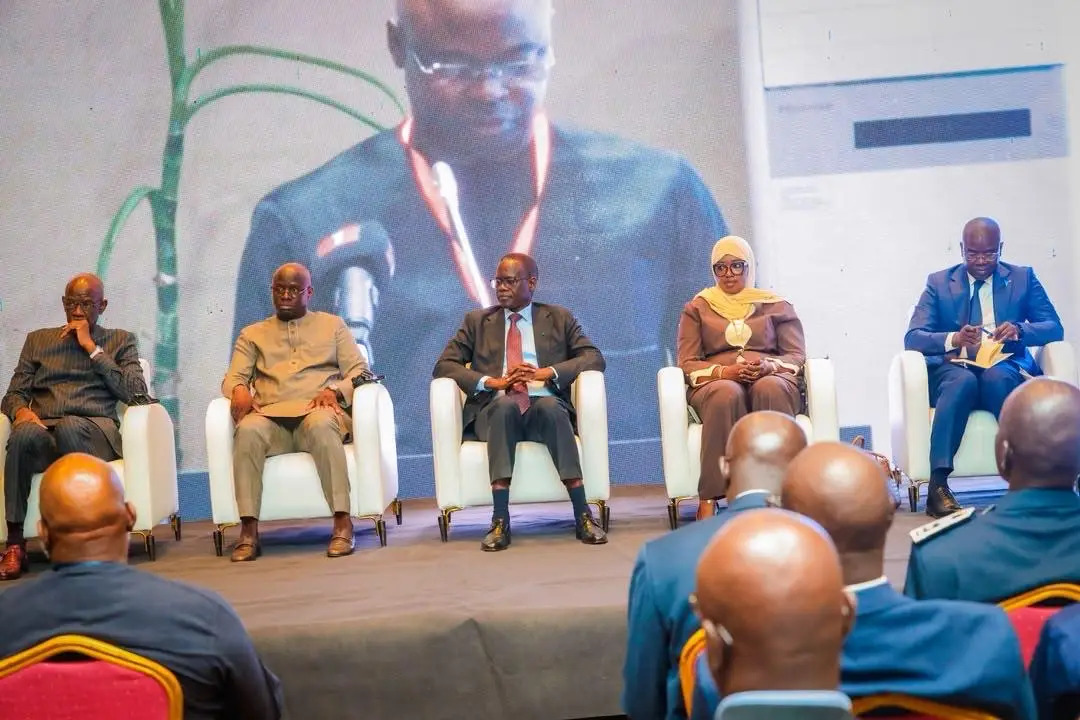
Senegal's Prime Minister, Ahmadou Alhaminou Mohamed LO, has issued a strong call for enhanced transparency and integrity within the nation's port governance. Speaking at the inaugural Maritime Anti-Corruption Network (MACN Forum Sénégal), the Prime Minister underscored that merely modernizing port infrastructure is insufficient to guarantee the sector's optimal performance. This strategic objective is firmly integrated into the national transformation blueprint, "Sénégal 2050," a key initiative championed by President Bassirou Diomaye Diakhar Faye.
Allegations Fuel Reform Imperative
The urgency behind the Prime Minister's appeal is significantly amplified by prior allegations of mismanagement and impropriety at the Port of Dakar. In April 2024, the newspaper Yoor Yoor Bi reported serious accusations, including nepotism, abuse of power, and financial mismanagement. These claims detailed the recruitment of over 1,000 agents in less than two years, the allocation of 4x4 vehicles, and substantial bonuses distributed to individuals closely associated with the director-general.
These Port de Dakar corruption allégations prompted prominent figures, such as Alioune Tine, to express "100% agreement" for a thorough audit at the time. Such reports lend particular weight to the current governmental push for strengthened controls and greater accountability within port operations. Furthermore, the broader discussion extends to the oversight of concession contracts, with Alboury Diop, a port executive, having proposed an exhaustive audit of these agreements to Director-General Doun Pathé Mbengue in July 2026, aiming to safeguard Senegal's strategic interests as part of eight proposed reforms for logistical sovereignty.
Strategic Reforms for Governance
To achieve the ambitious goals for gouvernance portuaire Sénégal réformes, Prime Minister Ahmadou Alhaminou Mohamed LO outlined three critical areas of action. The first involves the harmonization and comprehensive documentation of procedures, ensuring they are readily accessible to all users. This measure is designed to curb arbitrary interpretations and abusive practices, thereby guaranteeing equitable treatment for all operators engaging with the ports.
The second pillar focuses on the dématérialisation formalités portuaires and customs processes, alongside the interconnection of information systems. This digitalization effort is intended to streamline the tracking of operations and enhance the efficiency of complaint resolution. Finally, the third area emphasizes improved coordination and accountability among various stakeholders, including public administrations, private operators, port authorities, and security services. These reforms are integral to the broader Port Logistics Optimization and Modernization Program, which also encompasses process automation and the development of integrated logistics zones.
A Vision for Future Port Operations
The ongoing development of new port facilities, specifically those at Sendou and Ndayane, plays a crucial role in this transformative agenda. Their impending operational launch is viewed as a significant milestone within the modernization program. Notably, the future Port of Ndayane is envisioned by the Prime Minister as a benchmark for digitalization, operational fluidity, and procedural transparency, setting a new standard for the nation's maritime infrastructure.
The Prime Minister also encouraged participants at the MACN Forum Sénégal to explore international best practices, citing Nigeria's experience as an example, while cautioning against the mechanical adoption of foreign models. The ultimate aim for the forum is to generate concrete commitments, clearly defined responsibilities, and a precise timeline for implementation. Among the proposed mechanisms to ensure this progress is the establishment of a national monitoring committee, tasked with overseeing the execution of these vital reforms.
Practical Implications
Lawyers advising clients involved in maritime trade or port operations in Senegal should anticipate significant regulatory changes, increased scrutiny, and potentially new compliance requirements related to anti-corruption and transparency. Compliance officers should review their internal procedures for engaging with Senegalese port authorities and ensure alignment with upcoming digitalization and transparency initiatives to mitigate risks of bribery or procedural non-compliance.
Source
How does this affect you?
Get an AI analysis of this article grounded in your jurisdictions, practice areas, and any policy documents you've uploaded to Wansom.
Finish Reading the Full Story and the Expert Analysis.
Get the latest legal & regulatory intelligence in Senegal
Wansom is AI and can make mistakes.