
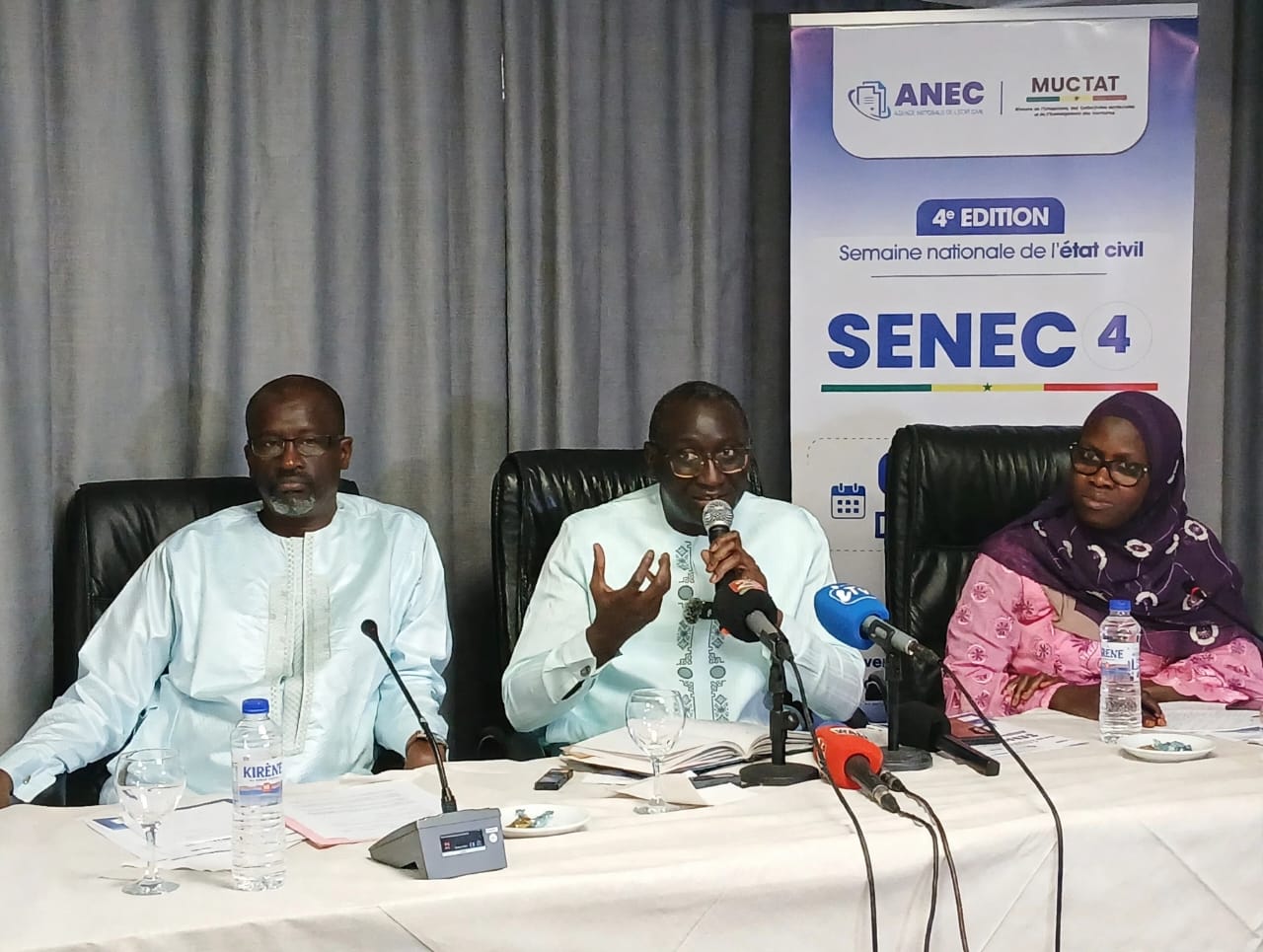
Senegal Prepares Major Civil Status Reform; National Consultations Planned
Senegal is preparing a major reform of its civil status system, with national consultations scheduled for December 5-12, 2026, to enhance the reliability of civil acts, accelerate digitalization, and improve service accessibility for citizens.
This impending reform holds significant legal implications for practitioners, businesses, and the public in Senegal. Accurate and accessible civil records are foundational to numerous legal processes, including establishing identity, proving lineage for inheritance, validating marriages, and ensuring property rights. The proposed digitalization efforts could streamline administrative procedures, reduce processing times, and mitigate the risk of fraud, thereby enhancing legal certainty and efficiency across various sectors. For businesses, reliable civil data can impact contractual agreements, employee verification, and compliance with regulatory requirements.
The legal context for this reform primarily involves Senegal's existing civil status laws, which are typically enshrined in the Code de la Famille and specific decrees governing civil registration. The consultations will likely address potential amendments to these statutes, the introduction of new regulations for digital records, and the establishment of robust data protection frameworks. The court hierarchy, from local courts to higher tribunals, relies heavily on the integrity of civil status documents for adjudicating cases related to family law, succession, and administrative disputes. The reform aims to modernize a system that, in many jurisdictions, has historically faced challenges with record keeping and accessibility.
The key parties involved in this initiative include the Senegalese government, particularly the ministry responsible for civil status, and potentially other ministries overseeing digitalization and public administration. Citizens are central to the consultations, as their input will shape the reforms, and they are the ultimate beneficiaries of an improved system. Legal professionals, civil society organizations, and technology providers may also play a role in the consultative process and subsequent implementation.
Practitioners should closely monitor the legislative and regulatory developments arising from these national consultations. Specific areas of interest include the legal validity and evidentiary weight of digital civil status acts, new procedures for obtaining or rectifying records, and the implications for data privacy and security. Attorneys specializing in family law, property law, administrative law, and corporate law will need to understand these changes to advise clients effectively, ensuring compliance and leveraging the benefits of a modernized civil status system. The outcome of these consultations is not yet reported, but they are expected to lay the groundwork for significant legal and administrative changes.
How does this affect you?
Get an AI analysis of this article grounded in your jurisdictions, practice areas, and any policy documents you've uploaded to Wansom.
Finish Reading the Full Story and the Expert Analysis.
Get the latest legal & regulatory intelligence in Senegal
Wansom is AI and can make mistakes.