
Sénégal: PM Lô Defends LFR 2026 Budget Cuts Amid Debate
Summary
- Prime Minister Ahmadou Al Aminou Lô defended Senegal's Rectified Finance Law (LFR) 2026 after its rejection by a parliamentary commission.
- The LFR proposes a 555 billion CFA franc cut in investment credits due to a 340 billion CFA franc shortfall in projected state revenues.
- Energy subsidies are slated to increase from 250 billion to 790 billion CFA francs, with plans for gradual reform and targeted social support.
- An initial 300 billion CFA francs will be allocated to begin settling the state's 1,956 billion CFA franc payment arrears.
- Opposition deputies, led by Ousmane Sonko, are challenging the budget adjustments and have stated they will not approve the LFR in its current form.
What Happened
The government's plan to allocate 300 billion CFA francs towards settling the substantial 1,956 billion CFA francs in state payment arrears could provide critical treasury support for creditor companies, particularly small and medium-sized enterprises.
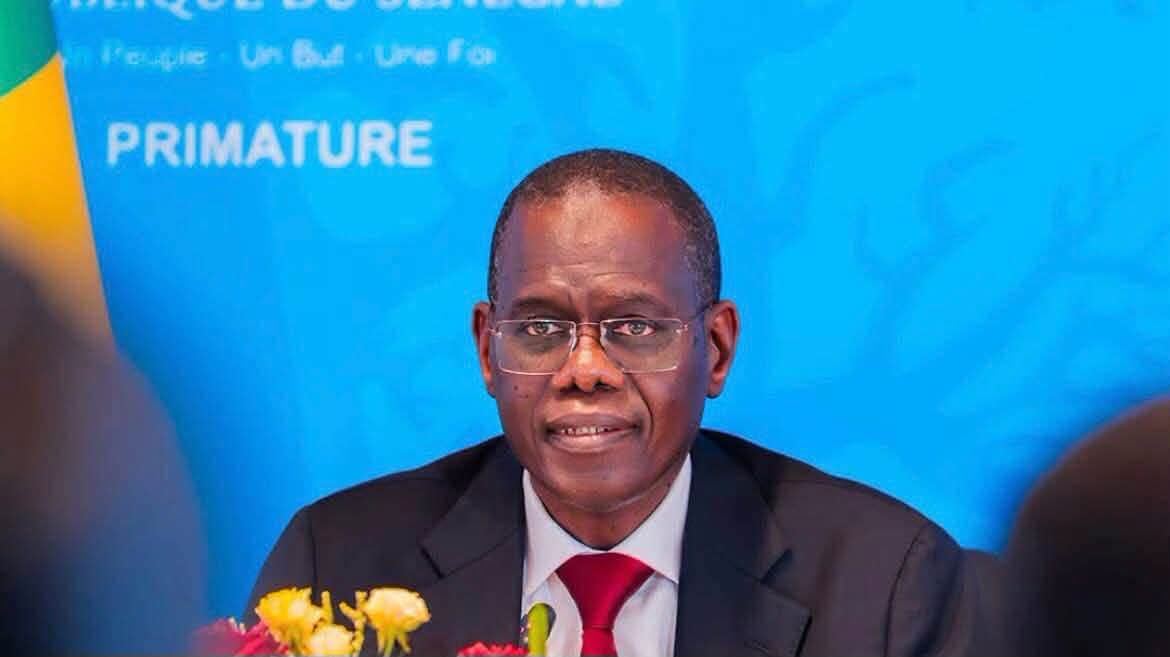
Prime Minister Ahmadou Al Aminou Lô recently stepped forward to defend the government's proposed Rectified Finance Law (LFR) for 2026, a critical legislative package that had faced rejection by a parliamentary commission just days prior. The LFR, which is now slated for a plenary session, seeks to address significant fiscal challenges stemming from an unexpected shortfall in state revenues. This revenue deficit is primarily attributed to the Economic and Social Recovery Program (PRES) not generating the anticipated funds.
In his defense, Prime Minister Lô pointed to the revenue projections prepared under the previous administration, led by Ousmane Sonko, who currently serves as the President of the National Assembly, suggesting that these earlier forecasts were overly optimistic. The government now estimates a substantial reduction of 340 billion CFA francs in expected revenues. This fiscal adjustment necessitates difficult choices, including a proposed 555 billion CFA franc cut in investment credits, with some projects earmarked for postponement until 2027. These proposed cuts and the underlying revenue forecasts have become a central point of contention, leading to the LFR's initial rejection by deputies who voiced concerns about the potential adverse effects on national infrastructure, public services, and overall economic activity.
Key Budgetary Adjustments
The LFR 2026 outlines several significant financial reallocations and adjustments. Beyond the 340 billion CFA franc decrease in anticipated state revenues and the corresponding 555 billion CFA franc reduction in investment spending, the budget also addresses the complex issue of energy subsidies. The government proposes a substantial increase in the energy subsidy envelope, moving from 250 billion to approximately 790 billion CFA francs. This decision, according to the executive, is driven by the rising cost of energy and a deliberate policy choice to shield households from bearing the full burden of these increased expenses. The administration has also indicated plans for a gradual reform of these support mechanisms, aiming to better target vulnerable populations and enhance social transfers, such as family security grants.
Further fiscal discipline is evident in the planned 180 billion CFA franc savings from administrative operations. These economies are slated to come from various areas, including general administrative expenses, supplies, and the costs associated with seminars, conferences, and official ceremonies. A crucial component of the LFR also addresses the substantial issue of state payment arrears, which the government has quantified at 1,956 billion CFA francs. To begin tackling this burden, an initial allocation of 300 billion CFA francs has been earmarked for the commencement of these payments.
Political and Legal Context
The debate surrounding the Loi de Finances Rectificative 2026 Sénégal has escalated into a significant political standoff between the executive and legislative branches. Following the LFR's rejection by the finance commission, Prime Minister Ahmadou Al Aminou Lô urged opposing parliamentarians to engage in constructive dialogue and submit precise amendments, referencing the constitutional right to amend legislation, specifically within the limits set by Article 82 of the Constitution. He also expressed his readiness to appear before the National Assembly, accompanied by relevant ministers, to address deputies' questions and concerns.
However, the opposition, particularly the Pastef deputies, has strongly contested the government's budgetary decisions, including those concerning subsidies, investments, and social expenditures. Ousmane Sonko, the leader of Pastef and President of the National Assembly, has publicly declared that his parliamentary group will not vote for the LFR in its current form. He has also challenged the Prime Minister to a public debate on the matter, signaling a deepening institutional conflict ahead of the scheduled plenary session on Tuesday, October 27.
Why It Matters
The ongoing debate over the Sénégal LFR 2026 budget cuts carries profound implications for the nation's economic stability and future development. The proposed 555 billion CFA franc reduction in investment credits, if enacted, could significantly impact the progress of critical infrastructure projects and public services, potentially slowing economic growth and affecting various sectors. Businesses involved in public contracts and infrastructure development face uncertainty regarding project timelines and funding.
Conversely, the government's plan to allocate 300 billion CFA francs towards settling the substantial 1,956 billion CFA francs in state payment arrears could provide critical treasury support for creditor companies, particularly small and medium-sized enterprises. This measure is vital for improving liquidity and ensuring the financial health of businesses that have long awaited payment from the state. The adjustments to energy subsidies, while designed to protect households, will also have ripple effects on energy-intensive industries and the broader economic landscape, requiring careful monitoring by businesses operating in Senegal. The outcome of this legislative battle will not only shape Senegal's fiscal trajectory but also set a precedent for the relationship between its executive and legislative powers.
Practical Implications
Lawyers advising businesses in Senegal, particularly those involved in public contracts, infrastructure projects, or sectors affected by government subsidies, must closely monitor the final adoption and provisions of the LFR 2026. The proposed cuts to investment credits and changes to subsidy structures, alongside plans to address state payment arrears, will directly impact financial planning, project viability, and cash flow for many entities.
Source
How does this affect you?
Get an AI analysis of this article grounded in your jurisdictions, practice areas, and any policy documents you've uploaded to Wansom.
Finish Reading the Full Story and the Expert Analysis.
Get the latest legal & regulatory intelligence in Senegal
Wansom is AI and can make mistakes.