
Sénégal Députés Rejettent Budget 2027 du Ministère des Affaires Étrangères
Summary
- Senegalese parliamentarians rejected the proposed 2027 budget for the Ministry of Foreign Affairs on November 10, 2026.
- The rejection stemmed from concerns over the sincerity and reliability of the ministry's revenue and expenditure forecasts.
- The proposed 2027 budget included 75.35 billion FCFA in payment credits and 77.96 billion FCFA in engagement authorizations.
- This decision by the Commission of Finance and Budgetary Control and the Commission of Foreign Affairs marks a departure from the 2026 budget adoption.
- The 2026 budget for the ministry was 64.96 billion FCFA in payment credits.
Parliamentary Rejection of Foreign Affairs Budget
Lawyers advising entities with international dealings or those reliant on government foreign affairs initiatives in Senegal should closely monitor the revised budget process.
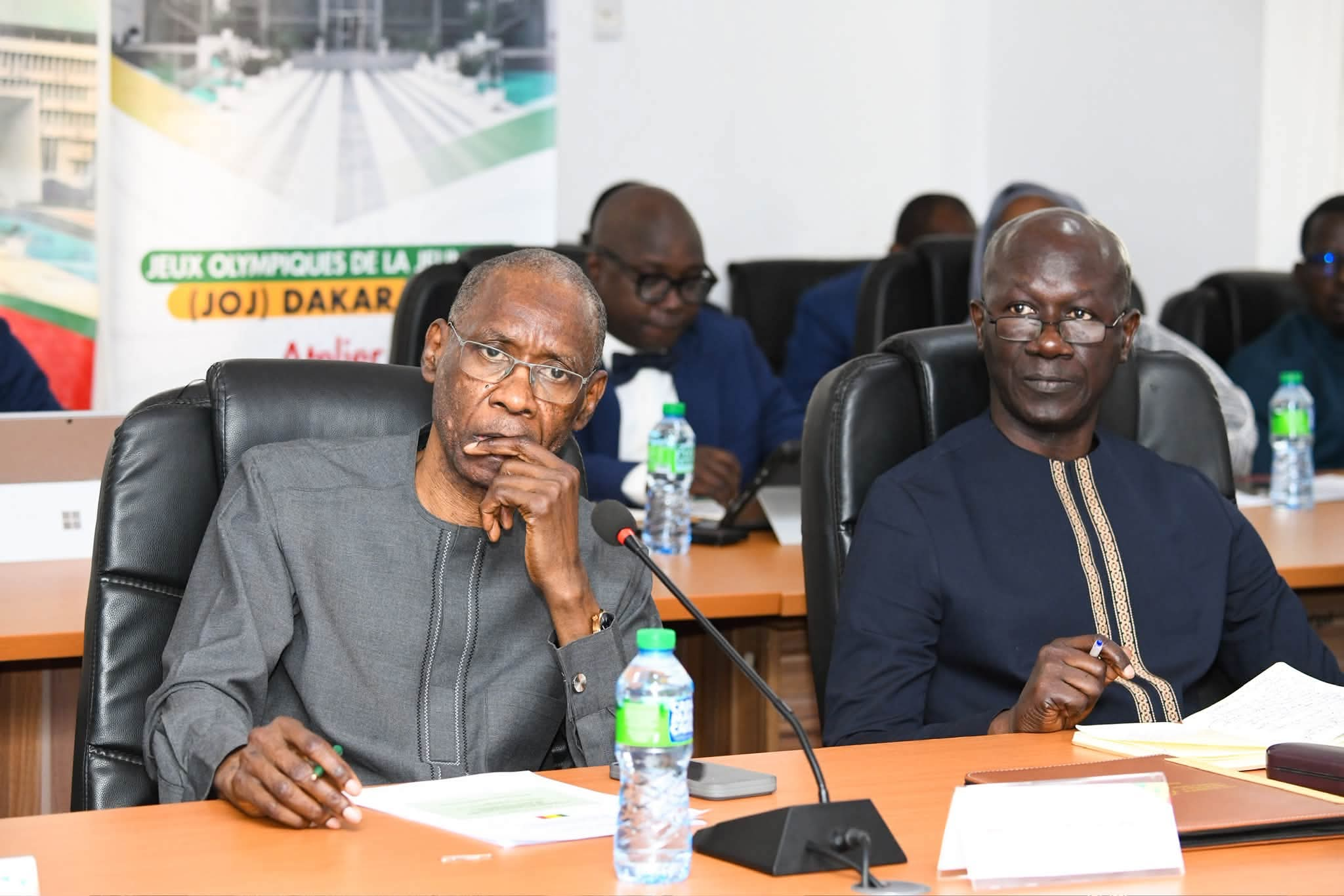
Senegalese lawmakers recently declined to approve the proposed 2027 budget for the Ministry of African Integration, Foreign Affairs, and Senegalese Abroad. This decision, made on Tuesday, November 10, 2026, by members of the Commission of Finance and Budgetary Control, alongside the Commission of Foreign Affairs, followed significant concerns raised by several parliamentarians. The core issue revolved around doubts regarding the veracity and dependability of the financial projections for both revenues and expenditures presented by the ministry.
The rejected budget proposal for 2027 had outlined substantial figures, including 75,349,141,771 FCFA in payment credits and 77,955,203,599 FCFA in engagement authorizations. This stands in contrast to the 2026 budget, which had allocated 64.96 billion FCFA in payment credits to the ministry. The deputies' collective decision to not adopt the budget underscores a clear demand for greater transparency and accuracy in governmental financial planning, particularly concerning the nation's international engagements.
Heightened Legislative Scrutiny
The rejection of the budget 2027 ministère Affaires étrangères Sénégal highlights an intensified level of legislative oversight within the Senegalese parliament. The joint session of the Commission des Finances et du Contrôle budgétaire Sénégal and the Commission des Affaires étrangères meticulously examined the prévisions budgétaires Sénégal 2027. Their collective reservations ultimately led to the unprecedented decision to reject the financial blueprint. This rigorous review process indicates a growing assertiveness from the legislative branch in scrutinizing government spending and financial forecasts.
This outcome marks a notable departure from previous budget cycles. For instance, in 2025, the relevant parliamentary commission had approved the 2026 budget project for the same ministry on November 14 without similar reported issues. The current rejection signals that future budget proposals, particularly the loi de finances Sénégal, will likely face even more stringent examination, with parliamentarians demanding robust justification for all projected figures. The decision by the Sénégal députés rejettent budget Affaires étrangères 2027 sets a precedent for increased accountability.
Implications for International Engagements
The parliamentary decision to reject the budget 2027 for the Ministry of Foreign Affairs carries significant implications for Senegal's diplomatic activities and international relations. Lawyers advising entities with international dealings or those reliant on government foreign affairs initiatives in Senegal should closely monitor the revised budget process. The initial rejection signals heightened parliamentary scrutiny over financial forecasts and could impact the ministry's operational capacity and policy implementation, potentially affecting international agreements or diplomatic engagements.
A delay in the finalization of the ministry's budget could impede its ability to execute planned initiatives, participate in international forums, or maintain its network of diplomatic missions effectively. The need for the ministry to revise its financial projections and resubmit a proposal that satisfies parliamentary concerns means that the final approved budget might differ substantially from the initial figures. This situation underscores the critical role of the legislative body in shaping the financial framework for the nation's foreign policy.
Practical Implications
Lawyers advising entities with international dealings or those reliant on government foreign affairs initiatives in Senegal should monitor the revised budget process for the Ministry of Foreign Affairs. The initial rejection signals heightened parliamentary scrutiny over financial forecasts and could impact the ministry's operational capacity and policy implementation, potentially affecting international agreements or diplomatic engagements.
Source
Source: Original reporting via EMedia
How does this affect you?
Get an AI analysis of this article grounded in your jurisdictions, practice areas, and any policy documents you've uploaded to Wansom.
Finish Reading the Full Story and the Expert Analysis.
Get the latest legal & regulatory intelligence in Senegal
Wansom is AI and can make mistakes.