
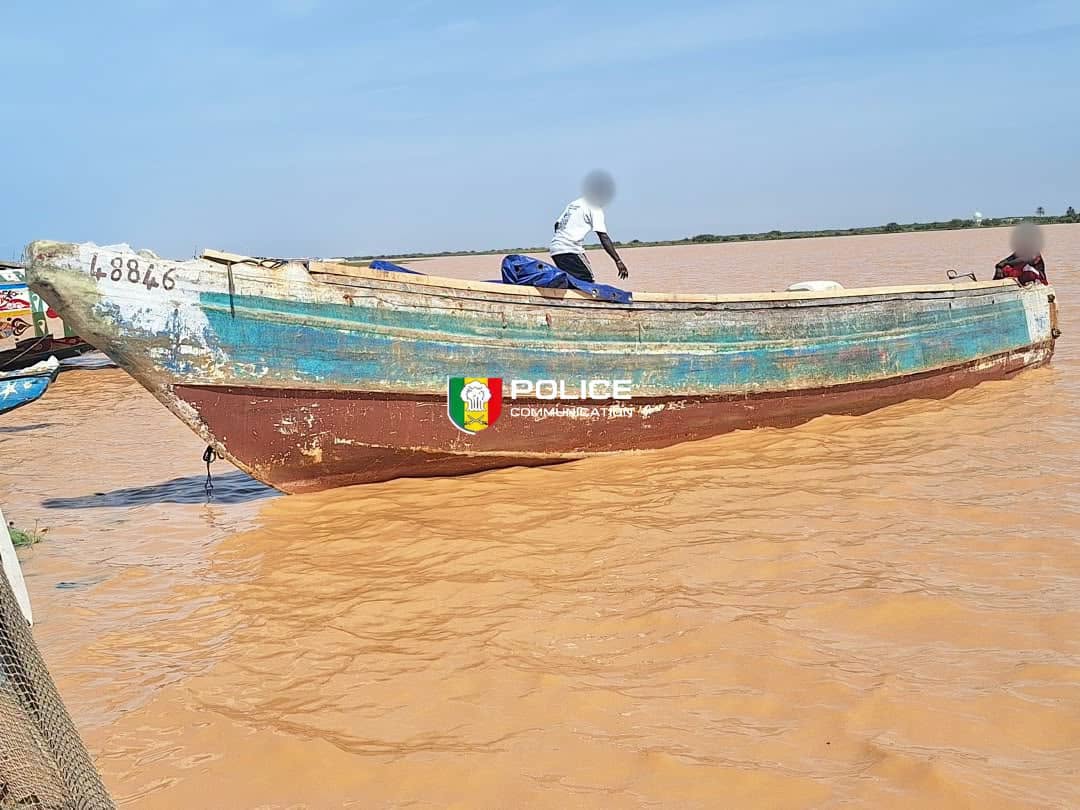
DNLT Saint-Louis: Migrant Trafficking Network Disrupted, 5 Arrested
Summary
- The DNLT's Saint-Louis regional branch apprehended five individuals on October 31, 2026.
- These arrests resulted from three distinct operations conducted in the Hydrobase neighborhood.
- The individuals face charges including criminal association and attempted migrant trafficking by sea.
- The operations successfully dismantled a migrant trafficking network.
What Happened
Legal professionals advising clients on immigration, labor, or human rights issues in Senegal should be acutely aware of this intensified enforcement environment and the potential legal exposure for those implicated.
The regional office of the Division nationale de lutte contre le trafic de migrants et pratiques assimilées (DNLT) in Saint-Louis recently concluded a significant enforcement action, leading to the apprehension of five individuals. These arrests, which took place on October 31, 2026, were the result of three distinct operations meticulously planned and executed to target illicit activities within the Hydrobase neighborhood. This concerted effort by the DNLT has successfully disrupted a sophisticated "DNLT Saint-Louis migrant trafficking network" operating in the region, marking a critical step in combating organized crime.
The individuals taken into custody are facing serious legal charges under Senegalese law, specifically including "association de malfaiteurs", or criminal association, and "tentative de trafic de migrants par voie maritime", which refers to attempted migrant trafficking by sea. The precision and coordination of these operations underscore the growing commitment of Senegalese authorities to combat "Senegal migrant smuggling operations" that exploit vulnerable populations. The Hydrobase area, where these interventions occurred, has been identified as a persistent focal point for such illicit activities, making the dismantling of this particular "Hydrobase migrant network" especially impactful.
Legal Context and Enforcement
The charges of "association de malfaiteurs" and attempted migrant trafficking by sea carry substantial legal penalties under Senegalese law, reflecting the severe nature of these transnational crimes. The involvement of the Division nationale lutte trafic migrants, a highly specialized unit, highlights the government's strategic and dedicated approach to addressing human trafficking and irregular migration. This agency is specifically mandated to investigate and prosecute such offenses, providing a robust legal and operational framework for enforcement against complex criminal networks.
The proactive stance demonstrated by the DNLT in these recent "Saint-Louis human trafficking arrests" signals a heightened period of scrutiny for any individuals or groups suspected of involvement in cross-border movements or recruitment activities that could facilitate illegal migration. Legal professionals advising clients on immigration, labor, or human rights issues in Senegal should be acutely aware of this intensified enforcement environment and the potential legal exposure for those implicated. The successful dismantling of the "Hydrobase migrant network" serves as a clear and unequivocal warning to those who might consider engaging in similar illicit enterprises.
Broader Implications
The successful dismantling of this "DNLT Saint-Louis migrant trafficking network" on October 31, 2026, represents more than just a series of arrests; it signifies a robust and determined response to a persistent regional challenge. The operations conducted in the Hydrobase neighborhood underscore the ongoing battle against criminal organizations that profit from the desperate circumstances of individuals seeking to migrate, often under perilous conditions. This action by the Division nationale lutte trafic migrants is part of a broader national strategy to secure borders, uphold the rule of law, and protect both citizens and migrants from exploitation and dangerous journeys.
The implications of these arrests extend to all actors involved in the migration ecosystem, from recruiters and facilitators to transporters and financial backers. The specific charges, particularly "association de malfaiteurs trafic migrants", indicate that authorities are targeting not just the direct acts of trafficking but also the underlying organizational structures that enable them. This comprehensive approach aims to dismantle these networks from the ground up, thereby reducing the capacity for future "Senegal migrant smuggling operations" and safeguarding human dignity across the region.
Practical Implications
Lawyers advising clients on immigration, labor, or human rights issues in Senegal should note the DNLT's proactive enforcement against migrant trafficking networks, indicating heightened scrutiny and potential legal exposure for individuals or entities involved in cross-border movements or recruitment activities.
Source
How does this affect you?
Get an AI analysis of this article grounded in your jurisdictions, practice areas, and any policy documents you've uploaded to Wansom.
Finish Reading the Full Story and the Expert Analysis.
Get the latest legal & regulatory intelligence in Senegal
Wansom is AI and can make mistakes.