
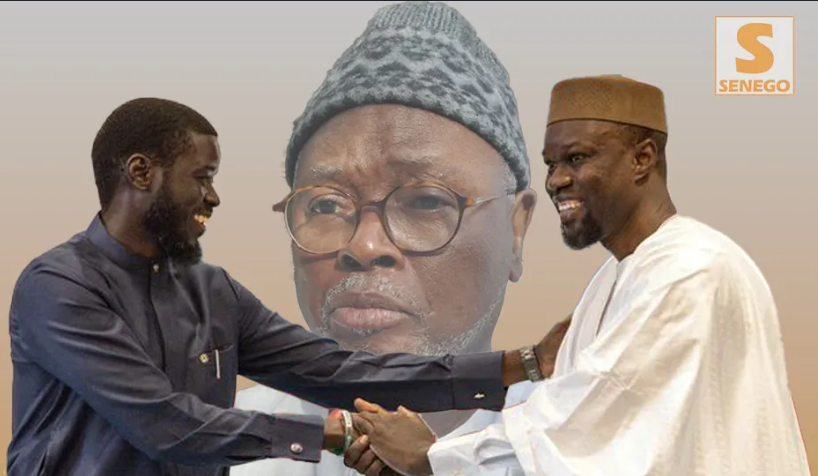
Sénégal: Conflit Exécutif Parlement Inédit, Alioune Tine Analyse
Summary
- Alioune Tine describes an unprecedented power struggle between Senegal's executive and parliament.
- This "bras de fer" deviates from the typical functioning of a presidential regime with a legislative majority.
- In a normal scenario, as per Dominique Rousseau, executive and legislative powers are closely integrated, making separation of powers theoretical.
- Normally, the parliament's power of control diminishes, and it primarily validates government projects.
- The current tension in Senegal signifies a departure from this conventional legislative and executive alignment.
The Unprecedented Power Struggle in Senegal
Lawyers and compliance officers operating in Senegal must closely monitor this constitutional tension, as it directly influences legislative stability, policy implementation, and the overall political risk landscape affecting legal operations and client advice.
Senegal is currently experiencing what has been described as an unprecedented institutional dynamic, marked by a significant power struggle between its executive and legislative branches. This "bras de fer" or showdown between the government and parliament represents a departure from conventional political functioning, prompting considerable attention from constitutional experts. The current "Sénégal conflit exécutif parlement" has been thoroughly analyzed by Alioune Tine, who characterizes the situation as "inédite," or unprecedented, in the nation's political landscape.
This unusual tension arises in a context where the traditional alignment between the executive and a majority-holding parliament is being challenged. Such a scenario typically sees a more harmonious, almost unified, operation between the two branches, particularly in a presidential system where the ruling party commands a legislative majority. The current friction, therefore, signals a notable shift from this expected equilibrium, creating a complex environment for governance and policy implementation.
Alioune Tine's assessment underscores the gravity of this institutional friction. His "analyse constitutionnelle Sénégal" highlights how the ongoing conflict deviates from the established norms of a presidential regime, where a legislative majority usually acts in concert with the executive. This divergence from the expected operational synergy is what makes the current "Tension gouvernement parlement Sénégal" a subject of critical constitutional discourse.
Constitutional Dynamics and the Role of Parliament
To fully grasp the significance of Senegal's current situation, it is crucial to understand the typical functioning of a presidential regime where the executive enjoys a majority in the national assembly. In such a "normal situation," as articulated by constitutional scholar Dominique Rousseau, the executive and legislative powers are often described as "soudés," or closely integrated. This close relationship implies a strong, almost unified front between the government and the parliament.
Within this framework, the traditional concept of the "Séparation des pouvoirs Sénégal" often becomes more theoretical or abstract in practice. Rousseau's analysis suggests that when the executive and legislative branches are so tightly aligned, the parliament's inherent power of control and oversight tends to diminish significantly. Instead of acting as a robust check on executive authority, the legislative body primarily functions to validate and endorse the projects initiated by the government.
Consequently, in these conventionally structured presidential systems with a legislative majority, the government effectively governs with substantial legislative backing, while the parliament's role often shifts towards rubber-stamping executive proposals. This dynamic, where parliamentary scrutiny is reduced and legislative initiatives largely originate from the executive, provides the essential backdrop against which Alioune Tine's characterization of Senegal's current "situation inédite" must be understood, marking a notable departure from this established pattern.
Implications of the Institutional Tension
The emergence of an unprecedented power struggle, or "bras de fer," between the executive and parliament in Senegal carries significant implications for the nation's governance and institutional stability. When the expected alignment and "soudés" relationship between these branches falters, as Alioune Tine observes, it can lead to a "Crise institutionnelle Sénégal," challenging the very foundations of how power is exercised and checked. This departure from the norm, where the parliament typically validates executive projects, introduces uncertainty into the legislative process.
Such a sustained "Sénégal conflit exécutif parlement" can impede the smooth implementation of government policies and legislative initiatives. Instead of the parliament readily endorsing projects, the current tension suggests a more contentious environment, potentially slowing down the legislative agenda and creating obstacles for the executive's ability to govern effectively. This dynamic underscores the importance of a clear understanding of "Droit constitutionnel Sénégal actualité" to navigate the evolving political landscape.
Alioune Tine's "analyse constitutionnelle Sénégal" therefore serves as a critical lens through which to view the potential ramifications of this institutional friction. The shift from a theoretical separation of powers, where parliamentary control is minimal, to a more direct confrontation, signals a period of heightened political risk and uncertainty. Lawyers and compliance officers operating in Senegal must closely monitor this constitutional tension, as it directly influences legislative stability, policy implementation, and the overall political risk landscape affecting legal operations and client advice.
Practical Implications
Lawyers and compliance officers operating in Senegal should monitor this constitutional tension between the Executive and Parliament, as it may influence legislative stability, policy implementation, and the overall political risk landscape affecting legal operations and client advice.
Source
How does this affect you?
Get an AI analysis of this article grounded in your jurisdictions, practice areas, and any policy documents you've uploaded to Wansom.
Wansom is AI and can make mistakes.