
Sénégal Gouvernement: Loi Crédits Spéciaux Référée au Conseil Constitutionnel
Summary
- The Senegalese government has referred a bill on the legal framework for special credits to the Constitutional Council.
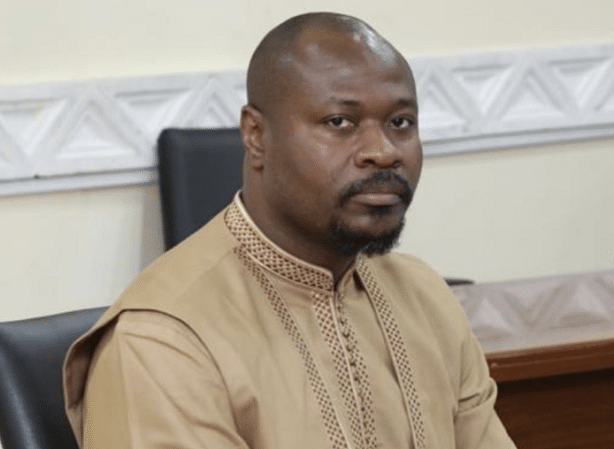
- Deputy Guy Marius Sagna strongly reacted to this move during a PASTEF press conference on Wednesday.
- Sagna accused President Bassirou Diomaye Diakhar Faye of "Sa Fitna" in connection with the government's action.
- The Constitutional Council's review aims to establish the definitive legal regime for these financial mechanisms.
- The Council's decision will significantly impact public finance law and budgetary compliance in Senegal.
Government Seeks Constitutional Review of Special Credits Bill
Legal professionals in Senegal should closely monitor the Constitutional Council's review of the special credits bill, as its decision will establish the definitive legal framework for these financial mechanisms, impacting public finance law, budgetary compliance, and the validity of related government actions.
The Senegalese government has formally referred a proposed legislative text concerning the legal framework for special credits to the Constitutional Council for review. This move aims to establish the definitive legal regime governing these financial mechanisms, a critical step in public finance management. The specific details of the bill, referred to as a 'proposition de loi,' indicate a governmental initiative to clarify or modify the existing rules surrounding the allocation and use of special budgetary appropriations.
In response to this governmental action, Deputy Guy Marius Sagna expressed strong disapproval. Speaking at a press conference held by the PASTEF political party on Wednesday, Sagna voiced his objections to the government's decision to involve the Constitutional Council in this legislative process. His public remarks underscored a significant political divergence regarding the handling of this particular bill.
During the same press briefing, Deputy Sagna went further, leveling a direct accusation against President Bassirou Diomaye Diakhar Faye. Sagna accused the head of state of "Sa Fitna," a strong term implying discord or sedition, highlighting the contentious nature of the government's approach to the special credits legislation and the broader political climate surrounding it.
Legal Context of Special Credits and Constitutional Oversight
Special credits represent a crucial, albeit often exceptional, instrument within public finance, allowing governments to allocate funds for unforeseen or urgent expenditures outside the standard budgetary process. Given their potential impact on fiscal discipline and parliamentary oversight, the establishment of a clear and robust legal regime for special credits in Sénégal is paramount. The government's recourse to the Constitutional Council for a review of the proposed law on the legal regime of special credits in Sénégal underscores the importance of ensuring that such financial mechanisms operate within a sound constitutional and legal framework.
The Constitutional Council in Sénégal plays a vital role in the nation's contentieux constitutionnel, acting as the ultimate arbiter of the constitutionality of laws and governmental actions. By seizing the Council, the government initiates a process to validate the proposed legislation, seeking to ensure its conformity with the Constitution before its potential promulgation. This procedure is designed to prevent legal challenges post-enactment and to provide legal certainty regarding the validity of special credits in Sénégal under the new framework.
Legal professionals in Senegal should closely monitor the Constitutional Council's review of the special credits bill. The forthcoming decision Conseil constitutionnel crédits spéciaux will not only establish the definitive legal framework for these financial mechanisms but will also significantly impact public finance law, budgetary compliance, and the validity of related government actions. The outcome will set precedents for how future extraordinary expenditures are managed and scrutinized, shaping the landscape of fiscal governance.
Why the Council's Decision Matters
The government's decision to refer the bill on the legal regime of special credits to the Constitutional Council, coupled with Deputy Sagna's strong reaction, highlights the significant political and legal stakes involved. A clear and constitutionally sound framework for special credits is essential for maintaining transparency and accountability in public spending. Without such a framework, there is a risk of arbitrary financial decisions that could undermine public trust and fiscal stability. The Council's ruling will therefore have far-reaching implications for how public funds are managed and controlled in Senegal.
Beyond the immediate financial implications, the ongoing contentieux constitutionnel Sénégal surrounding this bill also reflects broader tensions between the executive and legislative branches, as well as within the political landscape. Deputy Sagna's accusation against President Faye underscores the highly charged atmosphere in which this legal review is taking place. The Council's decision will not only determine the legal validity of the proposed special credits regime but could also influence the dynamics of political power and opposition in the country.
Ultimately, the anticipated decision Conseil constitutionnel crédits spéciaux will be a landmark ruling for Senegalese public finance. It will clarify the scope and limits of executive power in financial matters, reinforce the principles of budgetary legality, and provide a definitive interpretation of the constitutional provisions related to extraordinary expenditures. This outcome is crucial for ensuring good governance and for guiding future legislative and executive actions concerning the nation's financial resources.
Practical Implications
Legal professionals in Senegal should closely monitor the Constitutional Council's review of the special credits bill, as its decision will establish the definitive legal framework for these financial mechanisms, impacting public finance law, budgetary compliance, and the validity of related government actions.
Source
Source: Original reporting via Senego Tv
How does this affect you?
Get an AI analysis of this article grounded in your jurisdictions, practice areas, and any policy documents you've uploaded to Wansom.
Wansom is AI and can make mistakes.