
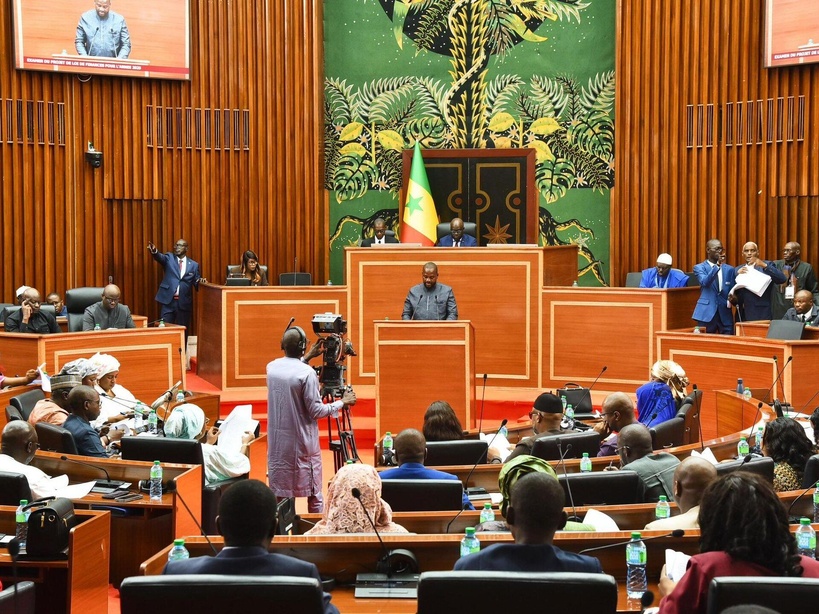
Sénégal Assemblée Nationale: Commissions d'enquête Parlementaire Auditions
Summary
- The Assemblée nationale in Sénégal is holding parliamentary inquiry auditions today, Friday, October 16, 2026.
- These inquiries are investigating the "Un étudiant, un ordinateur" program, fiscal exemptions, fishing licenses, and Total Return Swap mechanisms.
- Six high-ranking officials were scheduled to be audited during these sessions, though some have declined to appear.
- The investigations aim to enhance transparency, accountability, and inform future legislative actions in Sénégal.
What Happened
The transparency and accountability fostered by these inquiries are vital for public trust and investor confidence.
The Assemblée nationale in Sénégal is holding a series of critical auditions today, Friday, October 16, 2026, as part of its ongoing parliamentary inquiry commissions. These sessions are delving into several high-profile matters, signifying a concerted effort by the legislative body to scrutinize key governmental programs and economic sectors. The focus of these upcoming hearings will encompass a broad spectrum of issues, ranging from social initiatives to complex financial instruments and natural resource management.
These particular Sénégal commissions d'enquête parlementaire auditions were scheduled to feature testimony from six high-ranking officials, though some have declined to appear. Their presence underscores the gravity and extensive scope of the investigations being conducted by the Assemblée nationale Sénégal enquêtes. The legislative body's commitment to transparency and accountability is highlighted by its decision to convene these specific hearings, which are designed to gather essential information and insights into the operations and impacts of the programs and policies under review.
Scope of Parliamentary Inquiries
The parliamentary inquiries are structured to address distinct yet equally significant areas. One major focus is the "Un étudiant, un ordinateur" program Sénégal, a social initiative aimed at equipping students with essential technological tools. The commission will likely examine the program's implementation, its effectiveness, and the allocation of resources to ensure it meets its intended objectives and benefits the student population as planned.
Another critical area under review is the system of exonérations fiscales Sénégal enquête. This investigation into tax exemptions is particularly pertinent, as such exemptions can have substantial implications for national revenue and economic equity. The parliamentary commission will seek to understand the criteria for granting these exemptions, their economic impact, and whether they are being applied judiciously and transparently. The scrutiny of these fiscal policies is a common practice in many democracies to ensure fairness and prevent potential abuses.
Furthermore, the Assemblée nationale will be scrutinizing licences de pêche Sénégal parlement. The management of fishing licenses is vital for the country's economy, food security, and environmental sustainability. This inquiry will likely explore the processes for issuing and monitoring these licenses, adherence to regulatory frameworks, and the overall impact on local fishing communities and marine ecosystems. Ensuring equitable access and sustainable practices within the fishing industry is a key objective of such an investigation.
Finally, the commissions will also tackle complex financial mechanisms, specifically focusing on the Total Return Swap Sénégal enquête. Total Return Swaps (TRS) are sophisticated financial derivatives that can transfer the total economic performance of an underlying asset, including income and capital gains or losses, from one party to another. The inquiry into these mechanisms suggests a concern regarding their potential impact on the national economy, regulatory oversight, or their use in specific transactions that warrant legislative review. Understanding the implications of such instruments is crucial for maintaining financial stability and integrity.
Legal and Regulatory Context
Parliamentary inquiry commissions in Sénégal, like those in many other democratic nations, serve as crucial mechanisms for legislative oversight. These bodies are empowered to investigate matters of public interest, government administration, and policy implementation. Their primary role is not to prosecute but to gather facts, assess performance, identify shortcomings, and ultimately make recommendations to the full Assemblée nationale. These recommendations can range from proposing new legislation or amendments to existing laws, to suggesting changes in administrative practices or even calling for further investigations by other state institutions.
The establishment of these specific Sénégal commissions d'enquête parlementaire auditions underscores the legislative branch's commitment to its constitutional role of holding the executive accountable. The inquiries into areas such as fiscal exemptions and fishing licenses directly touch upon economic governance and resource management, areas where robust regulatory frameworks and transparent practices are paramount. The examination of the "Un étudiant, un ordinateur" program reflects an interest in social policy effectiveness, while the Total Return Swap Sénégal enquête highlights the growing need for legislative understanding and oversight of complex financial instruments in a globalized economy.
Why It Matters
The outcomes of these parliamentary inquiries hold significant implications for various sectors across Sénégal. For businesses, particularly those operating under tax exemptions or within the fishing industry, the findings could lead to revised regulations, stricter compliance requirements, or even changes in policy direction. The scrutiny of fiscal exemptions, for instance, might result in a re-evaluation of incentives offered to certain industries or companies, potentially altering the investment landscape. Similarly, any recommendations stemming from the licences de pêche Sénégal parlement inquiry could reshape the operational environment for both local and international fishing entities.
Moreover, the investigations into the "Un étudiant, un ordinateur" program and the Total Return Swap Sénégal enquête signal a broader commitment to good governance and financial prudence. The transparency and accountability fostered by these inquiries are vital for public trust and investor confidence. The insights gained from these Sénégal commissions d'enquête parlementaire auditions will not only inform future legislative actions but also provide a clearer picture of the challenges and opportunities within these critical areas, ultimately contributing to more informed policymaking and a more robust regulatory environment in Sénégal.
Practical Implications
Lawyers advising clients in Senegal on tax matters, fishing industry regulations, or financial transactions involving Total Return Swaps should closely monitor the outcomes of these parliamentary inquiries. The findings could lead to new legislative proposals, stricter enforcement, or revised compliance requirements, necessitating proactive client advice and risk mitigation strategies.
Source
Source: Original reporting via {source}
How does this affect you?
Get an AI analysis of this article grounded in your jurisdictions, practice areas, and any policy documents you've uploaded to Wansom.
Finish Reading the Full Story and the Expert Analysis.
Get the latest legal & regulatory intelligence in Senegal
Wansom is AI and can make mistakes.