
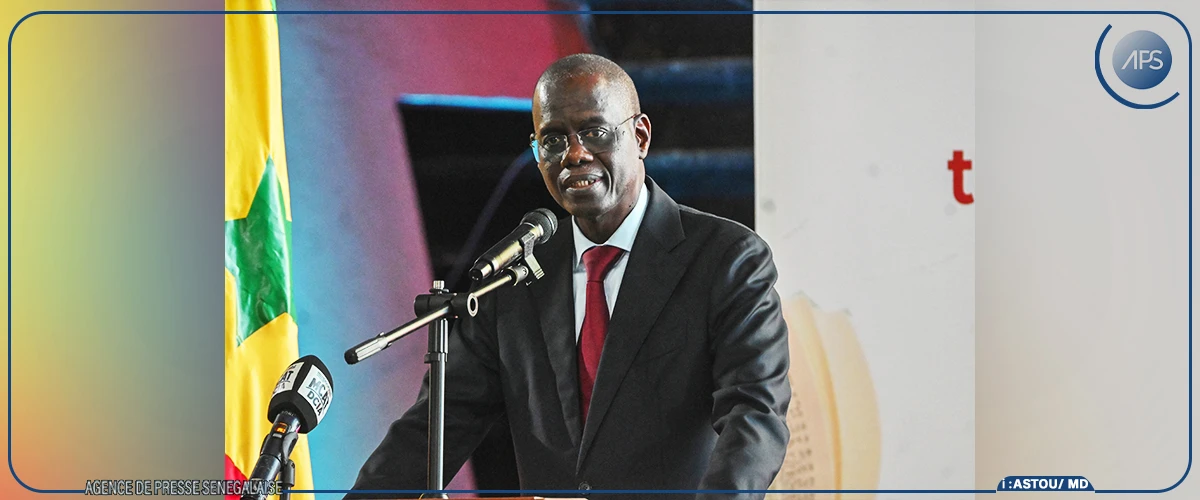
Senegal Prime Minister: Issues Strike Moratorium Request to Unions
Summary
- Senegal's Prime Minister Ahmadou Al Aminou Lo requested trade unions to observe a moratorium on general and sectoral strikes.
- The request was made on Thursday, October 15, pending a future meeting between the government and union organizations.
- Prime Minister Lo also announced plans to strengthen sectoral consultations to resolve workers' demands.
- This initiative aims to foster a more stable labor environment and facilitate constructive dialogue.
Prime Minister Seeks Halt to Industrial Action
The Prime Minister's call for a Senegal industrial action moratorium, coupled with the promise of intensified sectoral discussions, could represent a crucial juncture in the country's labor relations.
Senegal's Prime Minister, Ahmadou Al Aminou Lo, recently issued a significant appeal to the nation's trade union organizations, requesting a temporary cessation of industrial action. This pivotal Senegal Prime Minister strike moratorium request was formally made on Thursday, October 15, targeting both general strikes and those specific to particular sectors that had been previously announced or were under consideration. The Prime Minister's intervention underscores a governmental effort to stabilize the labor environment and facilitate a more constructive period of engagement with worker representatives.
The core of the request was for unions to observe a moratorium on any planned Ahmadou Al Aminou Lo strikes until a subsequent, dedicated meeting could be convened between the government and the various union bodies. This condition highlights the administration's intent to use the period of reduced industrial pressure to advance dialogue and address underlying issues. The call for a moratorium, therefore, is not merely a demand for a pause but an invitation for renewed collaboration, aiming to prevent widespread disruptions that could impact the national economy and public services.
Government Pledges Enhanced Dialogue
In tandem with his plea for a halt to strikes, Prime Minister Lo also outlined the government's commitment to bolstering existing channels for social dialogue. He explicitly announced plans to strengthen Senegal labor relations consultations at a sectoral level, indicating a strategic move towards more granular and effective engagement with specific industries and their respective workforces. This initiative aims to create more tailored platforms for discussion, moving beyond broad national negotiations to address the unique challenges faced by different professional groups.
The overarching objective behind these reinforced consultations is to expedite and facilitate the resolution of outstanding workers' demands. By engaging in more focused and frequent discussions, the government hopes to proactively identify and tackle the issues that frequently precipitate industrial action. This commitment to enhanced Senegal government union dialogue signifies a proactive approach to labor management, seeking to build consensus and find mutually agreeable solutions before grievances escalate into full-blown disputes, thereby fostering a more harmonious industrial climate.
Implications for Senegal's Labor Landscape
The Prime Minister's call for a Senegal industrial action moratorium, coupled with the promise of intensified sectoral discussions, could represent a crucial juncture in the country's labor relations. The effectiveness of this temporary pause will largely depend on the willingness of trade unions to honor the request and the government's subsequent ability to demonstrate tangible progress through the announced consultations. This period of engagement is expected to shape the future landscape of Senegal trade union negotiations, potentially setting new precedents for how labor disputes are managed.
This strategic move offers a valuable window for all stakeholders to re-evaluate their positions, articulate their concerns more clearly, and collectively work towards sustainable solutions that benefit both workers and the national economy. The success of this initiative will ultimately be measured by the government's capacity to address the fundamental causes of worker dissatisfaction through a robust and transparent consultation process. If these dialogues prove productive, they could significantly reduce the frequency and intensity of future industrial actions, contributing to greater stability and predictability in Senegal's labor environment.
Practical Implications
Lawyers advising businesses in Senegal should monitor the outcome of the promised sectoral consultations, as they may lead to new agreements or regulatory changes impacting labor relations and industrial action. This temporary moratorium could signal a period of reduced immediate strike risk but requires vigilance regarding future policy shifts.
Source
Source: Original reporting via APS
How does this affect you?
Get an AI analysis of this article grounded in your jurisdictions, practice areas, and any policy documents you've uploaded to Wansom.
Finish Reading the Full Story and the Expert Analysis.
Get the latest legal & regulatory intelligence in Senegal
Wansom is AI and can make mistakes.