
Sénégal Budget Révisé 2026 Pastef: PM Seeks Support After Rejection
Summary
- Senegal's Prime Minister, Ahmadou Al Aminou Mohamed Lô, has urged the opposition Pastef party to support the revised 2026 budget.
- Pastef, holding 130 of 165 parliamentary seats, rejected the draft in commission and demands concessions on social investments, purchasing power, and public debt.
- The budget's approval is crucial for securing a $2.2 billion, three-year aid package from the IMF, which is currently awaiting board approval.
- Senegal faces an economic crisis with public debt projected at 132% of GDP by late 2024, making budget consolidation vital for financial stability.
- The Prime Minister has engaged with opposition leader Ousmane Sonko to find a resolution, emphasizing the executive's commitment to dialogue.
Political Standoff Over Revised Budget
For lawyers and compliance officers advising on investments, financial transactions, or business operations in Senegal, closely monitoring the approval of the 2026 revised budget is essential.
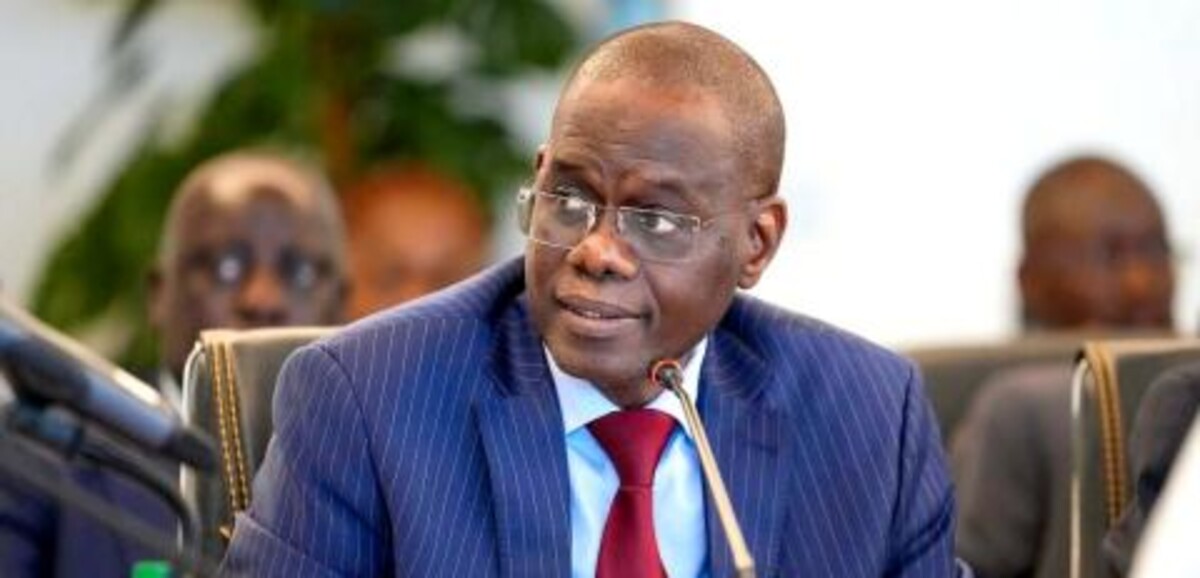
Senegal's Prime Minister, Ahmadou Al Aminou Mohamed Lô, has issued a public appeal to the opposition party, Pastef, urging their support for the proposed revised 2026 budget. This call came on Monday, just ahead of the scheduled plenary session for the examination of the Projet de loi de finances rectificative 2026 Sénégal, set for Tuesday, October 27, at 10 AM. The Prime Minister's intervention follows a significant setback on Friday when Pastef, which commands a substantial majority with 130 out of 165 parliamentary seats, contributed to the rejection of the draft budget during its commission review due to a lack of consensus.
While Pastef does not fundamentally object to the concept of a budget revision, the party has voiced strong opposition to specific budgetary allocations, the proposed financing mechanisms, and the guarantees offered to the Parliament. Their support for the Sénégal budget révisé 2026 Pastef is now contingent upon the government addressing five key demands. These demands primarily focus on increasing social investments, bolstering purchasing power for citizens, and implementing a robust strategy for public debt management. The current political impasse highlights the critical need for dialogue to ensure the passage of this vital financial legislation.
Economic Imperatives and IMF Agreement
The urgency surrounding the approval of the revised budget is deeply rooted in Senegal's challenging economic landscape and its commitments to international financial partners. The nation is grappling with an economic crisis, exacerbated by a public debt projected to reach 132% of its Gross Domestic Product by the close of 2024. This precarious situation underscores the necessity of the proposed fiscal adjustments.
Crucially, the adoption of the revised budget is a prerequisite for unlocking a significant financial aid package from the International Monetary Fund (IMF). An agreement reached on September 1 outlines $2.2 billion in assistance over three years, but this funding remains pending approval by the IMF's board of directors. The Prime Minister, Ahmadou Al Aminou Mohamed Lô, has emphasized that the budget revision is intended to demonstrate Senegal's commitment to rectifying deficiencies in public finance management, thereby reassuring its financial partners and securing the Sénégal IMF accord budget. He attributed some of the current fiscal challenges to inaccurate forecasts prepared under the previous government, led by Ousmane Sonko, who now serves as the President of the National Assembly, noting that anticipated resources from the economic and social recovery program were not fully realized.
Broader Implications for Stability and Investment
The stakes involved in the passage of the revised budget extend far beyond parliamentary procedure; they encompass Senegal's overall financial stability and its ability to attract and retain investment. The Prime Minister has initiated contact with Ousmane Sonko, expressing a willingness to address the concerns raised by the Pastef opposition budget Sénégal and affirming the executive's capacity for dialogue and constitutional solutions to resolve the current deadlock. Securing the IMF program is paramount, requiring a credible budget consolidation and a debt management strategy that can garner broad consensus.
For lawyers and compliance officers advising on investments, financial transactions, or business operations in Senegal, closely monitoring the approval of the 2026 revised budget is essential. Its successful passage is critical for unlocking IMF funding and maintaining the country's economic stability, directly impacting financial forecasts, regulatory certainty, and the overall investment climate. The current economic pressures, including a high cost of living, youth unemployment, and a recent three-day general strike, underscore the societal impact of these fiscal decisions, even as the country prepares to host the Youth Olympic Games, the first Olympic event on the African continent.
Practical Implications
Lawyers and compliance officers advising on investments, financial transactions, or business operations in Senegal should closely monitor the approval of the 2026 revised budget. Its passage is crucial for unlocking IMF funding and maintaining the country's economic stability, directly impacting financial forecasts, regulatory certainty, and the overall investment climate.
Source
How does this affect you?
Get an AI analysis of this article grounded in your jurisdictions, practice areas, and any policy documents you've uploaded to Wansom.
Finish Reading the Full Story and the Expert Analysis.
Wansom is AI and can make mistakes.