
LFR 2026 : Dialogue De La Dernière Chance Ou Affrontement Historique ?
Summary
- Senegal's National Assembly is currently examining the `Sénégal projet Loi Finances Rectificative 2026` in a plenary session.
- The legislative review, taking place this Tuesday, is drawing significant national attention.
- Beyond the financial details, the process is characterized by a notable political contestation.
- The ultimate resolution of this political struggle is anticipated to have substantial consequences for the nation.
Legislative Review Underway
The outcome of this legislative and political engagement is anticipated to have a profound `impact Loi Finances Rectificative Sénégal`.
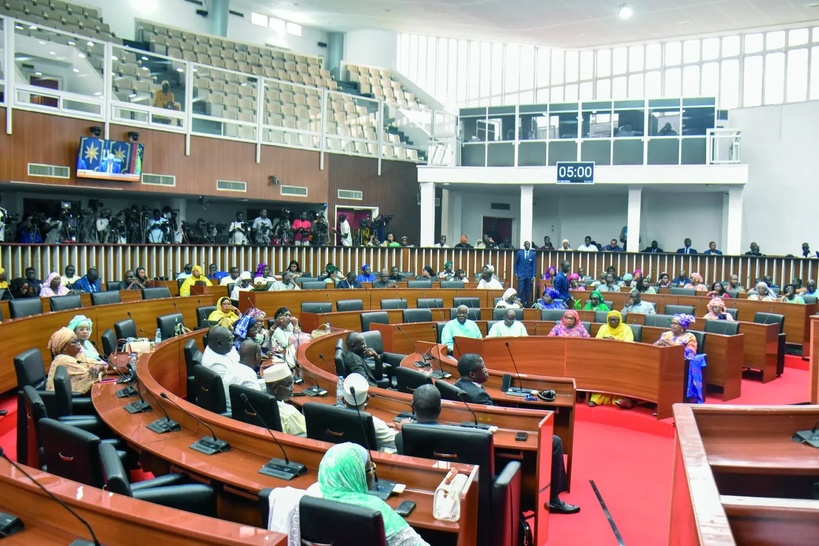
Senegal is currently focused on a pivotal legislative event, as the National Assembly convenes for a plenary examination of the `Sénégal projet Loi Finances Rectificative 2026`. This crucial session, taking place this Tuesday, has captured the nation's full attention, with all eyes directed towards the parliamentary proceedings.
The country collectively awaits the outcome of these deliberations, reflecting the significant anticipation surrounding the adjustments to the national budget. The legislative body's agenda item is not merely a routine procedural step but a moment of considerable national interest and political scrutiny, underscoring the gravity of the decisions to be made.
Understanding the Rectifying Finance Law
A Rectifying Finance Law, or LFR, serves as a mechanism to modify an existing national budget, typically in response to evolving economic conditions or unforeseen fiscal requirements. The `Sénégal budget rectificatif 2026` under review involves a detailed assessment of financial figures, substantial monetary allocations, and critical budgetary arbitrations, all of which are integral to the nation's economic framework.
Such a law is designed to ensure that the government's financial plan remains aligned with current realities, allowing for necessary reallocations or adjustments to revenue and expenditure forecasts. The process involves a thorough scrutiny of various financial parameters to ensure fiscal stability and responsiveness to the country's developmental needs.
Political Dynamics and Potential Impact
Beyond the technical financial aspects, the ongoing examination of the `LFR 2026 Sénégal Assemblée nationale` is characterized by a discernible political battle. This contestation signifies deeper disagreements or differing priorities among political factions regarding the nation's fiscal direction and resource allocation.
The outcome of this legislative and political engagement is anticipated to have a profound `impact Loi Finances Rectificative Sénégal`. The resolution of these debates could lead to significant shifts in `législation fiscale Sénégal 2026`, influencing various sectors and potentially altering the economic landscape for businesses and citizens alike.
Therefore, the final decisions emerging from the National Assembly's plenary session are not just administrative adjustments but are poised to carry substantial weight, shaping Senegal's financial future and reflecting the prevailing political will.
Practical Implications
Lawyers and compliance officers should closely monitor the parliamentary debate and final adoption of Senegal's 2026 Rectifying Finance Law, as its provisions could introduce significant changes to fiscal regulations and budgetary allocations impacting business operations and compliance obligations.
Source
How does this affect you?
Get an AI analysis of this article grounded in your jurisdictions, practice areas, and any policy documents you've uploaded to Wansom.
Finish Reading the Full Story and the Expert Analysis.
Wansom is AI and can make mistakes.