
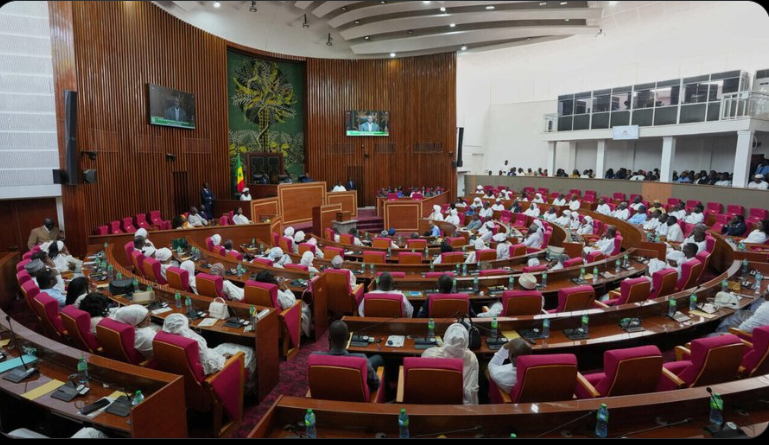
Sénégal Assemblée Nationale: Code Pétrolier 2026 Review Leads Sept. Plenary
Summary
- Sénégal's National Assembly has scheduled plenary sessions for September 29, September 30, and October 2, 2026.
- Key legislative texts to be examined include the Petroleum Code, the ECOWAS biometric identity card, and health in correctional facilities.
- The initial session on September 29 will begin at 10:00 AM to commence the examination of these texts.
- The review of the Petroleum Code is critical for Senegal's energy sector and future economic development.
- Legislation on the ECOWAS biometric ID card and prison health reflects broader commitments to regional integration and human rights.
Sénégal's National Assembly Sets Ambitious Legislative Agenda for Late 2026
The comprehensive nature of the Assemblée nationale Sénégal agenda septembre 2026 underscores the dynamic legal and regulatory environment in the country.
The National Assembly of Sénégal has officially announced a series of crucial plenary sessions scheduled for late September and early October 2026. These forthcoming legislative gatherings are poised to address several pivotal texts that could significantly shape the nation's legal and administrative landscape. The announced dates for these important deliberations include September 29, September 30, and October 2, 2026, signaling a concentrated period of parliamentary activity.
Among the key legislative documents slated for examination are proposals concerning the ECOWAS biometric identity card, a comprehensive review of the existing Petroleum Code, and new provisions related to health standards within correctional facilities. This diverse agenda underscores the breadth of issues the Assemblée nationale Sénégal agenda septembre 2026 aims to tackle, ranging from economic governance to social welfare and regional integration.
The legislative proceedings are set to commence promptly, with deputies scheduled to convene on Tuesday, September 29, at 10:00 AM. This initial session will mark the formal beginning of the examination phase for the various Sénégal textes plénières 2026, indicating a structured approach to the parliamentary review process. The specific timing highlights the immediate focus on these legislative priorities as the Assembly reconvenes.
Critical Review of the Petroleum Code on the Horizon
A central item on the upcoming legislative docket is the comprehensive review of the Petroleum Code. This examination by the Sénégal Assemblée nationale Code pétrolier 2026 is of paramount importance, given Senegal's emerging role in the global energy sector. The existing framework governing oil and gas exploration, production, and revenue management is expected to undergo scrutiny, potentially leading to significant amendments or a complete overhaul.
The Projet loi pétrolier Sénégal represents a critical juncture for the nation's economic future, as legislative changes in this domain can directly influence foreign investment, local content requirements, and the equitable distribution of natural resource wealth. Stakeholders in the energy industry, both domestic and international, will be closely monitoring these discussions for any shifts in regulatory policy that could impact their operations and long-term strategies within the country.
Revisions to the Petroleum Code could address various aspects, including environmental protections, fiscal regimes, and the operational guidelines for energy companies. The outcome of these deliberations will be instrumental in defining the stability and attractiveness of Senegal's energy sector for years to come, making it a focal point for legal and economic analysis.
Broader Legislative Scope: Identity and Human Rights
Beyond the energy sector, the National Assembly's agenda extends to critical social and administrative reforms. The proposed legislation concerning the Sénégal carte identité biométrique CEDEAO is a significant step towards enhancing regional integration and modernizing identity management systems. The adoption of a standardized biometric identification across ECOWAS member states aims to facilitate movement, improve security, and streamline administrative processes for citizens within the West African bloc.
Concurrently, the Assemblée nationale will also address new legislative texts pertaining to Sénégal législation santé carcérale, focusing on health provisions within correctional facilities. This initiative underscores a commitment to upholding human rights and ensuring adequate medical care for incarcerated individuals. Such reforms often involve establishing minimum standards for healthcare services, access to medical personnel, and the overall sanitary conditions within prisons.
These diverse legislative items reflect a multifaceted approach by the Senegalese government to address both economic development and social welfare. The discussions surrounding the ECOWAS biometric ID card and prison health legislation are indicative of broader efforts to align national laws with international best practices and regional commitments, impacting citizens' daily lives and fundamental rights.
Significance of the Upcoming Parliamentary Sessions
The convergence of these distinct legislative topics — from the Petroleum Code to regional identity and prison health — highlights a period of intense and impactful parliamentary activity in Sénégal. For legal professionals and their clients, particularly those operating in or considering entry into the Senegalese market, these upcoming sessions demand close attention. Lawyers advising clients in the energy sector, for instance, must meticulously track the evolution of the Projet loi pétrolier Sénégal for potential legislative changes that could redefine operational parameters and investment landscapes.
Similarly, developments surrounding the Sénégal carte identité biométrique CEDEAO could have significant implications for clients involved in immigration, regional trade, and cross-border services, necessitating a thorough understanding of new identification requirements and their legal ramifications. Furthermore, the legislative discussions on Sénégal législation santé carcérale are crucial for human rights advocates and organizations, as well as for legal practitioners whose work involves civil liberties and correctional facility oversight.
The comprehensive nature of the Assemblée nationale Sénégal agenda septembre 2026 underscores the dynamic legal and regulatory environment in the country. Monitoring these Sénégal textes plénières 2026 will be essential for anticipating changes, advising clients effectively, and navigating the evolving legal framework across multiple sectors.
Practical Implications
Lawyers advising clients in Senegal's energy sector must closely monitor the upcoming parliamentary examination of the Petroleum Code for potential legislative changes. Additionally, developments regarding the ECOWAS biometric ID card and prison health legislation could impact clients in immigration and human rights.
Source
Source: Original reporting via {source}
How does this affect you?
Get an AI analysis of this article grounded in your jurisdictions, practice areas, and any policy documents you've uploaded to Wansom.
Finish Reading the Full Story and the Expert Analysis.
Get the latest legal & regulatory intelligence in Senegal
Wansom is AI and can make mistakes.