
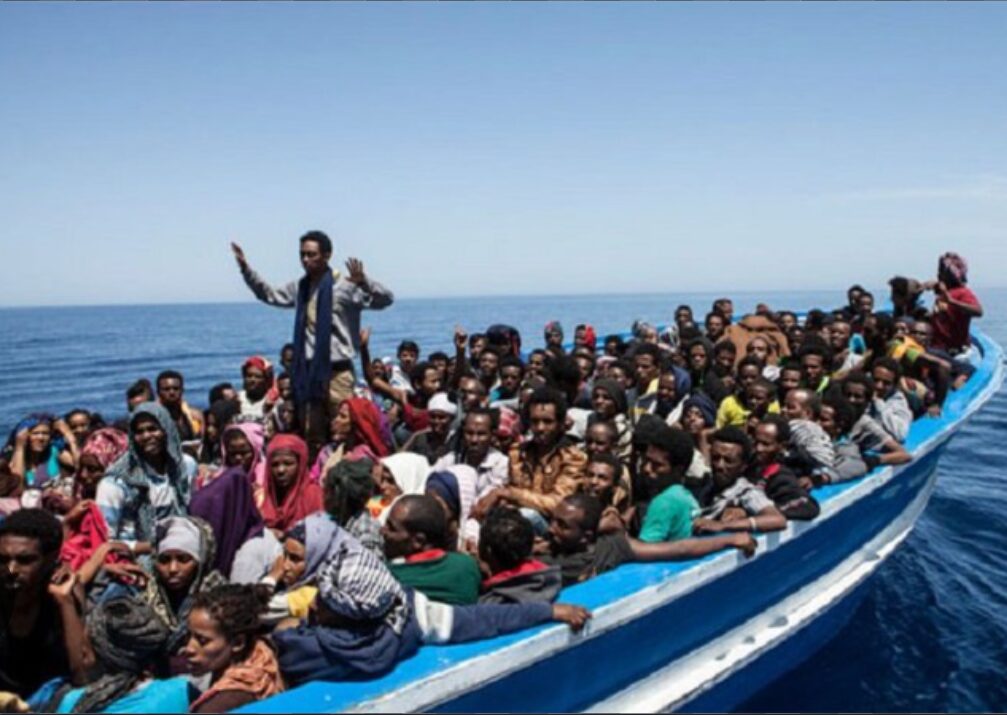
Senegal: Poursuing Lompoul Migrant Boat Sinking Traffickers
Summary
- A migrant pirogue sank off Lompoul, resulting in 43 fatalities and only one survivor.
- The provisional victim count from the maritime disaster stands at 44 individuals.
- The tragic event has intensified public indignation and concern across the region.
- There are growing demands for legal action against those organizing clandestine emigration.
- This incident is part of a pattern of increasing maritime tragedies involving migrants.
The Lompoul Tragedy
The tragic loss of life off Lompoul has amplified the pressure on authorities to dismantle these illicit operations.
A devastating maritime incident unfolded recently in the waters off Lompoul, involving a migrant pirogue that capsized, leading to a significant loss of life. The provisional count of victims from this tragic shipwreck currently stands at 44 individuals. This figure encompasses 43 confirmed fatalities, with only a single person reported to have survived the ordeal.
The sheer scale of the human cost associated with this particular Lompoul migrant boat sinking has deeply affected the public. The incident has not only generated widespread indignation but also reignited profound concerns regarding the perilous journeys undertaken by those seeking to emigrate clandestinely. The lone survivor's account, while not detailed in the source, implicitly underscores the extreme dangers inherent in such voyages.
Calls for Justice Against Traffickers
In the wake of the Lompoul disaster, there has been a notable surge in demands for robust judicial action targeting the individuals and networks responsible for orchestrating clandestine emigration. Public sentiment is increasingly focused on holding accountable those who facilitate these dangerous crossings, often referred to as `réseaux de passeurs`. The calls for `poursuites judiciaires` are becoming more insistent, reflecting a collective desire for justice.
The tragic loss of life off Lompoul has amplified the pressure on authorities to dismantle these illicit operations. Many believe that only through rigorous `poursuites passeurs Sénégal` can a deterrent be established against the `trafic d'êtres humains Sénégal` that preys on vulnerable individuals. This incident serves as a stark reminder of the urgent need for effective legal and enforcement responses to protect potential migrants.
The Broader Context of Clandestine Migration
The Lompoul shipwreck is not an isolated event but rather the latest in a series of similar maritime tragedies that have plagued the region. The increasing frequency of these incidents highlights a troubling pattern of `émigration clandestine Sénégal`, where desperate individuals embark on perilous sea voyages in search of better opportunities. This multiplication of tragedies underscores a persistent and growing challenge for the nation.
Each new disaster, like the one off Lompoul, intensifies the public's awareness of the inherent risks and the human suffering involved. The ongoing concern stems from the realization that despite the known dangers, these clandestine journeys continue, often facilitated by unscrupulous `réseaux de passeurs`. Addressing the root causes and the enabling networks remains a critical, complex issue for the country.
Heightened Scrutiny and Potential Enforcement
The profound indignation and concern generated by the Lompoul migrant boat sinking are expected to place significant pressure on the Senegalese justice system and law enforcement agencies. This public outcry could lead to a more aggressive stance in the `répression` of human trafficking and clandestine emigration activities. The focus will likely sharpen on identifying and prosecuting the organizers behind these dangerous ventures.
Authorities may face increased demands to demonstrate tangible progress in combating `trafic d'êtres humains Sénégal loi` and to ensure that existing legislation is applied with full force against those exploiting migrants. The tragic events off Lompoul serve as a powerful catalyst, potentially prompting a re-evaluation of strategies and a renewed commitment to bringing the `réseaux de passeurs` to justice, thereby impacting the legal landscape surrounding migration.
Practical Implications
Lawyers in Senegal should monitor the heightened public and political pressure for judicial action against human trafficking networks following the Lompoul tragedy. This could lead to increased enforcement, new legislative proposals, or stricter interpretations of existing laws related to clandestine migration, impacting clients involved in maritime operations or those requiring advice on human rights and anti-trafficking compliance.
Source
How does this affect you?
Get an AI analysis of this article grounded in your jurisdictions, practice areas, and any policy documents you've uploaded to Wansom.
Finish Reading the Full Story and the Expert Analysis.
Get the latest legal & regulatory intelligence in Senegal
Wansom is AI and can make mistakes.