
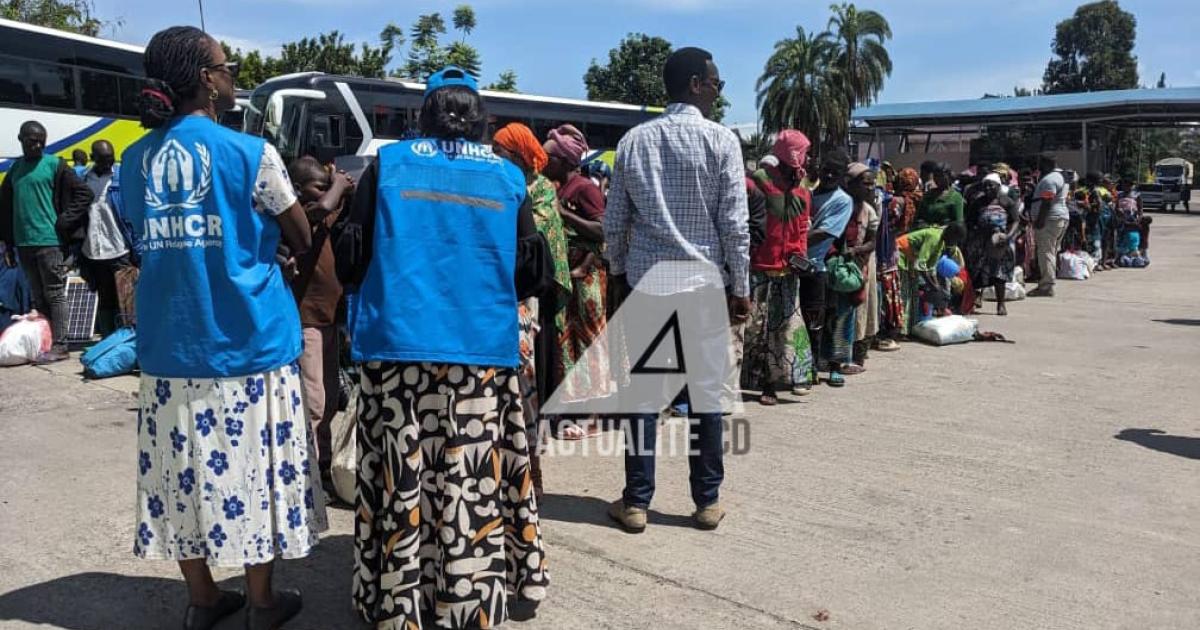
Massad Boulos: 6,000 Rwandan Refugees Return to DRC Under Washington Agreement
Summary
- Massad Boulos confirmed that approximately 6,000 Rwandan refugees have returned home since the beginning of 2026.
- These repatriations represent a concrete step in the implementation of the Washington Agreement between the DRC and Rwanda.
- The issue of refugees has historically been a significant source of tension between the Democratic Republic of Congo and Rwanda.
- The Washington Agreement aims to address these long-standing refugee-related challenges and improve DRC Rwanda relations.
- Monitoring the practical implementation of the agreement is crucial for upholding international human rights obligations and providing necessary legal aid to returning individuals.
Progress in Rwandan Refugee Repatriation
The successful and ethical implementation of the Washington Agreement is crucial, not only for resolving immediate refugee issues but also for fostering long-term stability and adherence to international human rights standards in the region.
Massad Boulos recently affirmed that significant progress has been made in the repatriation of Rwandan refugees, highlighting a concrete aspect of the Washington Agreement's implementation. According to Boulos, approximately 6,000 Rwandan refugees have successfully returned to their home country since the beginning of the current year, marking a notable development in the ongoing efforts to manage cross-border population movements between the Democratic Republic of Congo (DRC) and Rwanda.
This recent wave of returns underscores the active engagement in fulfilling the commitments outlined in the Washington Agreement, an accord designed to address long-standing issues between the two nations. The statement by Massad Boulos provides a specific metric for the impact of these diplomatic and humanitarian initiatives, demonstrating tangible results in the complex process of DRC Rwanda refugee repatriation. The figure of 6,000 Rwandan refugees returning since January reflects a concerted effort to facilitate organized and voluntary returns, a critical component of regional stability.
The Washington Agreement and Regional Tensions
The issue of refugees has historically represented a significant point of contention and a persistent source of tension between the Democratic Republic of Congo and Rwanda over many years. This enduring challenge has frequently strained DRC Rwanda relations, necessitating structured frameworks like the Washington Agreement to mediate and resolve disputes related to displaced populations. The Accord de Washington réfugiés rwandais specifically aims to provide a pathway for the safe and orderly return of individuals who have sought refuge across national borders.
Effective implementation of such agreements is vital for de-escalating regional friction and fostering a more cooperative environment. The Massad Boulos refugee statement, confirming the return of nearly 6,000 Rwandan refugees, indicates a positive step in operationalizing the accord's provisions. These efforts are crucial for addressing the humanitarian needs of refugees while simultaneously working towards normalizing relations between the DRC and Rwanda, which have often been complicated by the presence and movement of refugee communities.
Legal and Humanitarian Considerations
The ongoing repatriation of Rwandan refugees under the Washington Agreement carries substantial legal and humanitarian implications that demand careful monitoring. International human rights obligations dictate that all returns must be voluntary, safe, and dignified, ensuring that individuals are not subjected to persecution or harm upon their return. Lawyers and compliance officers must closely observe the practical implementation of this agreement to ensure adherence to these fundamental principles, safeguarding the rights of every returning individual.
Furthermore, the process of refugee repatriation often necessitates significant legal aid requirements for returning individuals, including assistance with documentation, property claims, and reintegration into their communities. The broader legal framework governing cross-border population movements between the DRC and Rwanda must be robust and transparent, providing clear guidelines for all parties involved. The successful and ethical implementation of the Washington Agreement is crucial, not only for resolving immediate refugee issues but also for fostering long-term stability and adherence to international human rights standards in the region.
Practical Implications
Lawyers and compliance officers should monitor the practical implementation of the Washington Agreement concerning Rwandan refugee repatriation, as it impacts international human rights obligations, potential legal aid requirements for returning individuals, and the broader legal framework governing cross-border population movements between the DRC and Rwanda.
Source
Source: Original reporting via PMaki
How does this affect you?
Get an AI analysis of this article grounded in your jurisdictions, practice areas, and any policy documents you've uploaded to Wansom.
Finish Reading the Full Story and the Expert Analysis.
Get the latest legal & regulatory intelligence in DR Congo
Wansom is AI and can make mistakes.