
RVF Rétablit Signalisation Mfimi Maï-Ndombe: Enhances River Safety
Summary
- The Régie des voies fluviales (RVF) recently initiated work to install fluvial signaling on the Mfimi River.
- This initiative aims to enhance navigation safety and mitigate accident risks along the 105-kilometer Mushie-Nioki corridor.
- The Mfimi River had lacked proper balisage for over four decades prior to this intervention.
What Happened
Ultimately, the RVF's efforts to rétablir signalisation Mfimi Maï-Ndombe underscore a fundamental principle of maritime governance: ensuring safe passage is paramount.
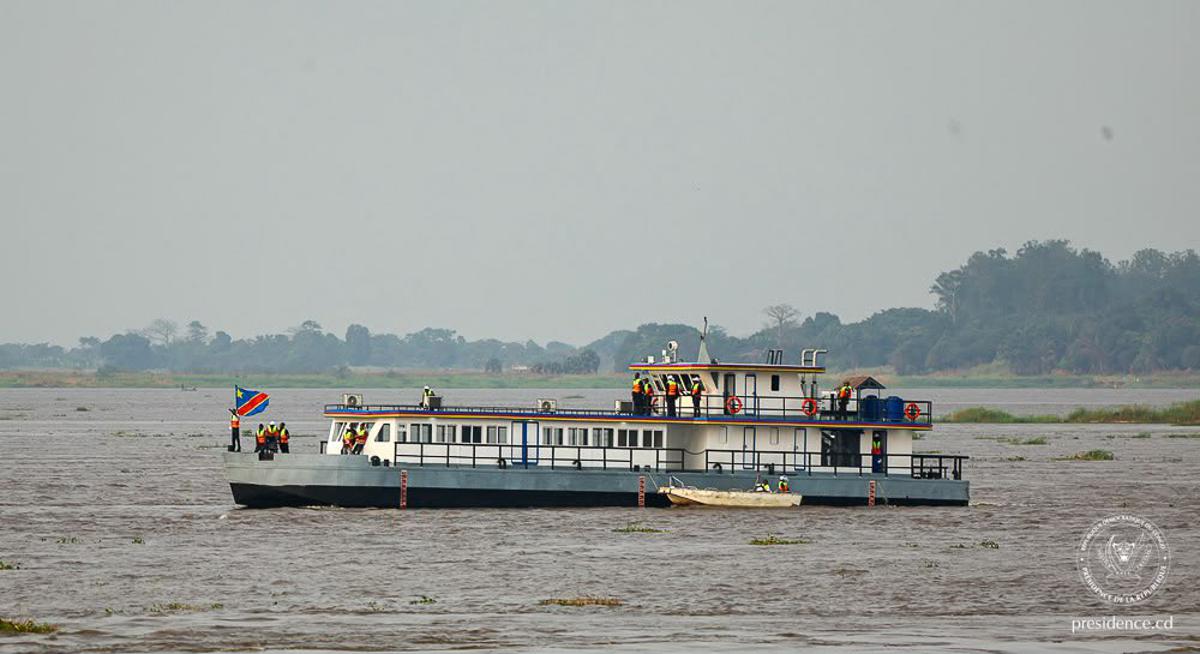
The Régie des voies fluviales (RVF) recently commenced a significant project to re-establish fluvial signaling along the Mfimi River in the Maï-Ndombe province. This crucial undertaking, which began on Monday, November 16, focuses on the 105-kilometer Mushie-Nioki corridor, an essential waterway for regional transport. The primary objective of this initiative is to enhance navigation safety and substantially reduce the potential for accidents on the river.
For more than four decades, the Mfimi River had operated without any formal balisage, leaving vessels to navigate a challenging and often hazardous route. The absence of proper markers and aids to navigation significantly increased the risks associated with riverine transport, impacting both commercial and passenger traffic. The RVF's intervention marks a pivotal moment, addressing a long-standing infrastructure deficit that has posed considerable challenges to safe passage.
This development, where the RVF rétablit signalisation Mfimi Maï-Ndombe, is expected to transform the operational landscape for river transport. By installing modern signaling, the Régie des voies fluviales Mfimi aims to provide clear guidance for mariners, thereby mitigating the dangers previously inherent in traversing this section of the river. The project underscores a renewed commitment to improving critical transport infrastructure in the region.
Legal and Operational Context
The reintroduction of comprehensive balisage fluvial Maï-Ndombe carries substantial legal and operational implications for entities involved in river transport. For shipping companies and logistics providers operating in the Mushie-Nioki corridor, this enhanced infrastructure directly impacts risk assessments and compliance obligations. A more clearly marked waterway inherently reduces the likelihood of groundings, collisions, and other maritime incidents, which in turn can influence liability considerations.
Lawyers advising transport and logistics clients should take note of this development, as the improved safety infrastructure could lead to a re-evaluation of potential liabilities in the event of an incident. While the presence of signaling does not eliminate all risks, it significantly alters the standard of care expected from operators and the context in which negligence claims might be assessed. The focus shifts from navigating an unmarked river to adhering to established navigational aids.
Furthermore, the initiative for navigation sécurisée rivière Mfimi is likely to affect insurance premiums for vessels traversing this route. Insurers typically factor in the safety profile of waterways when calculating rates, and a demonstrable improvement in navigational aids could lead to more favorable terms for operators. This enhanced safety transport Mushie-Nioki corridor also supports better operational planning and reduced transit times, contributing to overall efficiency and reliability.
Why It Matters
The restoration of fluvial signaling on the Mfimi River, after an absence exceeding 40 years, represents a critical step towards modernizing and securing vital transport routes in the Maï-Ndombe region. This project by the Régie des voies fluviales is not merely about placing markers; it is about fostering a safer environment for commerce and passenger movement, which are essential for regional economic development. The long-term impact of reducing accident risks extends beyond immediate safety, influencing the broader economic viability and sustainability of riverine transport.
This significant upgrade in infrastructure is poised to have a ripple effect on the local economy, potentially encouraging greater investment in river transport services and facilitating the movement of goods and people more reliably. The previous lack of balisage presented an invisible barrier to efficient and safe operations, and its re-establishment removes a major impediment. This commitment to improving the sécurité transport Mushie-Nioki corridor underscores the importance of basic infrastructure in supporting complex logistical chains and human connectivity.
Ultimately, the RVF's efforts to rétablir signalisation Mfimi Maï-Ndombe underscore a fundamental principle of maritime governance: ensuring safe passage is paramount. This development sets a new precedent for waterway management in the area, highlighting the importance of continuous investment in navigational aids to prevent accidents and protect lives and assets. It provides a tangible example of how targeted infrastructure improvements can yield significant benefits across legal, economic, and social spheres.
Practical Implications
This development signifies a reduction in navigation risks on the Mfimi River, potentially impacting liability assessments for maritime incidents and insurance premiums for shipping companies operating in the Mushie-Nioki corridor. Lawyers advising transport or logistics clients should note the improved safety infrastructure and its implications for compliance and risk management.
Source
How does this affect you?
Get an AI analysis of this article grounded in your jurisdictions, practice areas, and any policy documents you've uploaded to Wansom.
Finish Reading the Full Story and the Expert Analysis.
Get the latest legal & regulatory intelligence in DR Congo
Wansom is AI and can make mistakes.