
Ruto Kenya: Orders 2024 Protest Human Rights Investigation
Summary
- President William Ruto called for independent, thorough, and transparent investigations into alleged human rights violations during Kenya's 2024 protests.
- He affirmed the constitutional right to peaceful protest, criticism, and dissent, citing Article 37 as foundational to democracy.
- Ruto acknowledged serious allegations including unlawful arrests, enforced disappearances, and the excessive use of lethal force, emphasizing accountability.
- He clarified that while peaceful assembly is protected, the right to protest does not extend to criminal acts like arson, looting, or violence.
- The President stressed the importance of distinguishing between exercising constitutional rights and committing criminal offenses during demonstrations.
Presidential Directive on Protest Accountability
No citizen should forfeit their life, freedom, or personal dignity simply for critiquing the government, holding an unpopular viewpoint, or engaging in a peaceful public demonstration.
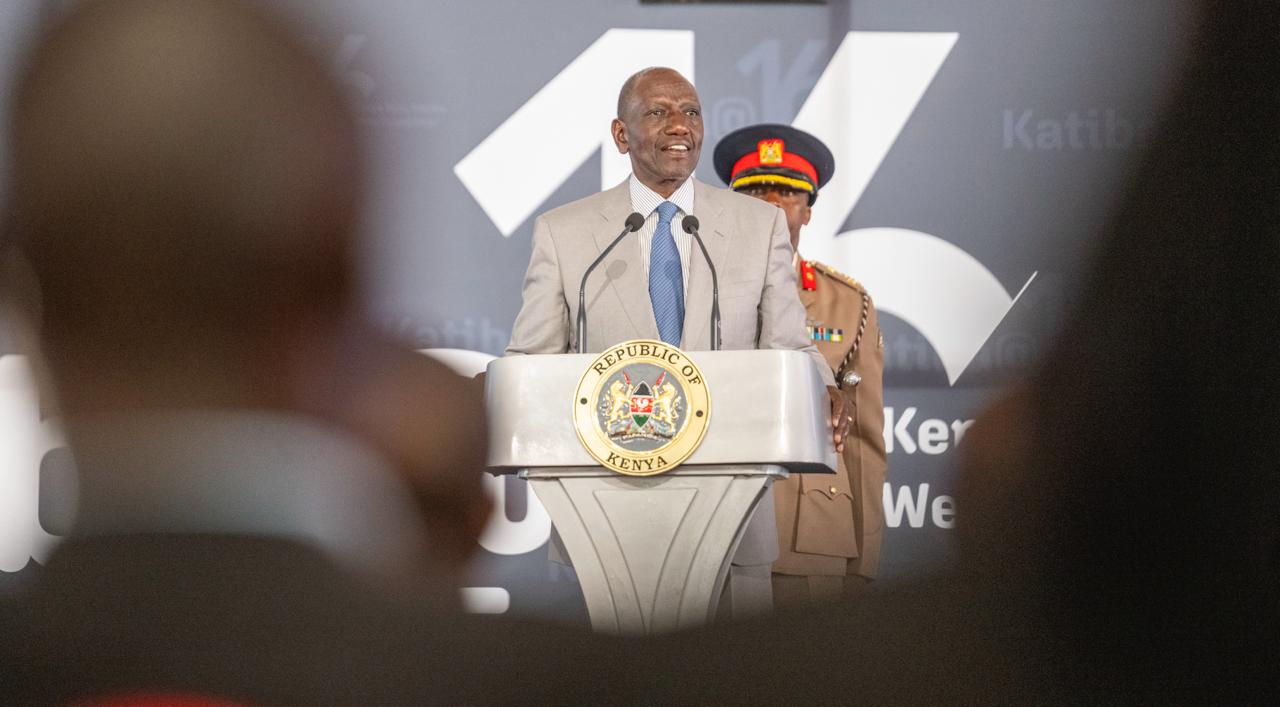
President William Ruto has issued a strong directive for thorough investigations into alleged human rights violations that occurred during the 2024 demonstrations across Kenya. Speaking in Nairobi on Thursday, at the Kenyatta International Convention Centre (KICC), during the commemoration of the 16th anniversary of the 2010 Constitution's promulgation, the President acknowledged the profound suffering caused by the protests. He specifically cited serious allegations of unlawful arrests, enforced disappearances, and the excessive use of lethal force, noting that some families tragically lost loved ones.
Ruto underscored the imperative for these investigations to be conducted independently, comprehensively, and with full transparency. He insisted that any individuals found responsible for such violations must be held accountable under the full extent of the law. The President articulated that overlooking these grave allegations would constitute a failure to uphold the very principles enshrined in the nation's Constitution, emphasizing that honoring the supreme law necessitates confronting and addressing these claims directly.
Defining the Scope of Constitutional Protest Rights
In his address, President Ruto unequivocally affirmed the fundamental right of Kenyans to engage in peaceful protest, criticism, and dissent, characterizing these as indispensable elements of a functioning democracy. He highlighted that citizens participating in the 2024 protests were exercising freedoms explicitly guaranteed by the Constitution, including the rights to speak, assemble, demonstrate, picket, and petition public authorities. Ruto asserted that such expressions of public demand should not be misconstrued as an attack on democratic governance.
He specifically referenced Article 37 of the Constitution, which safeguards the right of every individual to peaceably and unarmed assemble, demonstrate, picket, and present petitions to public authorities. The President made it clear that no citizen should forfeit their life, freedom, or personal dignity simply for critiquing the government, holding an unpopular viewpoint, or engaging in a peaceful public demonstration. This statement reinforces the state's commitment to protecting civic space.
Distinguishing Lawful Dissent from Criminality
While upholding the right to protest, President Ruto also drew a crucial distinction between constitutionally protected demonstrations and criminal acts. He clarified that the right to protest does not extend to illegal activities committed during public gatherings. The Constitution, he explained, specifically protects peaceful and unarmed assembly, but it does not offer sanctuary for actions such as arson, looting, general lawlessness, violence, intimidation, assaults on citizens, or the destruction of either public or private property.
Ruto stressed that the State must navigate a careful balance: it should neither broadly criminalize an entire protest movement due to the misconduct of a few individuals, nor should it legitimize any criminal behavior that occurs during demonstrations. He emphasized the critical need to differentiate clearly between a citizen exercising their constitutional entitlements and an individual committing a criminal offense. The President concluded by stating that the imperative to maintain public order must always be harmonized with the obligation to respect citizens' fundamental rights, noting that the right to protest carries a responsibility to remain peaceful and unarmed, just as the duty to maintain order entails respecting life, dignity, and the law.
Practical Implications
Lawyers should note President Ruto's call for independent investigations into alleged human rights violations during the 2024 protests, which could open avenues for legal action or advocacy on behalf of affected individuals. This also clarifies the government's stance on distinguishing between protected protest rights and criminal acts, impacting legal advice for clients involved in demonstrations.
Source
How does this affect you?
Get an AI analysis of this article grounded in your jurisdictions, practice areas, and any policy documents you've uploaded to Wansom.
Finish this article free. Just your email for instant unlock.
Wansom is AI and can make mistakes.