
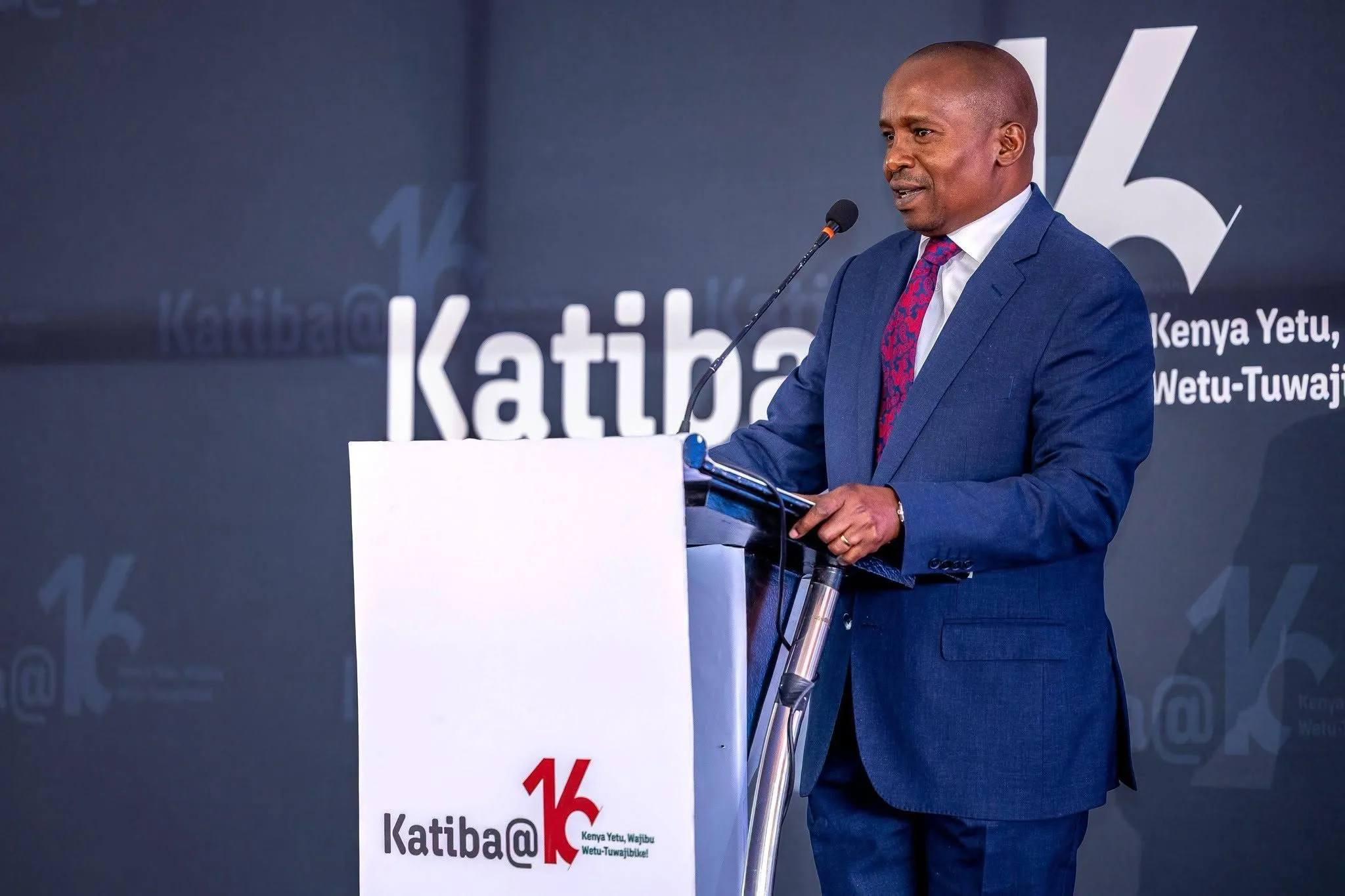
Kindiki: Katiba@16 Urges Wealth Creation Re-evaluation in Kenya
Summary
- Deputy President Kithure Kindiki spoke at the Katiba@16 symposium in Nairobi on Thursday, marking 16 years since Kenya's 2010 Constitution was promulgated.
- He called for an assessment of Kenya's progress in democracy, national unity, and wealth creation.
- Kindiki emphasized evaluating devolution, judicial independence, and parliamentary oversight as key measures of constitutional order.
- He argued that constitutional progress requires improving citizens' economic well-being and wealth creation, linking it to the Bill of Rights and Articles 10 and 232.
- Kindiki views democracy and prosperity as the two key pillars for advancing Kenya's constitutional order.
Kindiki Urges Focus on Wealth Creation at Constitution Anniversary
The Deputy President highlighted that the Bill of Rights and other constitutional provisions place human dignity, human rights, and democratic ideals at the core of governance, simultaneously creating an obligation to empower citizens economically.
Deputy President Kithure Kindiki recently urged a comprehensive re-evaluation of Kenya's constitutional journey, emphasizing democracy, national unity, and wealth creation, as the nation commemorated 16 years since the 2010 Constitution's promulgation. Speaking at the Katiba@16 symposium in Nairobi on Thursday, Kindiki highlighted the anniversary as a crucial moment for Kenyans to assess the country's advancements in implementing its foundational law and pinpoint areas needing further attention. He underscored the Constitution's role in establishing Kenya as a democratic, multi-party state, recognizing its diverse population, and creating 47 counties under a devolved system of government.
Assessing Constitutional Pillars and National Values
Kindiki further called for a thorough examination of the relationship between citizens and state institutions, alongside the interactions among the Executive, Legislature, Judiciary, constitutional commissions, and independent offices. He stressed the importance of evaluating how effectively different governmental arms and levels have collaborated while upholding their constitutional mandates. Key areas for measuring Kenya's constitutional order, according to Kindiki, include the perfection of devolution, respect for judicial independence, and the efficacy of parliamentary oversight.
He also challenged citizens to scrutinize the nation's adherence to core national values and principles of governance, such as patriotism, the rule of law, human rights, democracy, environmental sustainability, and accountability. These principles, which he described as the “software” guiding the country's operation, are crucial for strengthening both institutional structures and the values that direct them. Articles 10 and 232, he noted, provide the essential framework for these expected values for both the State and public service.
Economic Empowerment as a Constitutional Imperative
Crucially, Kindiki asserted that constitutional progress extends beyond merely democratic institutions and political rights. He argued that Kenya's constitutional vision inherently demands an improvement in the economic well-being of its citizens, framing democracy and prosperity as the twin pillars for advancing the nation's constitutional order. This perspective highlights a direct link between Kindiki's view on constitutional rights and economic empowerment, advocating for wealth creation Kenya as a direct outcome of constitutional implementation.
The Deputy President emphasized that the Bill of Rights and other constitutional provisions place human dignity, human rights, and democratic ideals at the core of governance, simultaneously creating an obligation to empower citizens economically. He stated that the aspirations of Kenya's constitutional order are profoundly about democracy, but equally about creating wealth for citizens, empowering them, and realizing the aspirations in the Bill of Rights that confer dignity and empowerment. Economic development, he concluded, should translate into better living conditions, including access to d
Why It Matters: A New Economic Lens for Constitutional Rights
This speech by Deputy President Kindiki signals a potential shift in governmental emphasis, interpreting constitutional rights through a distinct economic lens, particularly concerning wealth creation and citizen empowerment. His remarks at the Katiba@16 symposium underscore that the Kenya Constitution 16 years on is not just about political freedoms but also about tangible economic upliftment. This framework, which ties the Bill of Rights and the principles enshrined in Articles 10 and 232 to the economic prosperity of Kenyans, could significantly influence future policy, legislation, and judicial interpretation.
Lawyers and policymakers should closely monitor how this perspective shapes the government's approach to economic rights and public service obligations. Kindiki's call for Kindiki constitutional rights economic empowerment suggests a future where constitutional mandates are increasingly viewed through the prism of citizen wealth creation and improved living standards, potentially leading to new initiatives aimed at fostering broader economic participation and well-being.
Practical Implications
This speech by DP Kindiki signals a potential government emphasis on interpreting constitutional rights through an economic lens, particularly regarding wealth creation and citizen empowerment. Lawyers should monitor how this perspective influences policy, legislation, and judicial interpretation, especially concerning economic rights and public service obligations under Articles 10 and 232.
Source
How does this affect you?
Get an AI analysis of this article grounded in your jurisdictions, practice areas, and any policy documents you've uploaded to Wansom.
Finish this article free. Just your email for instant unlock.
Wansom is AI and can make mistakes.