
Ruto: Constitutional Limits on Power, Judicial Independence Kenya Affirmed
Summary
- President William Ruto stated that an electoral mandate does not grant unlimited authority, requiring power to be exercised within constitutional limits.
- He declared judicial independence non-negotiable, affirming courts' freedom to interpret the Constitution, protect rights, and invalidate unlawful actions.
- Ruto acknowledged citizens' constitutional rights to protest but clarified that these protections do not extend to criminal acts like arson or looting.
- The President called for independent investigations into allegations of human rights violations, including loss of lives and unlawful arrests, during 2024 protests.
- He stressed that both constitutional freedoms and law enforcement are essential and non-competing objectives for Kenya's democracy.
Presidential Address on Constitutional Governance
Judicial independence is non-negotiable. Courts must remain free to interpret the Constitution, protect rights and invalidate unlawful actions.
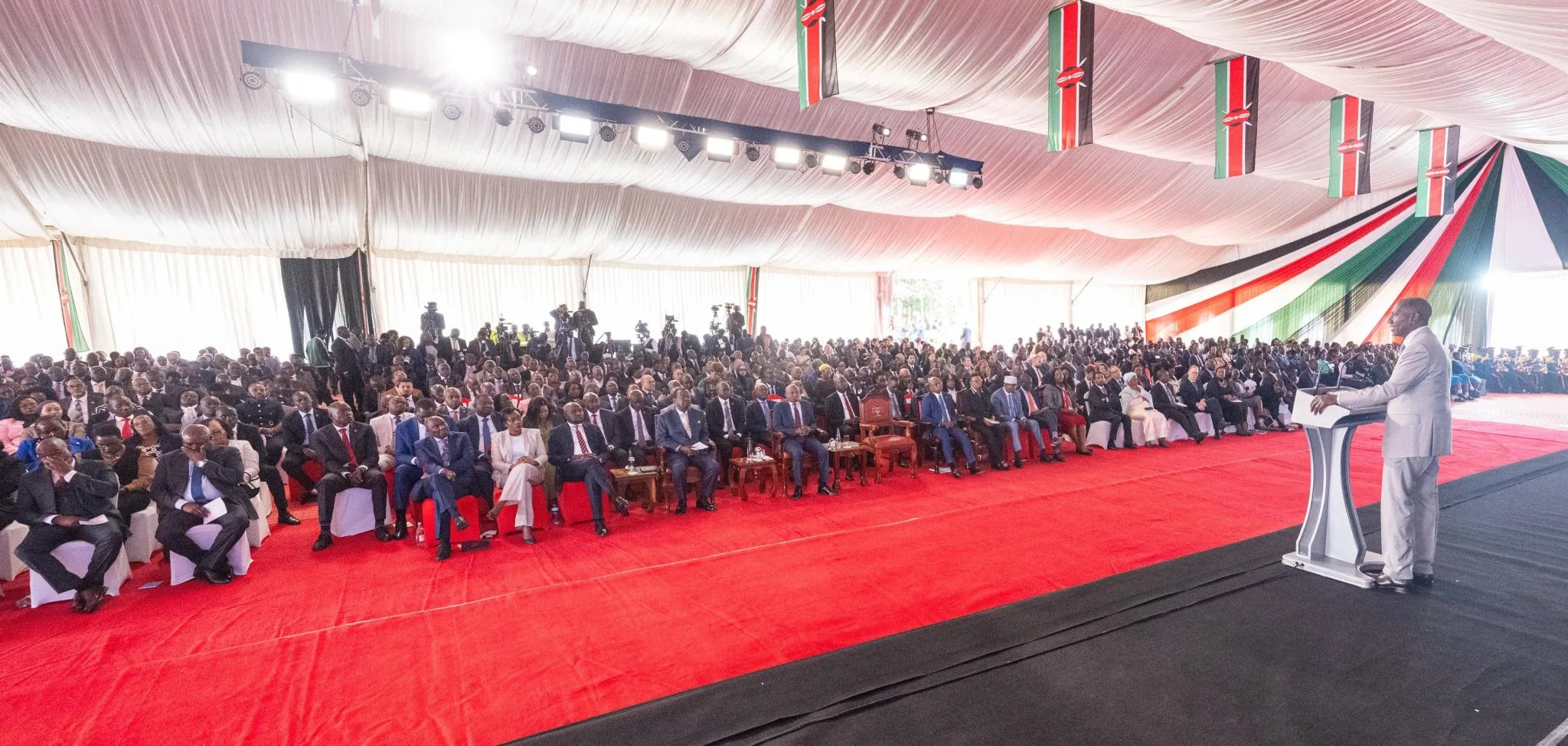
President William Ruto recently underscored the fundamental principle that an electoral mandate does not grant unlimited authority to an elected government. Speaking on Thursday in Nairobi, Kenya, while leading the 2026 Katiba Day Symposium, President Ruto articulated that power secured through the ballot box must invariably be exercised within the strict confines of the Constitution. His address focused on the critical balance between democratic mandates, the system of Kenya constitutional checks, judicial independence, and the protection of citizens' rights.
The President elaborated that while voters entrust elected leaders with a mandate to implement their programs, this mandate carries an inherent responsibility to operate strictly within the bounds of the law. He noted that political parties present competing manifestos to the electorate, and the winning administration gains both democratic legitimacy and a clear obligation to fulfill its promises. However, President Ruto also posed a crucial question regarding how elected institutions should appropriately respond when government policies face legal challenges or are declared unconstitutional by the courts.
Specifically, he inquired, “When a court finds that a policy violates the Constitution, how should the Executive and Parliament respond promptly and constructively?” This query, he clarified, should not be misconstrued as an attempt to undermine the Judiciary, emphasizing his administration's commitment to the rule of law and the separation of powers.
Upholding Judicial Independence
In a strong affirmation of the judiciary's role, President Ruto declared that judicial independence Kenya remains a fundamental pillar of the nation's constitutional order. He unequivocally stated that this independence is “non-negotiable,” asserting that courts must retain their freedom to interpret the Constitution, safeguard individual rights, and invalidate any actions deemed unlawful. This stance highlights the critical role of the judiciary in maintaining executive accountability Kenya and ensuring governmental adherence to legal frameworks.
President Ruto further explained that the constitutional balance necessitates respect for the authority of elected institutions to formulate policy decisions, provided these decisions fall within legal parameters. He stressed that governments are obligated to comply with court orders whenever their actions are found to be unlawful. Concurrently, he argued that the constitutional space allowing for legitimate policy choices must also be diligently protected, ensuring a functional interplay between the branches of government.
Navigating Protest Rights and Responsibilities
The President also reflected on the series of protests witnessed across Kenya from 2024, acknowledging that these demonstrations brought citizens’ constitutional freedoms and demands for accountability into sharp focus. He recognized that young Kenyans and other citizens legitimately exercised their rights to speak, assemble, picket, and petition public authorities. Their demands, he noted, included calls for greater accountability and a more significant role in shaping the country’s future trajectory.
However, President Ruto also addressed the darker aspects of these events, acknowledging the tragic loss of lives and credible allegations of unlawful arrests, enforced disappearances, and excessive use of force during the period. He called for all such allegations of human rights violations to be independently, thoroughly, and transparently investigated, with those found culpable held accountable under the law. This commitment underscores the government's responsibility to protect its citizens while upholding order.
At the same time, President Ruto firmly insisted that the constitutional protection of peaceful protest rights constitutional limits does not extend to criminal acts. He explicitly stated that while the Constitution safeguards peaceful and unarmed assembly, it does not offer protection for actions such as arson, looting, lawlessness, violence, intimidation, attacks on citizens, or the destruction of public and private property. He urged Kenyans to clearly distinguish between the legitimate exercise of constitutional rights and criminal conduct that may occur during protests.
The Balance of Rights and Responsibilities
Concluding his remarks, President William Ruto emphasized that the protection of constitutional freedoms and the enforcement of the law should not be viewed as competing objectives. Instead, he argued that both rights and responsibilities are indispensable components of Kenya’s constitutional democracy. This perspective highlights the intricate relationship between individual liberties and the collective obligation to maintain a lawful and orderly society.
His speech at the 2026 Katiba Day Symposium served as a significant reminder of the delicate balance required to uphold democratic principles, ensure executive accountability, and safeguard the rule of law within the nation. The President's articulation of these principles reinforces the ongoing dialogue about governance and citizen participation in Kenya.
Practical Implications
Lawyers and compliance officers should note the President's explicit affirmation of judicial independence and the constitutional limits on executive power, which underpins legal challenges to government actions. Additionally, the distinction between protected protest and criminal acts is crucial for advising clients on public demonstrations and associated risks.
Source
How does this affect you?
Get an AI analysis of this article grounded in your jurisdictions, practice areas, and any policy documents you've uploaded to Wansom.
Finish this article free. Just your email for instant unlock.
Wansom is AI and can make mistakes.