
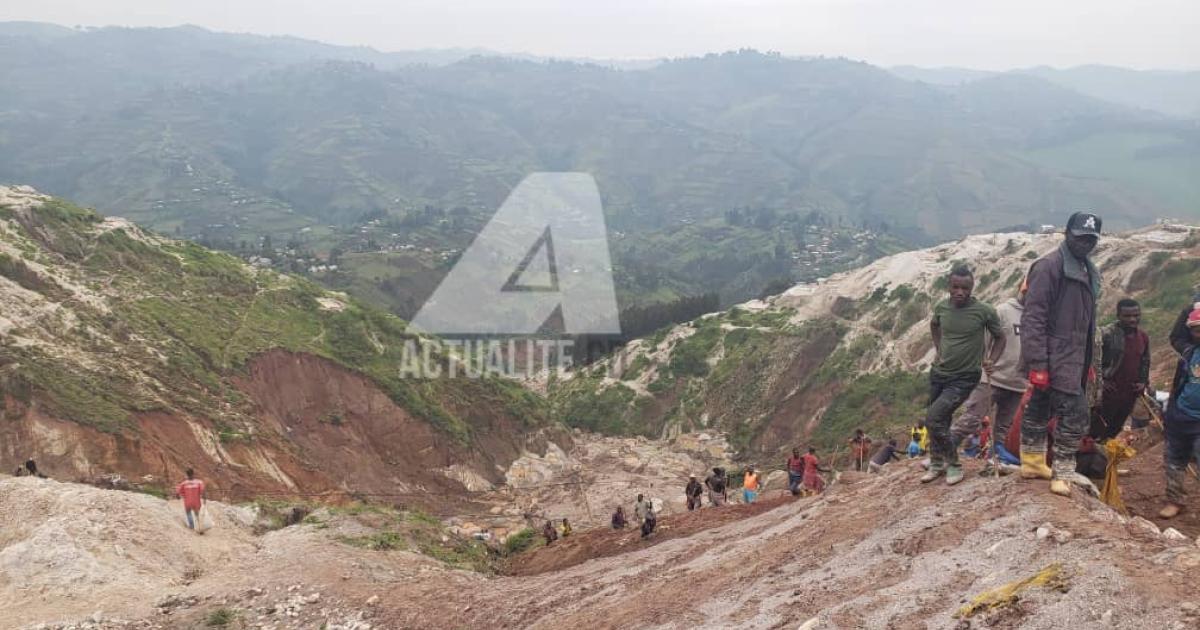
Rubaya Mining Extension Demolitions: CD Government Declares 'Red Zone'
Summary
- Over ninety families have been left homeless after their homes were demolished in Rubaya.
- The destruction is linked to illegal mining activities in an area declared a 'red zone' by the government due to rebel control.
- Local authorities appear to be turning a blind eye to the human rights implications of these developments.
- Companies operating in the DRC's mining sector must prioritize human rights and environmental sustainability.
Community Displacement in Rubaya
The scale of the displacement is staggering, with entire neighborhoods reduced to rubble.
In the heart of the mining region of Masisi, North Kivu, a devastating scene has unfolded. Over ninety families have been left homeless after their homes were demolished to make way for illegal mining activities in Rubaya, an area now declared a 'red zone' by the government, prohibiting all mining due to rebel control. The destruction of these habitations has sent shockwaves through the community, leaving many without a roof over their heads.
The scale of the displacement is staggering, with entire neighborhoods reduced to rubble. Eyewitnesses describe the scene as 'chaotic,' with families forced to flee their homes at short notice. The lack of warning or compensation has added to the trauma, leaving many feeling vulnerable and uncertain about their future.
Legal Context
The Democratic Republic of Congo (DRC) is home to some of the world's most valuable mineral resources, but this wealth often comes at a human cost. The country's mining laws are complex and poorly enforced, leaving room for exploitation by companies and individuals alike. In recent years, there have been numerous reports of community displacement and environmental degradation linked to mining activities in the DRC.
The situation in Rubaya is particularly concerning, given the lack of transparency surrounding the mining operations. Local authorities appear to be turning a blind eye to the human rights implications of these developments, leaving vulnerable communities exposed to further harm.
Why It Matters
The demolition of homes in Rubaya is not an isolated incident, but rather a symptom of a broader problem. The DRC's mining sector is plagued by corruption and a lack of accountability, with companies often prioritizing profits over people. As the global demand for minerals continues to grow, it is imperative that companies operating in the DRC prioritize human rights and environmental sustainability.
Lawyers advising clients on mining projects in the DRC should be aware of the potential human rights implications and ensure compliance with local regulations, including those related to community displacement and compensation. The Rubaya case serves as a stark reminder of the need for greater transparency and accountability in the DRC's mining sector.
Practical Implications
Lawyers advising clients on mining projects in the DRC should be aware of potential human rights implications and ensure compliance with local regulations, including those related to community displacement and compensation.
Source
How does this affect you?
Get an AI analysis of this article grounded in your jurisdictions, practice areas, and any policy documents you've uploaded to Wansom.
Wansom is AI and can make mistakes.