
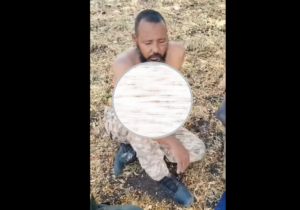
RSF Prisoner Executions: Sudan War Crimes Re-Emerge Amid Condemnation
Summary
- Footage and reports of prisoner executions by the Rapid Support Forces (RSF) have resurfaced in Sudan, drawing widespread condemnation.
- Yassir Arman, a prominent political figure, specifically condemned the RSF for alleged executions, including that of Lieutenant Colonel Osama El Sadig in Blue Nile.
- Arman warned that these alleged actions, if confirmed, constitute war crimes and severe violations of international humanitarian law, adding to abuses by both the RSF and Sudanese Armed Forces (SAF).
- He emphasized that both warring parties have committed grave abuses since April 15, 2023, targeting military prisoners and unarmed civilians accused of collaboration.
- Arman urged an end to the conflict and hate speech, stressing the need for national unity and adherence to international obligations to protect civilians and provide humanitarian aid.
What Happened
He asserted that if these allegations against the RSF are substantiated, they would unequivocally constitute a full-fledged war crime and a violation of international humanitarian law, adding to the catalogue of war crimes already attributed to both sides of the conflict.
Recent reports and visual evidence depicting the execution of prisoners have re-emerged from Sudan, intensifying concerns over severe violations occurring amidst the ongoing conflict. These developments have drawn strong condemnation from Yassir Arman, who specifically denounced the alleged executions carried out by the Rapid Support Forces (RSF). Arman also issued a stark warning regarding the potential for hate speech to fracture the nation, advocating for an immediate cessation of hostilities and concerted efforts to restore national cohesion.
The renewed circulation of these images, which portray grave abuses and horrific crimes, underscores the brutal nature of Sudan's war since its commencement on April 15, 2023. Such disturbing scenes, including prisoner executions, beheadings, disembowelment, and the severing of limbs, had seen a temporary decline following previous campaigns against these practices. However, they have now resurfaced, presenting a reality to which the Sudanese populace was unaccustomed prior to the conflict.
Violations of International Law
From the outset of the conflict, both the Sudanese Armed Forces (SAF) and the Rapid Support Forces (RSF), along with their respective allies, have consistently engaged in these types of abuses. These actions represent clear breaches of established rules of engagement, international humanitarian law, and international human rights conventions. The physical executions, which have deeply distressed civilians, have not been confined solely to military captives; unarmed civilians have also been targeted under the guise of alleged "collaboration."
Individuals residing in areas controlled by either the army or the RSF face accusations of aiding the opposing faction, leading to trials based on these unverified claims. This pattern is evidenced by the ongoing detention and prosecution of numerous human rights defenders, members of emergency response rooms, resistance committees, and other civilians. These individuals are reportedly held in clandestine detention facilities operated by security cells and military intelligence, as well as in Port Sudan Prison and the notorious Daqris Prison located in Nyala, the capital of South Darfur.
Calls for Accountability and National Unity
Yasser Arman, who leads the Sudan People’s Liberation Movement – Revolutionary Democratic Current, explicitly condemned the RSF for the execution of prisoners, noting that such violations have become widespread across Sudan. He urged active resistance against hate speech and its proliferation, cautioning that the country faces a catastrophic situation that could lead to its permanent fragmentation. Arman emphasized the critical need to end the war and dedicate efforts to constructing a Sudan founded on the unity of its people.
In an interview with Radio Dabanga, Arman confirmed he had reviewed media reports and images concerning the execution of Sudanese Armed Forces prisoners in Blue Nile, specifically mentioning Lieutenant Colonel Osama El Sadig, following their capture. He asserted that if these allegations against the RSF are substantiated, they would unequivocally constitute a full-fledged war crime and a violation of international humanitarian law, adding to the catalogue of war crimes already attributed to both sides of the conflict. Arman demanded that the RSF and its allies provide a public explanation for these events, holding the RSF accountable for what he described as a recurring pattern of crimes. He cited numerous past atrocities committed in regions including Darfur, Kordofan, Khartoum, Wad Madani, and Sennar, as well as throughout Sudan. He called for an end to crimes perpetrated by all parties, rather than focusing on just one, and warned against tribal incitement, stressing that Sudan now requires leaders capable of uniting the nation, comforting its populace, and, most importantly, safeguarding civilians. Arman underscored that human rights conventions and international humanitarian law mandate warring parties to protect civilians, facilitate humanitarian assistance, and address the severe humanitarian crisis. He concluded by observing that while war has existed for millennia with established rules, armies should not wage conflict at the expense of vulnerable populations, such as orphans, bereaved families, women, and children, highlighting that the current conflict poses a greater danger than previous ones.
Practical Implications
Lawyers specializing in international criminal law or human rights should monitor these alleged war crimes by the RSF and SAF in Sudan, as they constitute severe violations of international humanitarian law. This development underscores the heightened risk of accountability proceedings and necessitates advising clients on enhanced human rights due diligence and compliance risks for any operations or engagements within the conflict-affected region.
Source
How does this affect you?
Get an AI analysis of this article grounded in your jurisdictions, practice areas, and any policy documents you've uploaded to Wansom.
Finish Reading the Full Story and the Expert Analysis.
Get the latest legal & regulatory intelligence in Sudan
Wansom is AI and can make mistakes.