
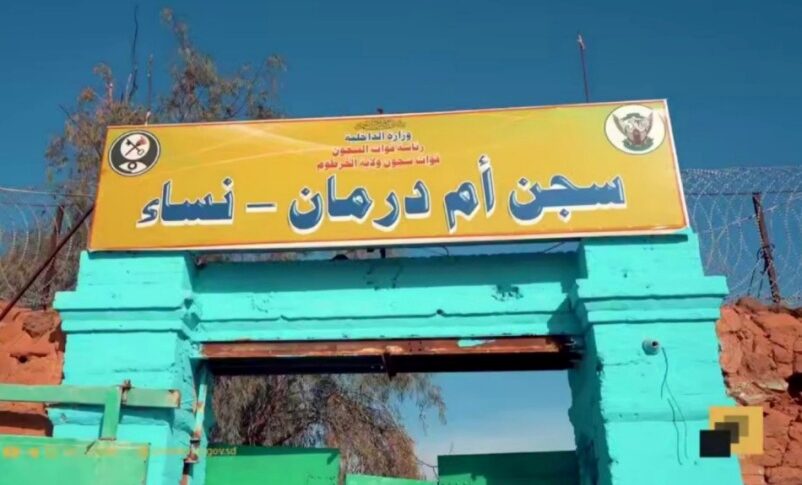
Sudan: 7 Female Inmates Die in Omdurman Prison Amid Poor Conditions
The Sudanese Human Rights Network reported on November 27, 2026, the deaths of seven female inmates within one week at Omdurman Women's Prison in Sudan, amidst severe shortages of medical care and food, and deteriorating humanitarian and health conditions. The network, in a statement, expressed grave concern over the death of inmate Suheila Abdel Karim, whose demise was attributed to potential medical negligence and a lack of adequate healthcare and nutrition, noting she was imprisoned for failing to meet a financial obligation. This incident was followed by reports of six additional inmate deaths within the same week, bringing the total reported fatalities to seven. The network has urgently called for an independent and swift investigation to ascertain the causes and circumstances surrounding these deaths and to hold any responsible parties accountable for negligence.
This development carries profound legal significance for practitioners, particularly those involved in human rights, criminal defense, and public interest litigation in Sudan. The reported deaths highlight a critical failure by the state to uphold its fundamental duty of care towards individuals deprived of their liberty, directly implicating international human rights standards. The situation underscores the severe consequences of inadequate prison conditions, especially in conflict-affected regions, and raises serious questions about the legality and ethics of detaining individuals for civil debt, particularly when such detention leads to life-threatening conditions. For businesses, the deteriorating rule of law and human rights environment can signal increased operational risks and reputational damage, necessitating heightened due diligence regarding supply chains and local partnerships.
The legal context for this situation is rooted in both domestic and international law, particularly international human rights instruments. Sudan, as a signatory to various international conventions, is bound by obligations to ensure humane treatment of detainees, including the provision of adequate healthcare, food, water, and sanitation, as stipulated by instruments like the UN Standard Minimum Rules for the Treatment of Prisoners (Mandela Rules) and the International Covenant on Civil and Political Rights. The ongoing conflict in Sudan since April 2023 has exacerbated the humanitarian crisis, placing immense strain on public services and detention facilities, but does not absolve the state of its responsibilities. The call for an independent investigation aligns with principles of accountability and transparency, crucial for upholding the rule of law and preventing impunity for human rights violations.
The key parties involved in this critical situation include the Sudanese Human Rights Network, which brought these alarming deaths to light and is advocating for accountability. The Omdurman Women's Prison, known as “Dar Al-Ta'ibat,” is the facility where these tragic events occurred, placing its administration and the broader Sudanese correctional services under scrutiny. The Sudanese government and its relevant ministries are ultimately responsible for the conditions within detention facilities and for ensuring the protection of human rights. The deceased inmates, including Suheila Abdel Karim, represent the victims whose fundamental rights have allegedly been violated. International human rights organizations and bodies also play a crucial role in monitoring and advocating for adherence to international standards.
Attorneys and legal professionals in Sudan should closely monitor the progress and findings of the requested independent investigation into these deaths, as its outcome could set precedents for accountability in detention facilities. Practitioners should be prepared to engage in legal advocacy, potentially through habeas corpus petitions or civil actions for wrongful death or negligence, on behalf of detainees or their families. There is a pressing need for legal aid services for individuals, particularly women, detained for civil financial obligations, as their imprisonment may violate international norms against such detention when it leads to inhumane conditions. Furthermore, legal professionals should continue to document and report human rights abuses within detention centers, leveraging both domestic and international mechanisms to press for systemic reforms and ensure adherence to international standards for the treatment of prisoners, especially in the context of ongoing conflict and humanitarian crises.
How does this affect you?
Get an AI analysis of this article grounded in your jurisdictions, practice areas, and any policy documents you've uploaded to Wansom.
Finish Reading the Full Story and the Expert Analysis.
Get the latest legal & regulatory intelligence in Sudan
Wansom is AI and can make mistakes.