
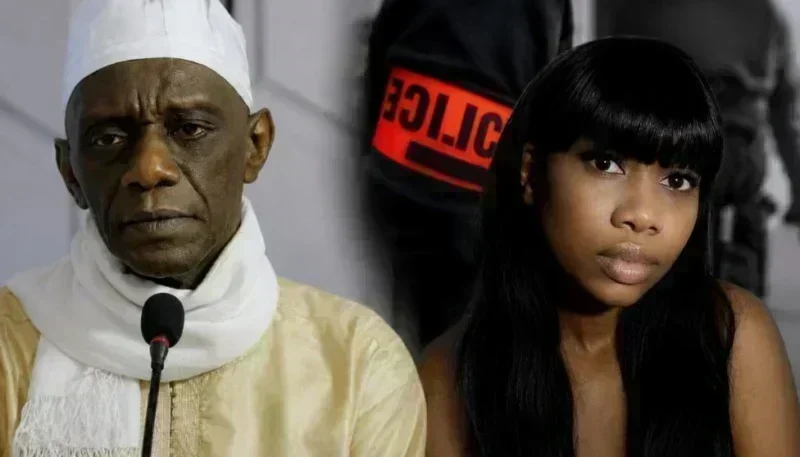
Rox Rokhaya Fall Garde à Vue DSC Sénégal: Prosecutor's Order
Summary
- Social media influencer Rokhaya Fall, known as "Rox la Chancelière," is in police custody at Senegal's Division spéciale de cybercriminalité (DSC).
- Her detention was ordered by the prosecutor after she was questioned about multiple complaints filed against her, following an earlier visit to the DSC to file her own complaint.
- Two other individuals have also been placed in custody in connection with the ongoing legal procedure.
- Mame Makhtar Guèye, vice-president of Jamra, is going to the DSC to support Fall, moved by a TikTok tribute she made to his family.
- The charges against Fall are linked to several ongoing complaints, highlighting increased legal scrutiny of online content in Senegal.
Influencer Detained by Cybercrime Unit
The detention of Rokhaya Fall by the Division spéciale de cybercriminalité (DSC) underscores the increasing legal scrutiny faced by social media personalities in Senegal, particularly concerning content published online.
Rokhaya Fall, a prominent social media influencer known online as "Rox la Chancelière," has been placed in police custody, or garde à vue, by Senegal's Division spéciale de cybercriminalité (DSC). Her detention followed an official instruction from the prosecutor, issued after she had undergone an audition at the DSC. This development also saw two other individuals placed under similar custody.
Interestingly, Ms. Fall's current predicament follows a visit she made to the DSC on August 31, accompanied by her two children, where her initial intention was to file a complaint. However, during that same visit, she was subsequently questioned regarding various complaints that had been lodged against her, ultimately leading to her current detention. The specific allegations against the influencer are reportedly linked to these multiple ongoing complaints, which form part of an active legal procedure.
In a show of support, Mame Makhtar Guèye, the vice-president of the Jamra organization, announced his intention to travel to the DSC premises. Mr. Guèye's decision to support Ms. Fall stems from a TikTok video she posted, in which she paid tribute to his family following a personal ordeal. He publicly expressed being moved by her words, despite never having met the TikTok personality in person. He characterized his journey to the DSC to inquire about Rokhaya Fall's situation as "a minimum" gesture of solidarity.
Legal Scrutiny of Online Content
The detention of Rokhaya Fall by the Division spéciale de cybercriminalité (DSC) underscores the increasing legal scrutiny faced by social media personalities in Senegal, particularly concerning content published online. The DSC, a specialized unit focused on cybercrime, played a direct role in her placement under garde à vue, acting on a prosecutor's instruction. This highlights the proactive enforcement measures taken by Senegalese authorities in cases involving digital activities.
The fact that Ms. Fall was initially at the DSC to file her own complaint, only to then be questioned and subsequently detained based on complaints against her, illustrates the complex legal landscape surrounding online expression. The ongoing procedure, which involves multiple complaints, suggests a broader investigation into her digital footprint and interactions. This situation serves as a significant indicator of how online conduct, especially for public figures like influencers, is being monitored and can lead to serious legal consequences, including detention for alleged cybercriminalité.
Implications for Digital Influencers
This case involving Rox Rokhaya Fall and her detention by the DSC in Senegal carries substantial implications for the burgeoning community of digital influencers. It clearly demonstrates that online content creators are not immune to legal repercussions for their posts and interactions, especially when complaints are filed against them. The active involvement of the Division spéciale de cybercriminalité signals a heightened focus on regulating the digital space and holding individuals accountable for their online actions.
The incident serves as a stark reminder that the line between public commentary and actionable offenses is increasingly blurred in the digital age. For influencers operating in Senegal, the potential for detention based on online activities, particularly when multiple complaints are involved, is a tangible risk. This development could prompt a re-evaluation of content strategies and legal compliance among those who leverage social media for their public presence, emphasizing the need for caution and adherence to legal standards in their digital engagements.
Practical Implications
This case underscores the increasing legal scrutiny and potential for detention faced by social media influencers in Senegal for content posted online, particularly concerning complaints filed against them. Lawyers advising clients in digital media or compliance officers monitoring online conduct should note the active role of the Division spéciale de cybercriminalité (DSC) in such matters.
Source
Source: Original reporting via Kawtef
How does this affect you?
Get an AI analysis of this article grounded in your jurisdictions, practice areas, and any policy documents you've uploaded to Wansom.
Finish Reading the Full Story and the Expert Analysis.
Wansom is AI and can make mistakes.