
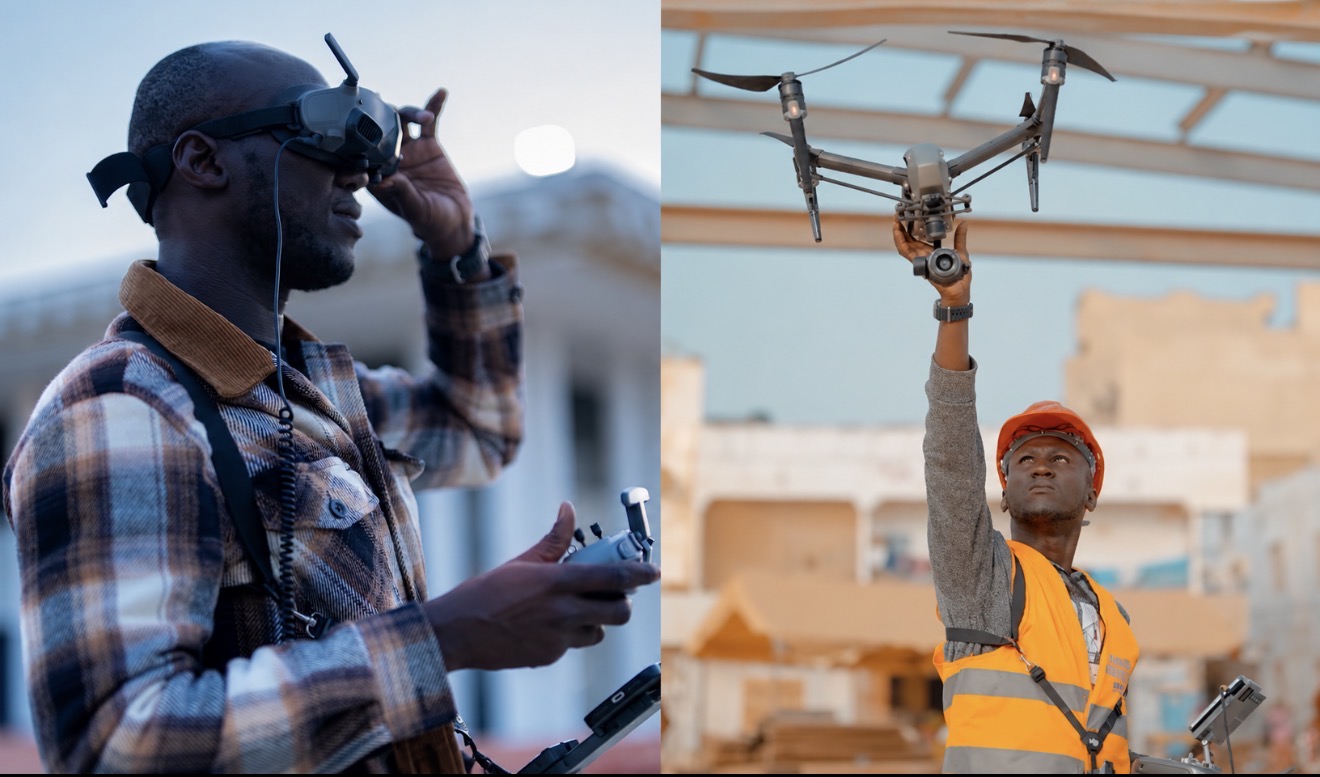
Dakar Court: Rone Drone Defamation Conviction, Suspended Sentence
Summary
- Amadou Arona Wade, known as Rone Drone, was convicted of defamation by the Dakar High Court.
- The conviction resulted from a case brought by Abou Traoré concerning allegations related to "goods purchased in New York."
- Rone Drone received a one-month suspended prison sentence for the defamation conviction.
- The court ordered Rone Drone to pay 500,000 FCFA in damages to Abou Traoré.
- The judgment was rendered following a hearing on September 23, 2026.
What Happened
Legal practitioners advising clients on media law, civil liability, or criminal defense in Senegal should note this recent judgment from the Dakar High Court, as it offers a clear example of the potential consequences for public statements deemed defamatory.
The Third Criminal Chamber of the Tribunal de grande instance hors classe de Dakar recently delivered a verdict in a high-profile defamation case, finding Amadou Arona Wade, widely recognized by his alias Rone Drone, guilty of defamation. The court's decision, stemming from a hearing held on September 23, 2026, concluded a legal dispute initiated by Abou Traoré. This conviction marks a significant development in the ongoing discourse surrounding public commentary and legal accountability in Senegal.
As a consequence of the defamation conviction, the Dakar High Court imposed a sentence of one month of imprisonment, which was suspended. In addition to the criminal penalty, Rone Drone was also ordered to pay civil damages. The court mandated a payment of 500,000 FCFA to Abou Traoré as compensation for the harm suffered. The specific allegations that formed the basis of this defamation case revolved around an "affaire des marchandises achetées à New York," indicating the nature of the contentious statements made by Wade.
Legal Context in Senegal
This judgment from the Tribunal de grande instance Dakar diffamation chamber provides a contemporary illustration of how the Sénégal droit de la presse diffamation is applied. Defamation, under Senegalese law, can carry both criminal penalties and civil liabilities, as demonstrated by the dual nature of the court's ruling. The imposition of a peine avec sursis diffamation Sénégal signifies that while a criminal offense was committed, the execution of the prison sentence is conditional on the defendant not committing further offenses within a specified period.
The award of dommages et intérêts diffamation Dakar further underscores the civil aspect of such cases. This financial compensation is intended to redress the personal and reputational harm suffered by the plaintiff, Abou Traoré, due to the defamatory statements. Legal practitioners advising clients on media law, civil liability, or criminal defense in Senegal should note this recent judgment from the Dakar High Court, as it offers a clear example of the potential consequences for public statements deemed defamatory.
Why This Matters
The Rone Drone defamation conviction Dakar carries substantial implications for individuals engaged in public commentary, particularly those operating within the digital sphere or traditional media in Senegal. The outcome serves as a potent reminder that freedom of expression is not absolute and is subject to legal limitations, especially when statements are found to be false and damaging to another's reputation. This case highlights the judiciary's role in balancing free speech with the protection of individual integrity.
For legal professionals, this ruling provides valuable insight into current judicial trends regarding defamation cases in the country. The specific quantum of damages awarded and the nature of the suspended sentence can inform risk assessments and litigation strategies for similar disputes. It reinforces the need for careful consideration of factual accuracy and potential legal repercussions when making public accusations or criticisms, thereby shaping the landscape of public discourse and accountability in Senegal.
Practical Implications
Lawyers advising clients on media law, civil liability, or criminal defense in Senegal should note this recent judgment from the Dakar High Court. It provides a contemporary example of sentencing (suspended imprisonment) and damages awarded (500,000 FCFA) in a defamation case, which can inform risk assessments and litigation strategies for similar disputes.
Source
How does this affect you?
Get an AI analysis of this article grounded in your jurisdictions, practice areas, and any policy documents you've uploaded to Wansom.
Finish Reading the Full Story and the Expert Analysis.
Get the latest legal & regulatory intelligence in Senegal
Wansom is AI and can make mistakes.