
Rising Tide Paddle Planet Legal Challenge NSW: Police Seek Protest Ban
Summary
- Rising Tide's "Paddle for the Planet" protest in Newcastle, scheduled for November 14, faces a legal challenge from NSW Police.
- NSW Police applied to the Supreme Court to ban the public assembly, despite Rising Tide submitting a Form 1 Notice in September.
- Climate Defenders Australia, representing Rising Tide, criticized the police for delaying action on the Form 1 Notice until November 5.
- Newcastle Council voted on November 10 to prohibit Rising Tide events on its land, following advice from NSW Premier Chris Minns.
- The case highlights critical issues regarding protest rights and the procedural handling of public assembly notices in New South Wales.
The Planned Protest and Legal Confrontation
This ongoing legal confrontation offers critical insight into the procedural challenges and judicial oversight concerning public assembly notices (Form 1) and protest rights in New South Wales.
Grassroots environmental organization Rising Tide is currently embroiled in a legal dispute with the New South Wales Police, stemming from its planned "Paddle for the Planet" event in Newcastle. This public assembly, scheduled for Saturday, November 14, aims to draw attention to the need for new employment opportunities and financial support for coal workers, alongside advocating for a safe and habitable climate for all. Participants intend to paddle towards the Port of Newcastle, recognized as the world's largest coal export facility, while family-friendly activities are also planned for Horseshoe Beach.
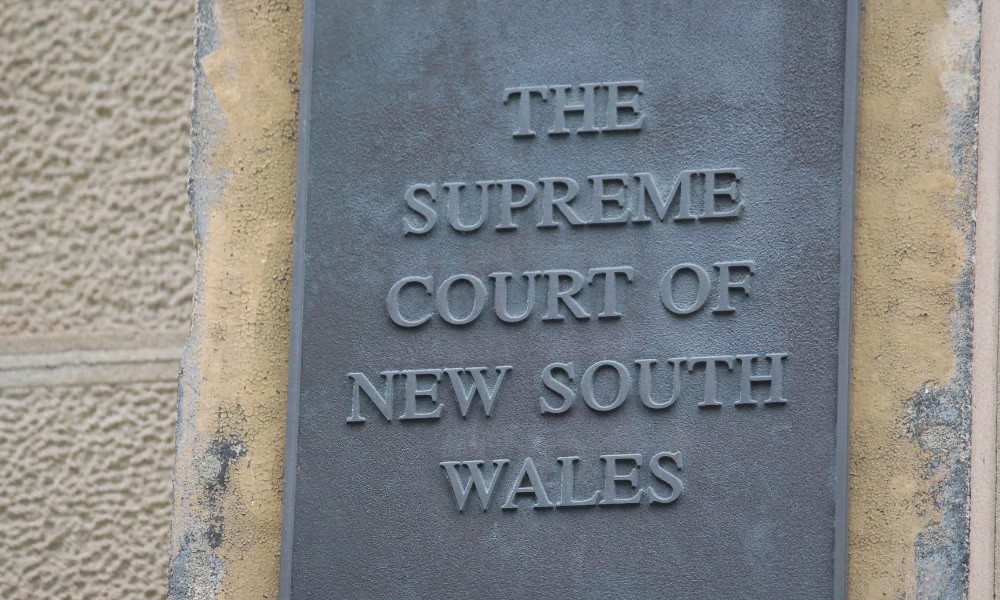
Climate Defenders Australia, acting as Rising Tide's legal representative, has clarified that this particular demonstration is distinct from the group's previous, more disruptive "People's Blockade flotilla." The organization emphasizes the peaceful and short nature of the protest, which seeks to highlight the environmental impact of Australian coal exports. However, the NSW Police Commissioner has initiated proceedings in the Supreme Court of NSW, seeking an injunction to prohibit the assembly, setting the stage for a significant legal battle over public protest rights. This Rising Tide Paddle Planet legal challenge NSW is now a focal point for discussions around environmental activism and legal boundaries.
Procedural Hurdles and Police Action
In adherence to New South Wales legislation governing public demonstrations, Rising Tide submitted a Form 1 Notice of intention to hold a public assembly back in September. This formal notification, provided to the police on September 17, outlined the group's plans for the upcoming protest. Despite this timely submission, Rising Tide initially received no response from law enforcement. After multiple follow-up attempts, the group was informed on November 5 that the NSW Police Commissioner had applied to the Supreme Court to ban the planned assembly.
Dr. Josh Pallas, the legal director for Climate Defenders Australia, expressed strong concerns regarding the police's handling of the Form 1 Notice. He noted the considerable delay, stating that the Commissioner held onto the notice from September 17 until commencing legal proceedings on November 5. Pallas criticized this approach, arguing that it is an inappropriate way for the government to treat concerned citizens seeking to peacefully protest political issues. The significant time pressure under which Climate Defenders Australia has had to prepare for this case underscores the procedural challenges faced by activist groups when navigating the legal framework for public assembly in New South Wales.
Implications for Protest Rights in New South Wales
This ongoing legal confrontation offers critical insight into the procedural challenges and judicial oversight concerning public assembly notices (Form 1) and protest rights in New South Wales. Dr. Pallas underscored the importance of this case for the broader landscape of protest rights, particularly as his client seeks to conduct a brief and safe demonstration on waters used for coal transport. The context of coal in the Hunter region, which Pallas described as a "red-hot issue," further amplifies the political sensitivity surrounding the protest.
Adding another layer to the dispute, the Newcastle Council voted on the evening of November 10 to prohibit Rising Tide from conducting events on council-owned land. This decision followed a consultation with NSW Premier Chris Minns, who reportedly advised the council that it could be deemed complicit if any unlawful activities were to occur during the protests. This intervention by the Premier and the council's subsequent action highlight the complex interplay between local government, state leadership, and the rights of citizens to engage in public demonstration, especially when facing a NSW Police protest ban Supreme Court application. The outcome of this Climate Defenders Australia legal challenge will undoubtedly set precedents for future protest rights New South Wales cases.
Practical Implications
This case provides critical insight into the procedural challenges and judicial oversight concerning public assembly notices (Form 1) and protest rights in New South Wales. Lawyers advising activist groups must understand the police commissioner's powers to seek protest bans and the timelines involved, while compliance officers for entities potentially impacted by protests should monitor the outcome for precedents on managing public demonstrations.
Source
How does this affect you?
Get an AI analysis of this article grounded in your jurisdictions, practice areas, and any policy documents you've uploaded to Wansom.
Finish Reading the Full Story and the Expert Analysis.
Get the latest legal & regulatory intelligence in Australia
Wansom is AI and can make mistakes.