
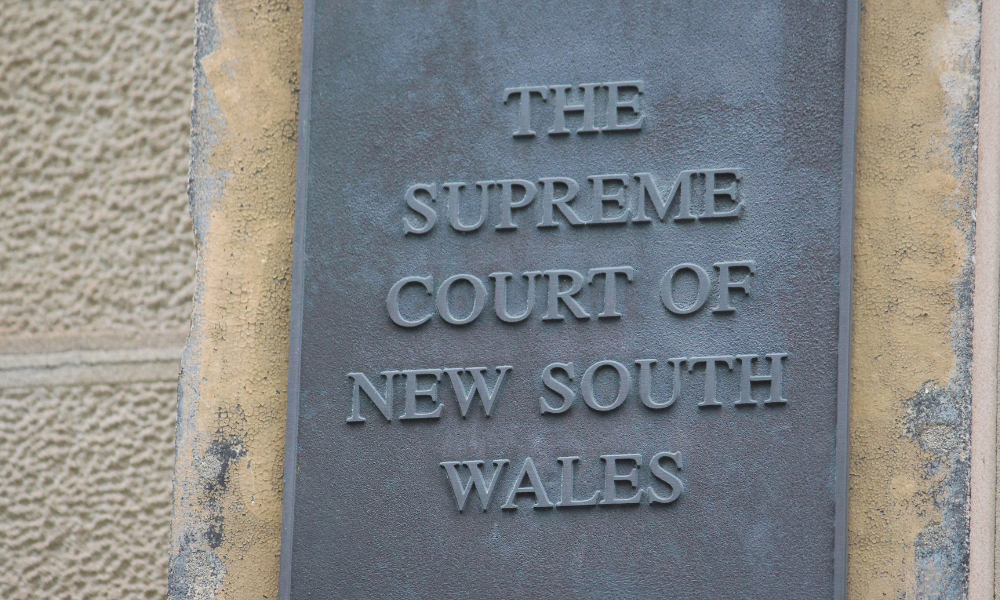
NSW Court of Appeal: Dismisses He v N & G Superannuation Bias Claims
Summary
- The NSW Court of Appeal dismissed an appellant's applications for judicial recusal and to reopen an appeal in He v N & G Superannuation Pty Ltd.
- The appellant sought the recusal of Leeming JA and Kirk JA for apprehended bias and aimed to allege bias against the primary judge.
- The court found no basis for apprehended bias against either Leeming JA or Kirk JA, stating no matters would lead to a perception of partiality.
- The applications were denied based on overwhelming considerations from ss 56-60 of the Civil Procedure Act 2005 (NSW) and the appellant's prior opportunities.
- The ruling emphasizes the high threshold for proving judicial bias and strict adherence to case management principles in New South Wales.
What Happened
For legal practitioners and their clients, this outcome reinforces the critical need for meticulous preparation and comprehensive presentation of all arguments and evidence at the earliest possible juncture.
The New South Wales Court of Appeal recently dismissed a series of applications in the case of He v N & G Superannuation Pty Ltd acting as trustee for N & G Superannuation Trust (No 2) [2026] NSWCA 236. The appellant in this matter sought to have two judges, Leeming JA and Kirk JA, recused from the proceedings due to an alleged reasonable apprehension of bias. This request was made via a notice of motion filed just two days after the initial appeal hearing had concluded.
In addition to the Leeming JA Kirk JA recusal request, the appellant also sought to amend his existing notice of appeal. This amendment aimed to introduce new allegations of both apprehended and actual bias against the primary judge who presided over the original District Court decision, which stemmed from a dispute concerning a contract for the sale of land. Furthermore, the appellant requested leave to reopen the case, intending to provide additional submissions to the court.
The applications were swiftly addressed by the Court of Appeal. Leeming JA delivered ex tempore reasons denying the requests, with Kirk JJA and Ball JJA concurring with this decision. Ultimately, on November 6, 2026, the NSW Court of Appeal formally dismissed the appellant's amended notice of motion, which had been filed on October 1, 2026. This comprehensive dismissal meant the court refused to recuse the two judges, declined to reopen the appeal hearing, and disallowed the appellant from presenting further submissions, including those pertaining to the allegations of bias against the primary judge.
Addressing Bias Claims
The Court of Appeal’s decision to deny the recusal applications for Leeming JA and Kirk JA was based on a thorough assessment of the judicial apprehended bias NSW claims. Given that both Leeming JA and Kirk JA had individually declined to recuse themselves, the remaining members of the bench, including Ball JJA, determined it was appropriate for them to collectively address the issue concerning both judges. For efficiency and clarity, the court opted to combine the reasoning of all three judges into a single, joint judgment.
When evaluating the specific points raised against Leeming JA, the appellate court concluded that none of them met the initial threshold required for an argument of apprehended bias. The court found no evidence or circumstances that could potentially lead Leeming JA to resolve the issues presented on any basis other than their inherent legal and factual merits. This stringent standard highlights the difficulty in establishing such claims.
Similarly, the allegations directed at Kirk JA were also found to be unsubstantiated. The Court of Appeal meticulously examined each point, both individually and cumulatively, and determined that no aspect would lead a fair-minded lay observer to reasonably apprehend that Kirk JA might not impartially resolve the issues before the court. This consistent finding across both judges underscores the high bar set for proving judicial bias in New South Wales.
Case Management and Procedural Fairness
A significant factor in the Court of Appeal's decision was its adherence to established case management principles, particularly those outlined in ss 56-60 of the Civil Procedure Act 2005 (NSW). The court identified overwhelming considerations that weighed against permitting the appellant to introduce additional appeal grounds at such a late stage. These principles emphasize the efficient and timely resolution of disputes, aiming to prevent unnecessary delays and ensure procedural fairness for all parties.
The court also noted that it had previously adjudicated an application by the appellant to add a ground specifically related to apprehended bias. This prior ruling indicated that the appellant had already been afforded an opportunity to raise such concerns. The NSW Court of Appeal explicitly stated that the appellant had been given "a practical and fair opportunity to present his substantive appeal" during the initial proceedings.
Consequently, in light of the robust case management framework provided by the Civil Procedure Act 2005 (NSW), the appellate court found no compelling reason to permit the "exceptional course" of allowing further written submissions. This firm stance reinforces the judiciary's commitment to ensuring that litigants present all their arguments and evidence comprehensively and promptly, rather than attempting to introduce new material or re-litigate issues after an appeal hearing has concluded. The denial of the reopen appeal application NSW was a direct consequence of these principles.
Why It Matters
The ruling in He v N & G Superannuation bias serves as a crucial reminder of the stringent standards applied by the NSW Court of Appeal when considering claims of judicial bias and applications to reopen proceedings. The case clearly demonstrates the high threshold that must be met to establish judicial apprehended bias NSW, requiring concrete evidence that a fair-minded observer would reasonably perceive a lack of impartiality. Mere dissatisfaction with an outcome or a judge's conduct is insufficient to meet this demanding test.
Furthermore, this decision underscores the paramount importance of case management principles, as enshrined in Civil Procedure Act 2005 NSW ss 56-60. Courts in New South Wales are increasingly reluctant to grant applications that seek to introduce new arguments or evidence after an appeal has been heard, especially when the litigant has already had ample opportunity to present their case. The court's emphasis on the appellant having had a "practical and fair opportunity" highlights the expectation that all relevant matters should be brought forward during the initial stages of an appeal.
For legal practitioners and their clients, this outcome reinforces the critical need for meticulous preparation and comprehensive presentation of all arguments and evidence at the earliest possible juncture. The court's refusal to grant the reopen appeal application NSW or allow further submissions sends a clear message: procedural deadlines and the finality of appeal hearings are taken seriously. Failing to present a complete case initially can lead to procedural hurdles and the dismissal of subsequent applications, regardless of their perceived merit.
Practical Implications
This ruling underscores the high threshold for proving judicial bias and the strict application of case management principles in NSW. Lawyers should advise clients that courts are reluctant to reopen cases or allow late submissions, emphasizing the critical importance of presenting all arguments and evidence thoroughly and promptly during initial proceedings to avoid procedural hurdles and potential dismissal of subsequent applications.
Source
How does this affect you?
Get an AI analysis of this article grounded in your jurisdictions, practice areas, and any policy documents you've uploaded to Wansom.
Finish Reading the Full Story and the Expert Analysis.
Get the latest legal & regulatory intelligence in Australia
Wansom is AI and can make mistakes.