
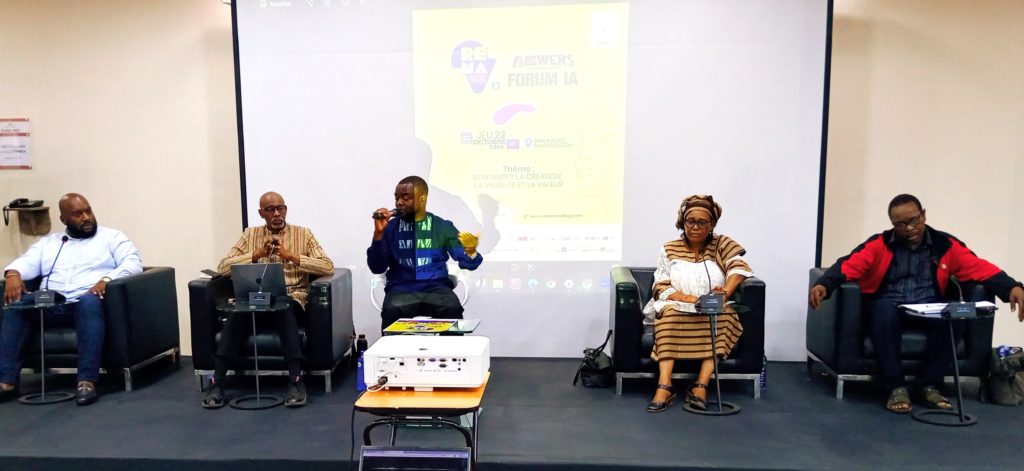
REMA 2026: Burkina Faso Débat Intelligence Artificielle Droits d'Auteur
Summary
- An AI Forum was held in Ouagadougou on October 22, 2026, as part of REMA 2026.
- The forum focused on how to utilize artificial intelligence in music production.
- A key discussion point was the protection of creators' rights in the context of AI.
- Music professionals gathered to address the challenges AI presents to African music creation.
- The event aimed to explore the intersection of REMA 2026 intelligence artificielle droits d'auteur.
The REMA 2026 AI Forum
A primary focus of the AI Forum centered on a fundamental question: how can the burgeoning capabilities of artificial intelligence be effectively harnessed within music production while simultaneously ensuring the robust protection of creators' rights?
The Rencontres musicales africaines (REMA) in Ouagadougou served as the backdrop for a dedicated forum addressing the intersection of artificial intelligence and the music industry. This specialized AI Forum convened on Thursday, October 22, 2026, bringing together various stakeholders to deliberate on pressing issues. The gathering was a significant component of the broader REMA 2026 agenda, highlighting the growing importance of technological advancements within the African creative sector.
Professionals from across the music landscape were among those who participated in the discussions. Their presence underscored the relevance of the topics at hand, particularly concerning the future trajectory of music creation and distribution on the continent. The forum's setting in Ouagadougou provided a central location for these critical conversations to unfold, drawing attention to Burkina Faso's role in hosting such pivotal industry events. The specific date of October 22, 2026, marked a moment for focused engagement on these emerging challenges and opportunities.
Navigating AI and Creator Rights
A primary focus of the AI Forum centered on a fundamental question: how can the burgeoning capabilities of artificial intelligence be effectively harnessed within music production while simultaneously ensuring the robust protection of creators' rights? This core dilemma formed the crux of the exchanges among the assembled experts and professionals. The discussions sought to explore pathways for integrating AI tools and technologies into the creative process without undermining the intellectual property and livelihoods of artists and composers.
The forum specifically addressed the inherent challenges that artificial intelligence presents to African music creation. Participants grappled with the complexities of copyright in an era where AI can generate or assist in the production of musical works. The objective was to identify strategies and frameworks that could allow the African music industry to capitalize on AI's potential for innovation and efficiency, all while upholding the foundational principles of intellectual property and fair compensation for human creators. This delicate balance was a recurring theme throughout the day's proceedings, reflecting a proactive approach to a rapidly evolving technological landscape.
Implications for African Music
The deliberations at the REMA 2026 AI Forum carry substantial implications for the future of the African music industry. By confronting the challenges posed by artificial intelligence and copyright head-on, the event aimed to lay groundwork for sustainable growth and innovation within the sector. The discussions highlighted the urgent need for African music stakeholders to develop informed strategies regarding AI integration, ensuring that technological progress serves to empower rather than diminish the role of human creativity.
The forum's emphasis on the "défis création musicale africaine IA" (challenges for African music creation regarding AI) underscores a recognition that the continent's unique cultural heritage and artistic expressions require tailored approaches to AI governance and protection créateurs musique IA. The engagement of music professionals in Ouagadougou on this critical date signifies a collective effort to shape a future where AI can be a beneficial tool for African artists, producers, and the industry at large, rather than a source of legal or economic vulnerability. These conversations are vital for establishing a framework that supports both technological advancement and the enduring value of human artistic endeavor.
Practical Implications
Lawyers advising clients in the African music industry, particularly those involved with AI-driven content creation or distribution, should monitor discussions from events like REMA 2026 for emerging legal frameworks, policy shifts, or interpretations concerning copyright protection and intellectual property rights in the age of artificial intelligence. This could impact licensing agreements, royalty structures, and compliance obligations for artists, producers, and tech companies operating in the region.
Source
How does this affect you?
Get an AI analysis of this article grounded in your jurisdictions, practice areas, and any policy documents you've uploaded to Wansom.
Finish Reading the Full Story and the Expert Analysis.
Get the latest legal & regulatory intelligence in Burkina Faso
Wansom is AI and can make mistakes.