
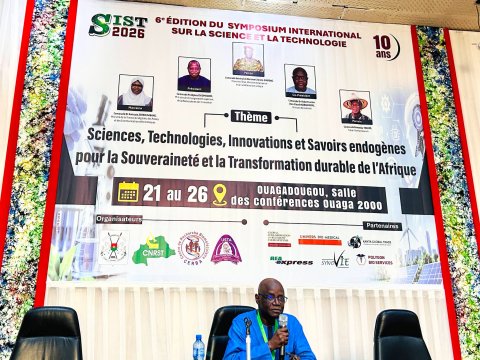
Burkina Faso: SIST 2026 Intelligence Artificielle Symposium Addresses Ethics, IP
Summary
- The 6th International Symposium on Science and Technology (SIST) commenced with an inaugural conference focused on artificial intelligence's impact on scientific research.
- The symposium's central theme explored the ethical, bioethical, biosecurity, and intellectual property challenges posed by AI.
- Distinguished speakers, Professor Jacques Simporé and Professor Giuseppe Novelli, initiated the critical debate.
- Discussions aim to address how AI accelerates research while presenting new challenges to scientific sovereignty.
- The outcomes are expected to influence future regulatory frameworks for AI in scientific research across Africa, including Burkina Faso.
The Inaugural Debate on AI's Impact
The insights and recommendations emerging from events like SIST are crucial for policymakers, legal professionals, and compliance officers.
The 6th edition of the International Symposium on Science and Technology (SIST) recently commenced with a pivotal inaugural conference, setting the stage for critical discussions on the evolving landscape of scientific research. This significant gathering centered its focus on the profound implications of artificial intelligence, specifically addressing the complex interplay between AI advancements and fundamental principles of ethics, bioethics, biosecurity, and intellectual property. The symposium aims to navigate how AI accelerates research while simultaneously presenting novel challenges to scientific sovereignty, particularly within the context of nations like Burkina Faso.
The foundational discourse for this essential debate was expertly laid by two distinguished academics. Professor Jacques Simporé, a renowned geneticist and bioethicist, joined forces with Professor Giuseppe Novelli, who holds a professorship in Medical Genetics at the prestigious University of Rome Tor Vergata. Their contributions at the outset of SIST underscored the urgency and necessity of a comprehensive examination into AI's role in shaping the future of scientific inquiry and its societal ramifications.
Navigating Ethical Frontiers and Legal Frameworks
The core problematic explored at the SIST inaugural conference delves into multifaceted areas crucial for the responsible development and application of artificial intelligence in scientific endeavors. Discussions around ethics and bioethics are paramount, considering the potential for AI to transform biological and medical research. This includes scrutinizing the moral implications of AI-driven diagnostics, genetic engineering, and data handling, ensuring that technological progress aligns with human values and well-being. The emphasis on bioethics in Africa, particularly concerning AI, highlights the need for culturally sensitive and locally relevant guidelines.
Furthermore, the symposium tackled the critical issue of biosecurity, an increasingly vital concern as AI tools become more sophisticated and accessible in biological research. Safeguarding against misuse and ensuring the secure application of AI in sensitive scientific fields is essential for global health and stability. Concurrently, the complex domain of intellectual property in the age of AI was a central theme. As AI systems generate novel discoveries and innovations, establishing clear frameworks for ownership, attribution, and commercialization becomes imperative. This includes considering how existing intellectual property rights in Burkina Faso and across Africa will adapt to AI-generated inventions and data, influencing the future of research and development. The ongoing dialogue aims to inform the development of robust legal and regulatory frameworks for artificial intelligence in Burkina Faso.
Implications for African Scientific Sovereignty and Regulation
The deliberations at the International Symposium on Science and Technology carry significant weight for the future of scientific research and technological development, particularly for Burkina Faso and the broader African continent. The rapid acceleration of research capabilities through artificial intelligence presents both immense opportunities and considerable challenges to maintaining scientific sovereignty. Ensuring that African nations can harness AI's potential while safeguarding their data, research outputs, and ethical standards is a key outcome anticipated from such discussions. The symposium provides a vital platform for experts to shape the discourse around AI, research, and ethics in Burkina Faso, fostering a proactive approach to emerging technologies.
The insights and recommendations emerging from events like SIST are crucial for policymakers, legal professionals, and compliance officers. The discussions on AI, bioethics, biosecurity, and intellectual property in scientific research are poised to influence future regulatory developments and compliance standards not only in Burkina Faso but potentially across the entire African region. This evolving landscape will inevitably impact R&D strategies, data governance protocols, and ethical review processes for any entity operating within the scientific and technological sectors. Monitoring these outcomes is essential for understanding the trajectory of droit intelligence artificielle in Burkina Faso and the broader regulation of AI research in Africa, ensuring preparedness for anticipated changes by 2026 and beyond.
Practical Implications
Lawyers and compliance officers should closely monitor the outcomes and recommendations from SIST 2026, as discussions on AI, bioethics, biosecurity, and intellectual property in scientific research are likely to influence future regulatory developments and compliance standards in Burkina Faso and potentially across Africa. This could impact R&D strategies, data governance, and ethical review processes for clients operating in scientific and technological sectors.
Source
How does this affect you?
Get an AI analysis of this article grounded in your jurisdictions, practice areas, and any policy documents you've uploaded to Wansom.
Finish Reading the Full Story and the Expert Analysis.
Get the latest legal & regulatory intelligence in Burkina Faso
Wansom is AI and can make mistakes.