
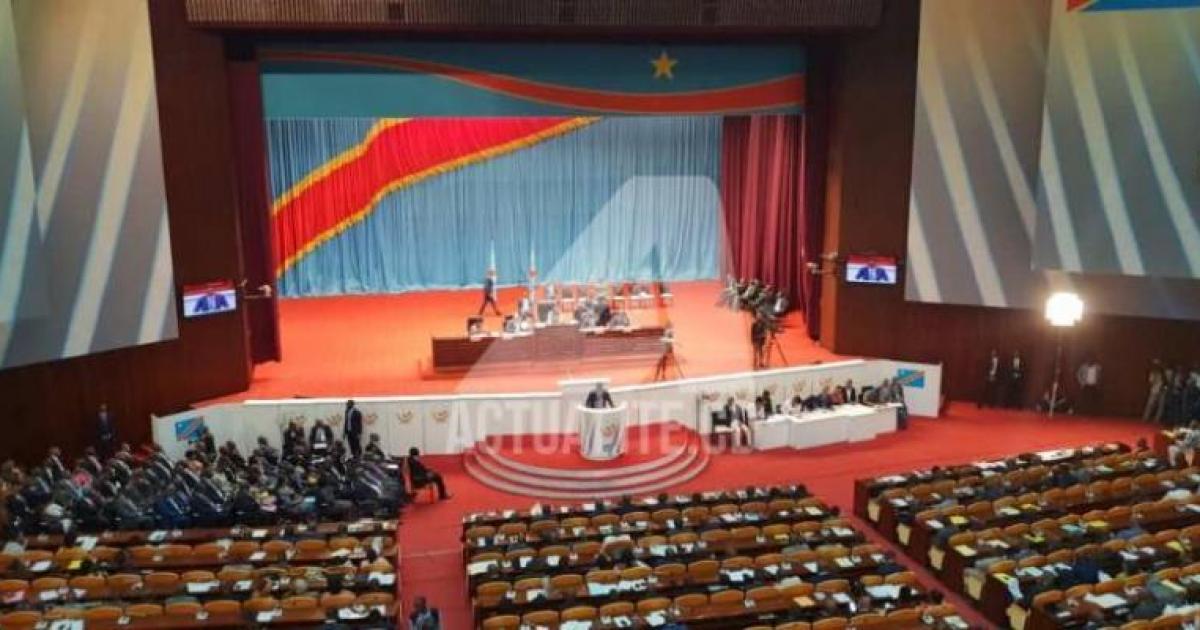
RDC Référendum: Assemblée Nationale Reprend Examen Ce Vendredi
Summary
- The National Assembly of the DRC will resume examining a bill on referendum conditions this Friday.
- This re-examination follows reservations expressed by the Constitutional Court regarding the proposed law.
- The bill was previously sent back to the Political, Administrative and Legal (PAJ) commission for new deliberation on September 21, 2026.
- The legislation aims to define the framework for organizing referendums in the Democratic Republic of Congo.
Legislative Review Resumes
The establishment of clear and unambiguous conditions for organizing a referendum is of paramount importance for the democratic health and stability of the DRC.
The National Assembly of the Democratic Republic of Congo is scheduled to recommence its review of a crucial legislative proposal this Friday. This particular bill is designed to establish the precise conditions under which a national referendum can be organized within the country. The resumption of this parliamentary work follows a directive from the Constitutional Court, which had previously expressed reservations regarding the initial draft of the legislation.
This renewed examination comes after the proposed law was initially referred back to the National Assembly's Political, Administrative and Legal (PAJ) commission. This referral occurred on Monday, September 21, 2026, with the explicit instruction for a new and thorough deliberation on its contents. The process underscores the rigorous legislative scrutiny applied to foundational legal texts in the DRC.
Constitutional Scrutiny
The involvement of the Constitutional Court in this legislative process highlights its crucial role in upholding the rule of law and constitutional integrity in the Democratic Republic of Congo. The Court's 'reservations' typically indicate that it has identified potential inconsistencies, ambiguities, or unconstitutional provisions within the proposed text. Such an intervention is a standard mechanism for ensuring that new laws align with the nation's supreme legal framework.
When the Constitutional Court raises concerns, it mandates a re-evaluation by the legislative body. This ensures that any law, particularly one as fundamental as defining the parameters for a national referendum, is robust, legally sound, and respects the constitutional rights and procedures. The PAJ commission's task now is to address these identified issues to bring the bill into full compliance with constitutional requirements before it can proceed further through the parliamentary stages.
Importance of Referendum Framework
The establishment of clear and unambiguous conditions for organizing a referendum is of paramount importance for the democratic health and stability of the DRC. Referendums are powerful tools of direct democracy, allowing citizens to directly decide on critical national issues, including constitutional amendments or significant policy changes. Without a well-defined legal framework, the integrity and legitimacy of such processes could be compromised, potentially leading to disputes and political instability.
The ongoing legislative effort, now under the scrutiny of both the National Assembly and the Constitutional Court, aims to create a transparent and equitable process for future referendums. This ensures that any popular consultation reflects the true will of the people and is conducted in accordance with established legal norms. The careful deliberation currently underway is therefore vital for safeguarding democratic principles and ensuring public trust in governmental processes.
Source
How does this affect you?
Get an AI analysis of this article grounded in your jurisdictions, practice areas, and any policy documents you've uploaded to Wansom.
Finish Reading the Full Story and the Expert Analysis.
Get the latest legal & regulatory intelligence in DR Congo
Wansom is AI and can make mistakes.