
RDC Assemblée Nationale: Priorise Proposition Loi Réformes Électorales
Summary
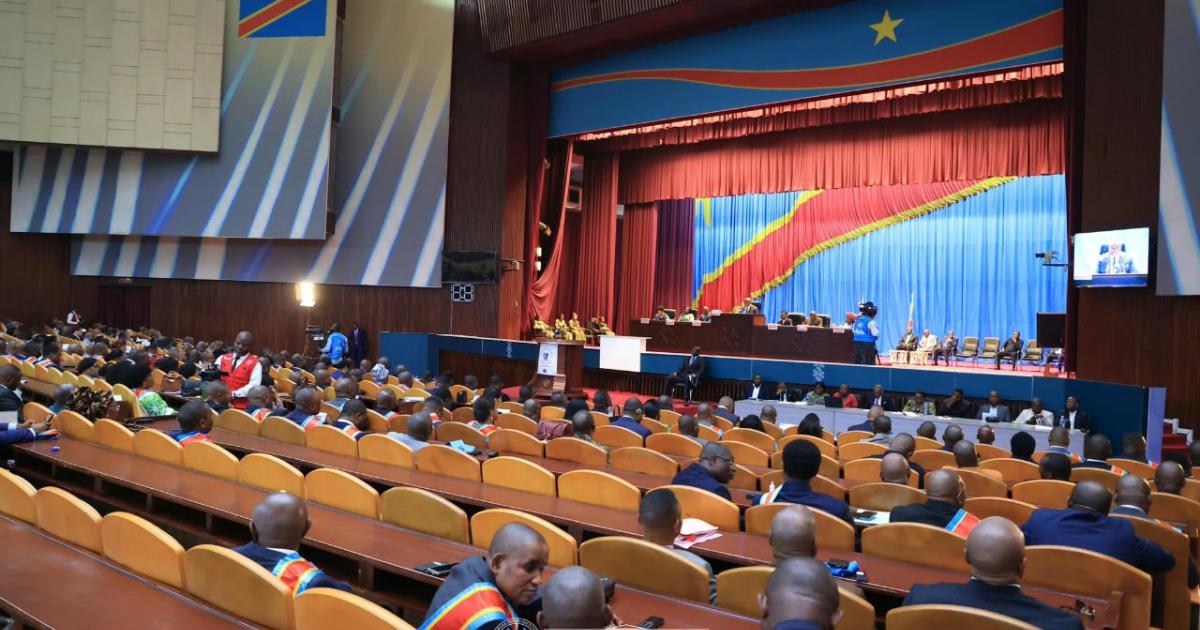
- The National Assembly of the Democratic Republic of Congo opened its ordinary September session on Tuesday, September 15, 2026.
- This legislative session commenced in accordance with Article 115 of the Constitution.
- A proposed law concerning referendums and electoral reforms has been designated as a priority for this legislative session.
- The prioritization of this bill signals its perceived importance for the nation's democratic processes.
Legislative Session Commences with Key Priorities
The decision by the RDC National Assembly to prioritize a proposed law on referendums and electoral reforms carries substantial implications for the nation's political future.
The National Assembly of the Democratic Republic of Congo (RDC) officially commenced its ordinary September session on Tuesday, September 15, 2026. This legislative convocation proceeded in strict adherence to the constitutional framework governing the nation's parliamentary activities, specifically as mandated by Article 115 of the Constitution. The opening of such a session marks a critical period for legislative review and action, setting the stage for significant policy discussions and potential legal enactments that can shape the country's governance for years to come.
A central item on the agenda, designated as a priority for the current session, is a proposed law (proposition de loi) focused on referendums and comprehensive electoral reforms. The inscription of this particular bill among the legislative body's primary concerns signals its perceived importance and the urgency with which it is expected to be addressed by the deputies. This prioritization indicates that the Assembly intends to dedicate substantial attention and resources to its examination and potential passage during the coming weeks, highlighting a focused legislative intent on these critical areas.
Legal Framework for Electoral and Referendum Reforms
The legislative process in the RDC is structured to allow for both government-initiated bills (projets de loi) and those proposed by members of parliament (propositions de loi). The bill now prioritized by the National Assembly falls into the latter category, originating from within the legislative body itself, underscoring the initiative taken by legislators on these matters. Its subject matter, encompassing both referendums and electoral reforms, touches upon fundamental aspects of the country's democratic governance and constitutional order, directly impacting the exercise of popular sovereignty.
Reforms to the electoral system can profoundly reshape how citizens participate in governance, influencing voter registration, campaign finance, the delineation of constituencies, and the overall conduct of elections. Similarly, legislation pertaining to referendums establishes the mechanisms through which the populace can directly vote on constitutional amendments or significant policy questions, thereby defining the scope of direct democracy. The constitutional mandate for the session, as stipulated by Article 115, underscores the formal and structured environment within which these crucial legal discussions are set to unfold, ensuring adherence to established legal norms for legislative proceedings and the legitimacy of any resulting legislation.
Implications for Democratic Governance in the RDC
The decision by the RDC National Assembly to prioritize a proposed law on referendums and electoral reforms carries substantial implications for the nation's political future. Any modifications to the electoral framework or the procedures for national referendums could significantly alter the landscape of political competition and citizen engagement, potentially impacting the balance of power and the representation of various political interests. Such reforms are often viewed as pivotal moments that can either strengthen democratic institutions by enhancing fairness and transparency or introduce new challenges to their stability and perceived legitimacy, depending on their content and implementation.
The focus on these specific areas suggests an ongoing effort to refine or redefine the operational parameters of democratic processes within the Congo, reflecting a legislative commitment to addressing these foundational aspects of governance. Given the critical nature of electoral laws and referendum provisions in any democratic state, their review and potential amendment by the legislative body warrant close observation from both domestic and international stakeholders. The progress of this bill through the September session will therefore be a key indicator of the direction of legal and political evolution in the Democratic Republic of Congo, shaping future electoral cycles and the exercise of direct democracy.
Practical Implications
Lawyers and compliance officers should closely monitor the progress of this bill through the DRC National Assembly. Its potential enactment could significantly alter the legal framework for elections and referendums in the DRC, impacting political stability and operational considerations for entities involved in or affected by the electoral process.
Source
Source: Original reporting from Kinshasa
How does this affect you?
Get an AI analysis of this article grounded in your jurisdictions, practice areas, and any policy documents you've uploaded to Wansom.
Finish Reading the Full Story and the Expert Analysis.
Get the latest legal & regulatory intelligence in DR Congo
Wansom is AI and can make mistakes.