
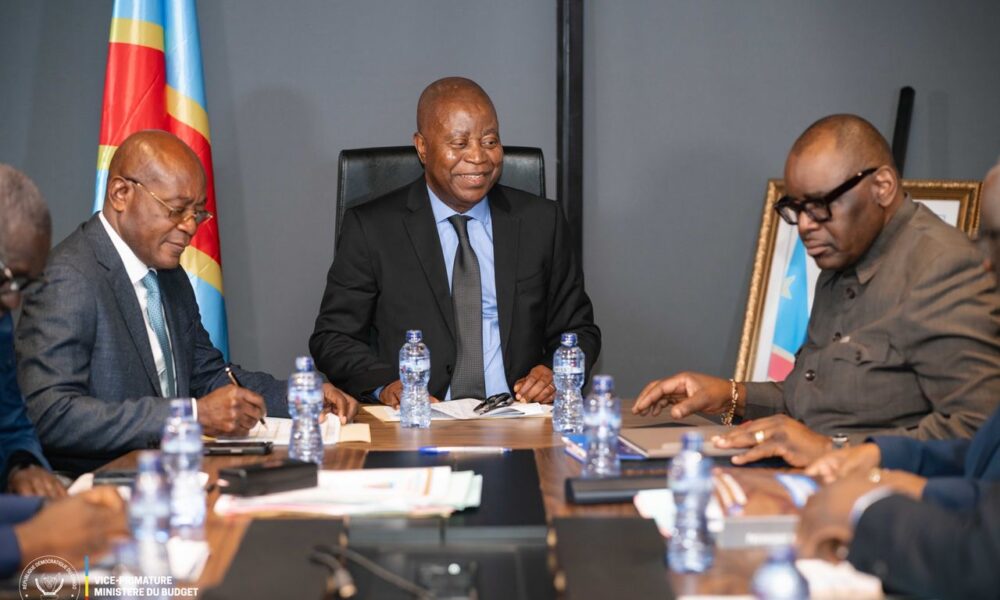
RDC Adolphe Muzito: Concludes Budget 2027 Arbitrations, Preps Finance Law
Summary
- Adolphe Muzito, the RDC's Vice-Prime Minister and Minister of Budget, concluded ministerial consultations on budget arbitrations on Friday, September 4, 2026.
- These consultations, which began two days prior, were a crucial step in preparing the draft finance law for the 2027 fiscal year.
- Minister Muzito was accompanied by Vice-Minister of Budget, Elysé, during these important discussions.
- The arbitrations focused on reconciling budgetary requests and allocating resources to shape the nation's financial framework for the upcoming year.
What Happened
The finalization of these budget arbitrations by Minister Adolphe Muzito is a critical development for the Democratic Republic of Congo's economic outlook for 2027.
Adolphe Muzito, who holds the dual portfolios of Vice-Prime Minister and Minister of Budget for the Democratic Republic of Congo (RDC), recently concluded a crucial series of ministerial consultations. These high-level discussions, centered on budget arbitrations, wrapped up on Friday, September 4, 2026, marking a significant step in the nation's financial planning.
The intensive two-day session, which commenced on Wednesday, September 2, 2026, saw Minister Muzito leading the proceedings. He was accompanied by Vice-Minister of Budget, Elysé, as they navigated the complex process of reconciling various budgetary requests and priorities from different government ministries. This phase is essential for shaping the country's economic direction and ensuring fiscal discipline.
The conclusion of these arbitrations is a pivotal moment in the ongoing preparation of the draft finance law. This legislative proposal is specifically designed to govern the state's expenditures and revenues for the upcoming 2027 fiscal year. The meticulous work undertaken during these consultations lays the groundwork for the comprehensive financial framework that will guide the RDC's public spending and revenue generation in the coming year.
Legal and Procedural Context
In the Democratic Republic of Congo, the process of developing the national budget is a multi-stage endeavor, with ministerial consultations and budget arbitrations forming a cornerstone. These arbitrations involve a detailed review and reconciliation of budgetary requests from various government departments against the backdrop of national economic projections and fiscal policy objectives. It is during this phase that difficult decisions are made regarding resource allocation, ensuring that the proposed spending aligns with the government's strategic priorities and available financial capacity.
The draft finance law, which is the ultimate output of this extensive process, is a pivotal legislative document. It outlines the government's projected revenues and authorized expenditures for a specific fiscal year, in this case, 2027. This law provides the legal framework for the collection of taxes and other state revenues, as well as the disbursement of funds for public services, infrastructure projects, and other governmental operations. Its meticulous elaboration is essential for transparent and accountable governance.
The involvement of the Vice-Prime Minister and Minister of Budget, Adolphe Muzito, along with the Vice-Minister of Budget, Elysé, underscores the high-level importance attributed to these discussions. Their leadership is crucial in navigating the complex demands of different ministries and ensuring that the final budgetary proposals are coherent, fiscally responsible, and reflective of the nation's development agenda. This structured approach is fundamental to maintaining economic stability and fostering sustainable growth within the RDC.
Why It Matters
The finalization of these budget arbitrations by Minister Adolphe Muzito is a critical development for the Democratic Republic of Congo's economic outlook for 2027. These decisions directly influence the scope and direction of public services, national development projects, and the overall financial health of the state. The outcomes of these consultations will dictate how resources are distributed across vital sectors such as education, healthcare, infrastructure, and security, impacting the daily lives of millions of citizens.
The draft finance law for the 2027 fiscal year, now closer to completion following these arbitrations, represents the government's commitment to a structured and predictable financial management system. A well-constructed budget is instrumental in attracting investment, maintaining donor confidence, and ensuring the efficient use of public funds. The thoroughness of the arbitration process is therefore paramount to establishing a credible and implementable financial plan for the nation.
Ultimately, the successful conclusion of these RDC Adolphe Muzito budget 2027 arbitrations paves the way for the formal presentation and eventual adoption of the finance law. This legislative act is not merely an administrative formality but a foundational document that underpins the government's ability to execute its mandate, deliver on its promises, and steer the country towards its developmental goals in the coming year. The meticulous work performed during these consultations sets the stage for the economic trajectory of the Democratic Republic of Congo.
Source
Source: Original reporting
How does this affect you?
Get an AI analysis of this article grounded in your jurisdictions, practice areas, and any policy documents you've uploaded to Wansom.
Finish Reading the Full Story and the Expert Analysis.
Wansom is AI and can make mistakes.