
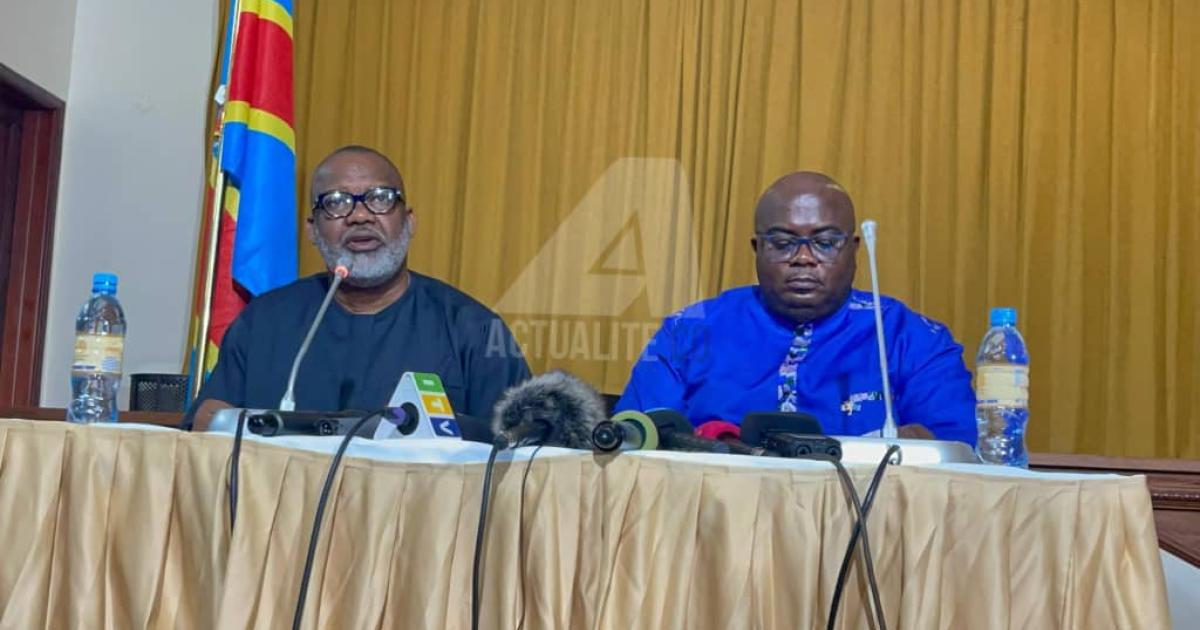
AFC/M23: Justice Appointments Establish Parallel DRC System
Summary
- The AFC/M23 rebellion is continuing to establish a parallel judicial system in areas it controls in North and South Kivu.
- This includes appointing a team to lead a new "department of justice and human rights" under the rebel group's authority.
- Kinshasa authorities firmly oppose these judicial reforms, asserting they are against the state's will.
- The creation of this rebel-controlled justice system creates significant legal uncertainty and challenges state sovereignty in the DRC.
Rebel Group Establishes Parallel Justice System
Lawyers must critically assess the potential for human rights violations and the absence of established legal recourse when advising on operations or interactions within these contested zones.
The AFC/M23 rebellion is actively pursuing the establishment of a parallel judicial system within the territories it controls across North Kivu and South Kivu in the Democratic Republic of Congo. Recent developments indicate that the group is continuing its efforts to reorganize the judicial apparatus in these contested eastern regions. This initiative includes the specific appointment of a dedicated team tasked with leading a newly formed "department of justice and human rights" under the rebellion's authority.
These ongoing AFC/M23 justice appointments DRC represent a direct challenge to the central government in Kinshasa. Authorities in the capital have expressed firm opposition to these purported "reforms," making it clear that the rebellion's actions are proceeding entirely against the will of the legitimate state. The establishment of an AFC/M23 justice department North Kivu and South Kivu signifies a deliberate move by the rebel group to solidify its administrative control and project an image of governance, despite lacking international or national recognition.
Legal and Political Context
The creation of a distinct judicial framework by a non-state armed group like AFC/M23 introduces profound complexities for the rule of law and state sovereignty in the Democratic Republic of Congo. Kinshasa's strong opposition stems from the fundamental principle that only the sovereign state possesses the legitimate authority to administer justice and uphold human rights within its borders. The M23 judicial reforms Congo, therefore, are not merely administrative changes but are perceived as an attempt to usurp governmental functions and undermine the integrity of the national legal system.
This ongoing power struggle over judicial authority creates a deeply fractured legal landscape, particularly in the volatile eastern provinces. For residents and entities operating in areas under AFC/M23 control, the existence of a parallel justice system raises significant questions about jurisdictional validity and the enforceability of legal decisions. The Kinshasa M23 judicial opposition highlights the profound political and legal schism, where two competing claims to legitimate authority clash, leaving a vacuum of clear legal certainty.
Implications for Jurisdictional Validity and Enforcement
For legal professionals advising clients with interests in the DRC's North and South Kivu, the AFC/M23's parallel justice system presents a complex web of challenges. The establishment of an AFC/M23 justice department North Kivu, complete with its own appointed team, directly impacts the jurisdictional validity of any legal proceedings or contractual agreements within these territories. Decisions rendered by this rebel-controlled apparatus would likely lack recognition by the internationally recognized government in Kinshasa, creating a significant risk of non-enforcement outside the immediate areas of AFC/M23 control.
Furthermore, the implications extend to human rights compliance. While the rebel group purports to establish a "department of justice and human rights," the standards and mechanisms for ensuring due process, fair trial, and protection against abuses under such a system remain highly questionable. Lawyers must critically assess the potential for human rights violations and the absence of established legal recourse when advising on operations or interactions within these contested zones. The presence of DRC rebel judicial appointments fundamentally alters the legal risk profile for any entity operating in these regions, demanding heightened vigilance regarding legal enforcement and adherence to international norms.
Why It Matters
The continued efforts by the AFC/M23 rebellion to implement its judicial reforms, despite Kinshasa's firm opposition, underscore the persistent challenges to state authority and stability in the eastern DRC. These actions not only deepen the political crisis but also create an environment of profound legal uncertainty that directly impacts the lives of civilians and the operations of any organization or business in North and South Kivu. The establishment of a parallel justice system, even if rudimentary, signifies a dangerous precedent for governance and the rule of law in conflict-affected areas.
The ongoing AFC/M23 justice appointments DRC demand close monitoring by legal and business communities. The dual legal frameworks — one legitimate and internationally recognized, the other imposed by an armed group — introduce an unacceptable level of risk regarding property rights, contractual obligations, and personal security. Navigating this complex environment requires a sophisticated understanding of both the political realities on the ground and the potential legal ramifications, emphasizing the critical need for counsel to assess jurisdictional validity, enforcement prospects, and human rights compliance when engaging with these contested territories.
Practical Implications
Lawyers advising clients with interests in DRC's North and South Kivu must monitor the implications of AFC/M23's parallel justice system for jurisdictional validity, legal enforcement, and human rights compliance. This creates significant legal uncertainty and risk for operations in these contested territories.
Source
How does this affect your business?
Get an AI analysis of this article grounded in your jurisdictions, practice areas, and any policy documents you've uploaded to Wansom.
Wansom is AI and can make mistakes.