
DRC: RDC Kenge Crash Spurs Aviation Infrastructure Scrutiny
Summary
- A fatal air crash in Kenge, Kwango province, resulted in 17 deaths, including two high-ranking military magistrates.
- The TRACEP aircraft experienced an in-flight breakdown and lost communication before crashing into a residential area.
- The incident has highlighted severe deficiencies in Congolese airport infrastructure, including the lack of an operational airfield in Kenge due to land repurposing.
- Investigations are underway, with calls for accountability from aviation authorities and a judicial inquiry ordered by the Minister of Justice.
- Questions have been raised about tax exemptions for used aircraft and discrepancies in official travel protocols for the delegation.
The Kenge Air Disaster and Immediate Aftermath
A particularly stark revelation emerged regarding Kenge itself: the town lacks an operational airfield.
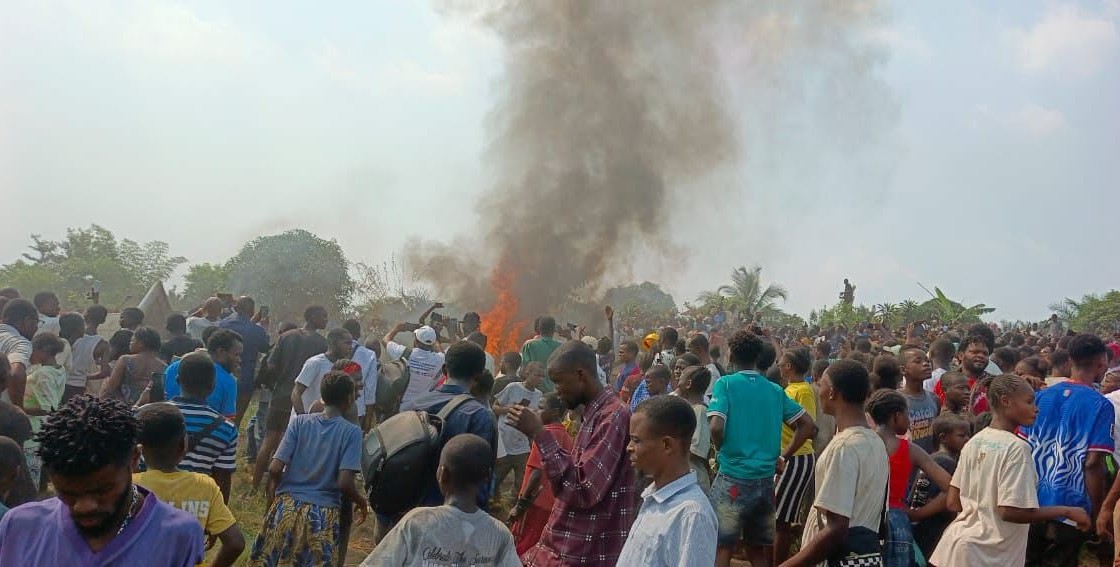
The Democratic Republic of Congo is grappling with the aftermath of a fatal air crash that occurred on a Friday in Kenge, located within Kwango province. The incident, which dominated Congolese headlines on Monday, September 28, resulted in the tragic loss of 17 lives. Among the deceased were two high-ranking military magistrates, underscoring the significant impact of the disaster. The ill-fated flight, operated by TRACEP, departed from Kikwit. Reports indicate that the aircraft experienced an in-flight breakdown, leading to a loss of communication with the air traffic control tower in Kinshasa. Before its final descent, the plane reportedly circled Kenge multiple times. It ultimately crashed into a residential plot in the Manzau neighborhood, where a fire subsequently broke out.
In response to the tragedy, the government promptly announced several measures, including the lowering of flags to half-mast as a sign of national mourning. Crucially, authorities also initiated multiple investigations to ascertain the full circumstances surrounding the RDC Kenge crash. These inquiries are expected to delve into various aspects, including the specific conditions of the flight, the broader regulatory framework governing air travel, and the identification of responsible parties. The immediate focus remains on understanding the precise sequence of events that led to this devastating aviation incident.
Deepening Concerns Over Aviation Infrastructure
Beyond the immediate specifics of the Kenge plane crash, the incident has reignited a broader national debate concerning the state of aviation infrastructure across the Democratic Republic of Congo. Media outlets highlighted a troubling pattern of numerous air accidents over the past two decades, directly linking these occurrences to deficiencies in the country's aeronautical facilities. Critical issues identified include the poor condition of airport platforms, a notable absence of essential control radars, and an insufficient number of automated meteorological stations, all of which are vital for safe air operations.
A particularly stark revelation emerged regarding Kenge itself: the town lacks an operational airfield. An former Minister of Public Works, Kimbembe Mazunga, recalled that Kenge once possessed a 900-meter dirt runway. However, this crucial piece of Congolese airport infrastructure was reportedly subdivided and repurposed for residential development. This transformation underscores significant challenges in land management practices surrounding former aviation sites, raising questions about the long-term planning and preservation of facilities critical for regional connectivity and safety. The loss of such infrastructure contributes to the difficulties faced by air transport in the region.
Regulatory Scrutiny and Travel Protocol Questions
The Kenge crash has also brought into sharp focus specific regulatory aspects and internal travel protocols. One area of concern highlighted by media reports is the fiscal regime applied to used aircraft. The Investment Code currently provides for tax exemptions for certain second-hand aircraft, a provision that some argue warrants re-examination within the context of DRC aviation safety regulation. This suggests a potential link between financial incentives for older aircraft and overall safety standards, prompting calls for a review of these policies to ensure they do not inadvertently compromise airworthiness.
Furthermore, discrepancies in the travel arrangements for the delegation involved in the crash have raised questions. While the official mission order stipulated ground travel, members of the delegation ultimately utilized the TRACEP aircraft. This divergence from protocol has prompted inquiries into the available transportation options for senior officials, particularly in light of a query from Kimbembe Mazunga regarding the fate of two aircraft reportedly provided to the army in June 2025 for the mobility of high-ranking officers. These elements suggest a need for greater transparency and adherence to established travel guidelines.
Calls for Accountability and Judicial Inquiry
In the wake of the Kenge plane crash, there has been a strong push for accountability and thorough investigation from various levels of government and political opposition. The Minister of Justice has formally ordered a judicial inquiry, tasked with meticulously establishing all facts, circumstances, and underlying causes of the disaster. This move aligns with President Félix Tshisekedi's demand for a rigorous and independent investigation into the tragic events.
Politically, the Vice-Prime Minister in charge of Transport, Jean-Pierre Bemba, has publicly called for explanations from both the Civil Aviation Authority and the Airway Management agency, signaling a demand for institutional responsibility. Opposition figure Claudel Lubaya has also voiced criticism regarding the authorities' communication strategy following the accident and has questioned the political accountability surrounding the incident. These collective calls underscore the gravity of the situation and the widespread expectation for comprehensive answers and potential reforms to enhance DRC aviation safety regulation.
Practical Implications
Lawyers specializing in aviation law or corporate compliance in the DRC should closely monitor the ongoing judicial inquiry into the Kenge crash for potential regulatory changes, liability findings, and increased scrutiny on aviation safety standards and infrastructure. This includes reviewing fiscal exemptions for used aircraft and land management practices around airfields, which may impact clients in the transport and real estate sectors.
Source
How does this affect you?
Get an AI analysis of this article grounded in your jurisdictions, practice areas, and any policy documents you've uploaded to Wansom.
Finish Reading the Full Story and the Expert Analysis.
Get the latest legal & regulatory intelligence in DR Congo
Wansom is AI and can make mistakes.