
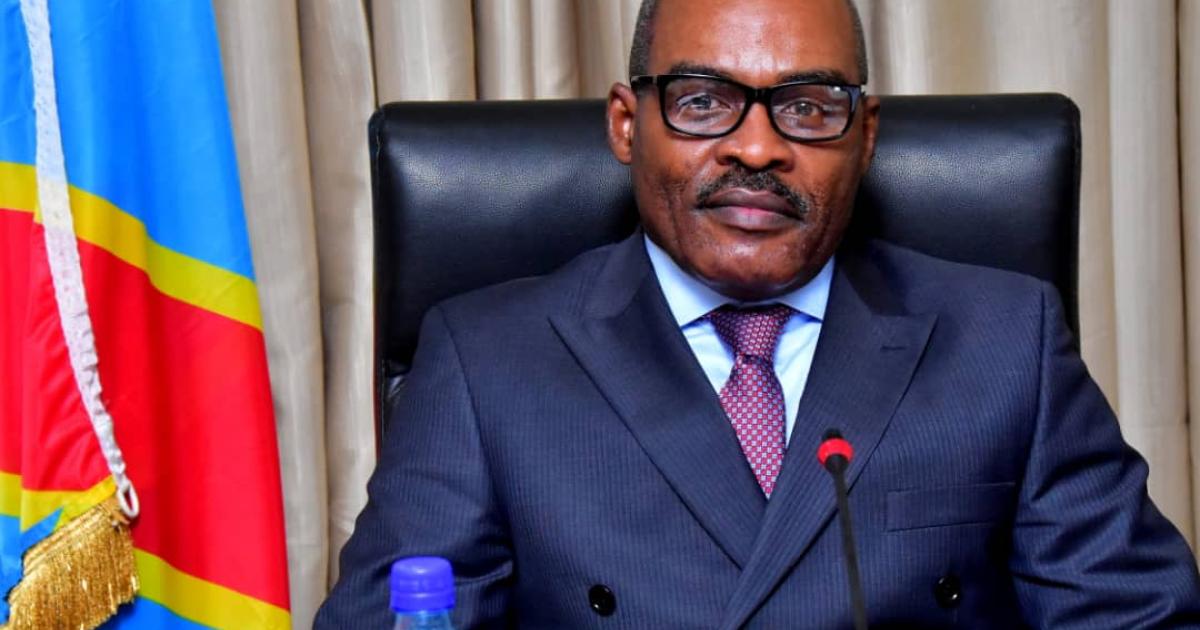
Nicolas Kazadi: RDC Déclaration Fiscale Obligatoire His Top Reform
Summary
- Former DRC Finance Minister Nicolas Kazadi identified the mandatory tax declaration as his most structuring reform.
- This reform specifically concerns the individual income tax, known as impôt sur le revenu des personnes physiques.
- The initiative introduces an annual declaration obligation for individuals.
- Kazadi made these remarks during a 'Space live' event organized by Stanis Bujakera Tshiamala on a Wednesday.
- The statement was publicly reported on September 3, 2026.
Former Minister Highlights Key Fiscal Reform
The introduction of a universal annual declaration obligation seeks to address these systemic issues head-on.
Nicolas Kazadi, who previously served as the Democratic Republic of Congo's Minister of Finance, recently underscored what he considers his most impactful policy achievement during his tenure. Speaking as a guest on the 'Space live' program, an event hosted by Stanis Bujakera Tshiamala on a Wednesday, Kazadi specifically pointed to the implementation of the mandatory tax declaration as his most structuring reform. This initiative, central to the nation's fiscal framework, represents a significant shift in how individual financial obligations are managed within the country.
The former minister's remarks, made public on September 3, 2026, emphasized the foundational nature of this particular change. He articulated that among the various reforms undertaken, the introduction of a compulsory annual declaration for individual income tax stands out due to its far-reaching implications for the state's financial architecture. This statement positions the RDC déclaration fiscale obligatoire Kazadi as a cornerstone of modern fiscal policy in the DRC, aiming to streamline and formalize tax collection processes for individuals across the economic spectrum.
Understanding the Mandatory Declaration
The reform championed by Nicolas Kazadi specifically targets the impôt sur le revenu des personnes physiques RDC, or individual income tax. This measure mandates that all eligible individuals annually declare their income, a requirement designed to enhance transparency and compliance within the national tax system. Historically, tax collection in many developing economies, including the Congo, has faced challenges related to informal sectors and difficulties in accurately assessing individual earnings. The introduction of a universal annual declaration obligation seeks to address these systemic issues head-on.
This shift towards a mandatory annual declaration for personal income is more than just an administrative adjustment; it represents a strategic effort to broaden the tax base and ensure equitable contributions from all citizens. By requiring individuals to formally report their earnings, the government aims to gain a clearer picture of the national income landscape, thereby improving its capacity for revenue forecasting and collection. This move is a critical component of the broader fiscalité RDC strategy, intended to foster a more robust and predictable financial environment for the state.
Implications for DRC's Fiscal Landscape
The designation of the mandatory tax declaration as the 'most structuring reform' by former Minister Kazadi highlights its profound potential impact on the Democratic Republic of Congo's economic governance. A structuring reform implies a fundamental change to the underlying framework of a system, rather than merely superficial adjustments. In this context, the DRC mandatory tax declaration is envisioned as a mechanism to instill greater discipline and accountability in personal finance, ultimately contributing to the nation's overall fiscal health.
Such a reform, particularly one focusing on individual income tax, can lead to increased state revenues, which are vital for funding public services and infrastructure projects. Furthermore, it promotes a culture of compliance among taxpayers, reducing opportunities for evasion and fostering a more equitable distribution of the tax burden. The Nicolas Kazadi fiscal reform, therefore, is not just about collecting more money; it is about building a more transparent, efficient, and sustainable tax system that can support the long-term development goals of the Congo.
Practical Implications
Lawyers and compliance officers in the DRC should note this emphasis on the mandatory individual income tax declaration, as it signals a continued focus on fiscal compliance for individuals. This highlights the need to advise clients on their obligations and potential liabilities related to personal income tax filings.
Source
Source: Original reporting via {source}
How does this affect you?
Get an AI analysis of this article grounded in your jurisdictions, practice areas, and any policy documents you've uploaded to Wansom.
Finish Reading the Full Story and the Expert Analysis.
Wansom is AI and can make mistakes.