
RDC: Création Banque Publique Habitat Announced For Housing Finance
Summary
- The Congolese Government plans to establish a new public housing bank.
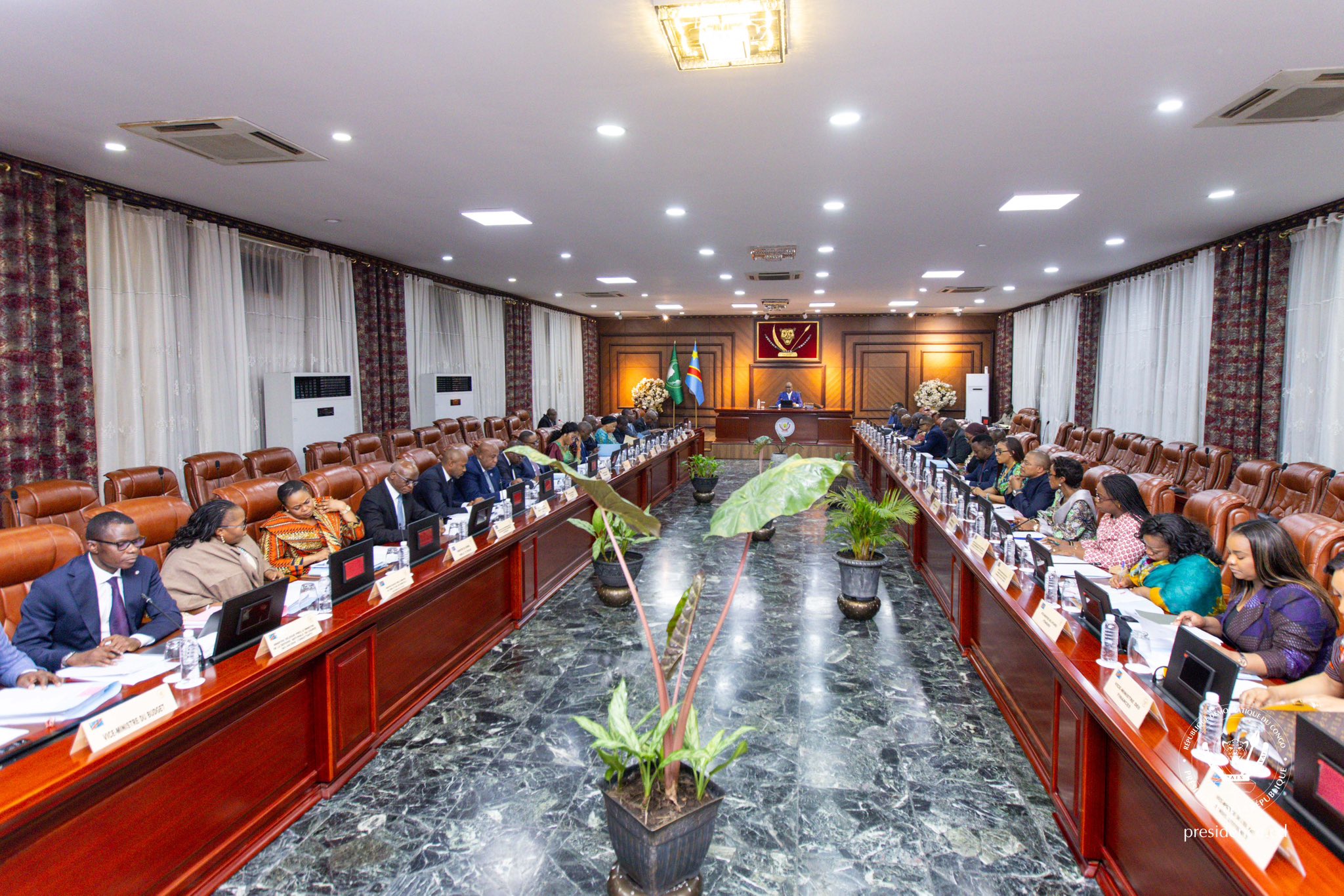
- Prime Minister Judith Suminwa announced the initiative during a Council of Ministers meeting on Friday, August 28, in Kinshasa.
- The bank's core objectives include strengthening housing sector financing and securing social housing programs.
- It also aims to contribute to the nation's sustainable economic growth.
- Government spokesperson Patrick Muyaya provided additional details regarding the proposed institution.
What Happened
The impending establishment of the `Banque publique de l'habitat RDC` carries significant implications for the legal and regulatory landscape governing `Droit immobilier RDC`.
The government of the Democratic Republic of Congo has announced plans for the establishment of a new public housing bank. This initiative aims to significantly bolster financing within the housing sector, ensure the stability and success of social housing programs, and contribute to the nation's sustainable economic growth. The announcement was formally made by Prime Minister Judith Suminwa during a Council of Ministers meeting.
The high-level discussion took place on Friday, August 28, in Kinshasa, the capital city. Following the Prime Minister's declaration, government spokesperson Patrick Muyaya provided additional details regarding the proposed institution. This strategic move underscores the Congolese administration's commitment to addressing critical housing needs and stimulating development through dedicated financial infrastructure.
Strategic Objectives and Economic Impact
The primary objectives articulated for the `RDC création Banque publique habitat` are multifaceted, targeting key areas of national development. By focusing on strengthening sector financing, the new institution is expected to introduce more accessible and tailored financial products, thereby encouraging greater investment in both residential and commercial real estate projects across the country. This could involve offering long-term loans, guarantees, or other financial instruments designed to mitigate risks for developers and attract capital, including `Investissement logement RDC`.
Furthermore, the bank's mandate to secure social housing programs highlights a commitment to addressing the housing deficit for lower-income populations. This involves ensuring the financial viability and continuity of projects aimed at providing affordable and adequate housing, a critical component of social welfare and stability. Such a dedicated focus on `Financement logement social RDC` is anticipated to streamline funding pathways and reduce the dependency on less stable or less accessible private financing options, ultimately supporting broader sustainable growth by creating jobs, stimulating local economies, and improving living conditions for citizens.
Legal and Regulatory Outlook
The impending establishment of the `Banque publique de l'habitat RDC` carries significant implications for the legal and regulatory landscape governing `Droit immobilier RDC`. Legal professionals advising on real estate development and finance in the Democratic Republic of Congo will need to closely monitor the legislative processes involved in creating this new entity, as well as the operational frameworks it will introduce. The bank is poised to become a central player in the housing finance ecosystem, potentially influencing lending standards, collateral requirements, and the overall regulatory environment for property transactions and development projects.
The introduction of new financing mechanisms and potential subsidies or incentives for social housing initiatives will necessitate a thorough understanding of the evolving legal requirements for project eligibility, compliance, and risk management. Lawyers will be crucial in guiding clients through these new frameworks, ensuring adherence to the bank's specific criteria and navigating any changes to existing property laws or investment regulations. This development signals a transformative period for the DRC's housing sector, demanding proactive engagement from legal practitioners to adapt to the new institutional and financial realities.
Practical Implications
Lawyers advising on real estate development or finance in the DRC should closely monitor the legislative and operational establishment of this public housing bank, as it is expected to introduce new financing mechanisms and regulatory frameworks that will impact social housing projects and related investments.
Source
How does this affect you?
Get an AI analysis of this article grounded in your jurisdictions, practice areas, and any policy documents you've uploaded to Wansom.
Finish Reading the Full Story and the Expert Analysis.
Wansom is AI and can make mistakes.